Syrian Arabic Ways to Say “I Miss You” Like a Native (Real Expressions)
One of the most interesting things about Syrian Arabic expressions is that people rarely say things in a direct or literal way.
So instead of clearly saying “I miss you,” you’ll often hear emotional and natural Syrian Arabic phrases that are used in everyday conversations.
This is one of the key differences when you start learning spoken Syrian Arabic compared to Modern Standard Arabic or textbook Arabic.
Instead of one fixed translation of “I miss you in Arabic,” you will hear many variations depending on tone, context, and relationship.
This is what makes Arabic dialect expressions so rich, emotional, and real.
At Speak Real Arabic, we believe learning Arabic should go beyond grammar and textbooks. Real language lives in conversations, emotions, and the way people interact in everyday life
Syrian Arabic Ways to Say “I Miss You” Like a Native (Real Expressions)
💔Why Syrians Don’t Always Say “I Miss You” Directly
💜 1. “إلك وحشة” — You are missed
🤔 2. “وين غاطط؟” — Where have you been hiding?
⏳ 3. “طوّلت الغيبة” — You were gone for too long
😄 4. “رحت وقلت عدولي” — You disappeared completely
💬 5. “فقدنالك” — We missed you
💬6. “من زمان هالقمر ما بان” — It’s been a long time since this “moon” appeared
💡 Why These Syrian Arabic Expressions Matter
💔Why Syrians Don’t Always Say “I Miss You” Directly
In English or formal Arabic, people often say:
⭐ “I miss you”
But in real spoken Syrian Arabic, emotional communication is usually indirect, natural, and full of personality.
That’s why learners searching for how to say I miss you in Arabic often get confused, because there isn’t just one correct answer.
Instead, Syrian Arabic uses:
informal Arabic expressions
emotional Arabic expressions
everyday Arabic phrases
real-life Arabic conversation styles
Levantine Arabic expressions
So meaning is not only in the words, but also in tone, relationship, and context.
This is a core part of Syrian dialect phrases that makes the language feel alive.
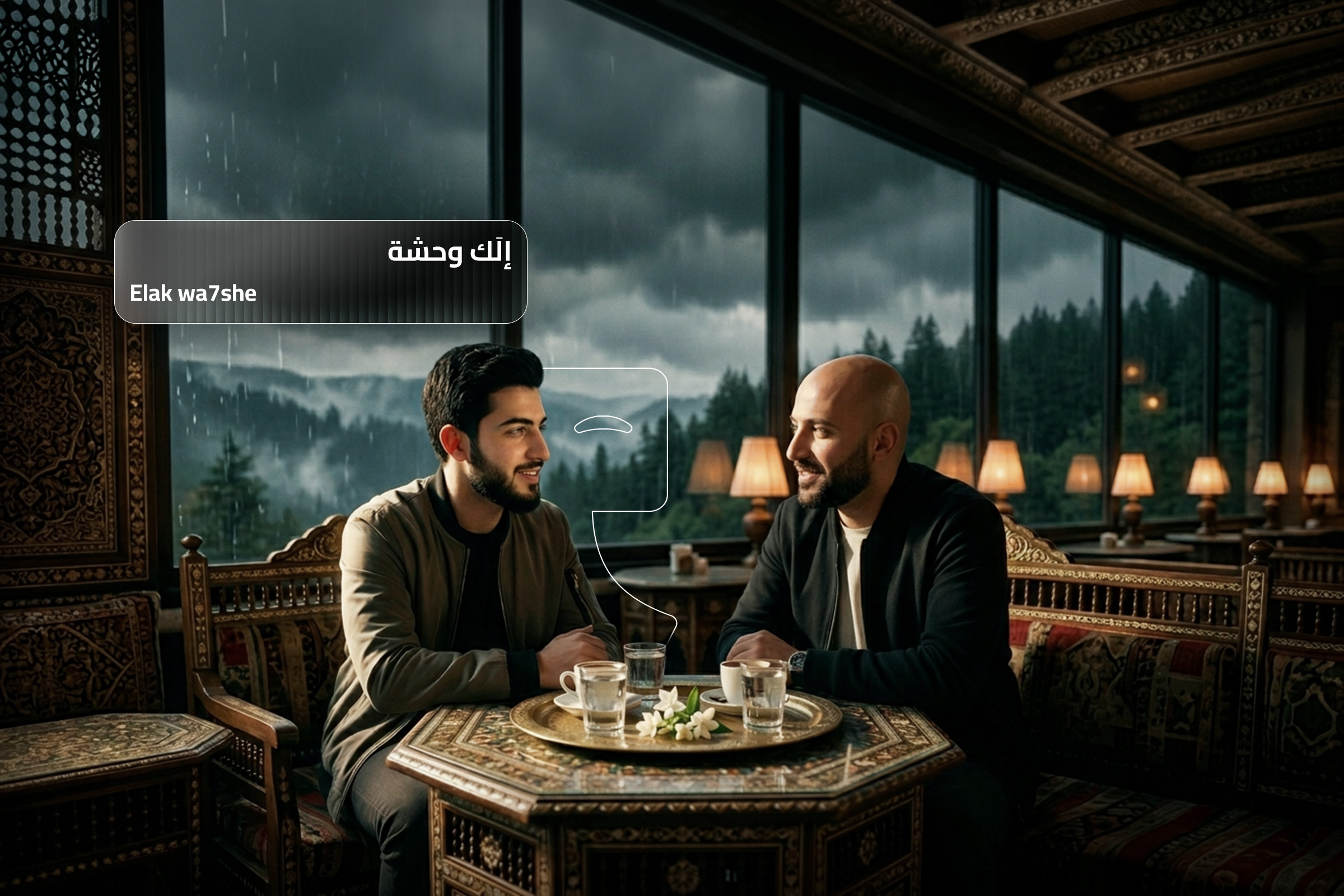
💜 1. “إلك وحشة” — You are missed
⭐ “إلك وحشة”
Literally:
“You have absence”
But in real meaning:
👉 “I miss you” / “You are missed”
This is one of the most common Syrian Arabic phrases used in daily life.
It’s warm, emotional, and works in many situations — with friends, family, or people you care about.
💬 Example:
— كيفك؟ زمان ما شفناك
— والله إلك وحشة
👉 “How are you? It’s been a long time since we saw you.”
👉 “Honestly, I miss you.”
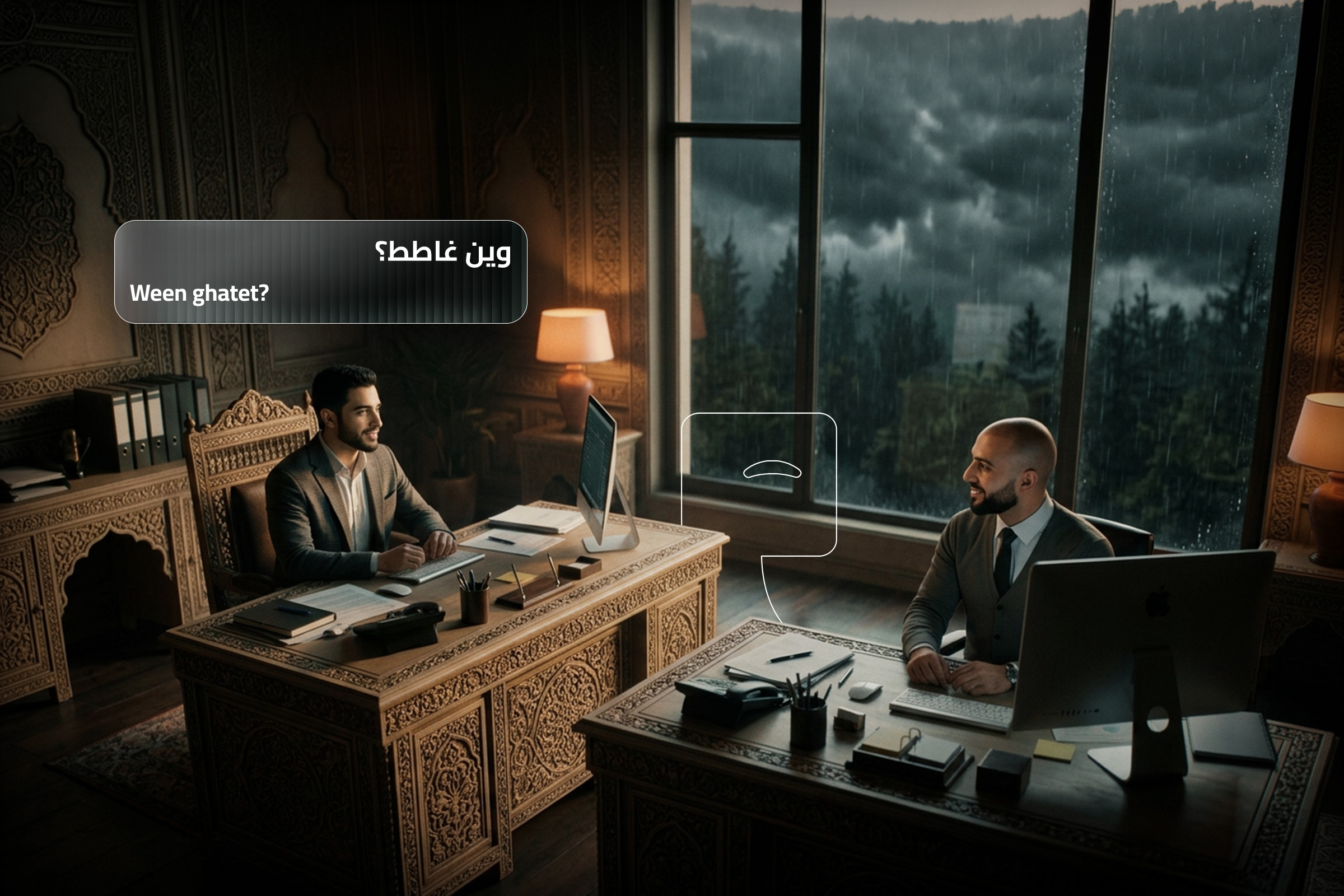
🤔 2. “وين غاطط؟” — Where have you been hiding?
⭐ “وين غاطط؟”
This is a very informal and natural Syrian Arabic expression.
Literally:
“Where are you sunk / hiding?”
But it means:
👉 “Where have you been?”
👉 “You disappeared!”
👉 “We haven’t seen you at all”
This is often used in friendly conversations and carries emotional warmth with humor.
💬 Example:
— وين غاطط كل هالوقت؟ اشتقنالك!
— Where have you been all this time? We missed you!
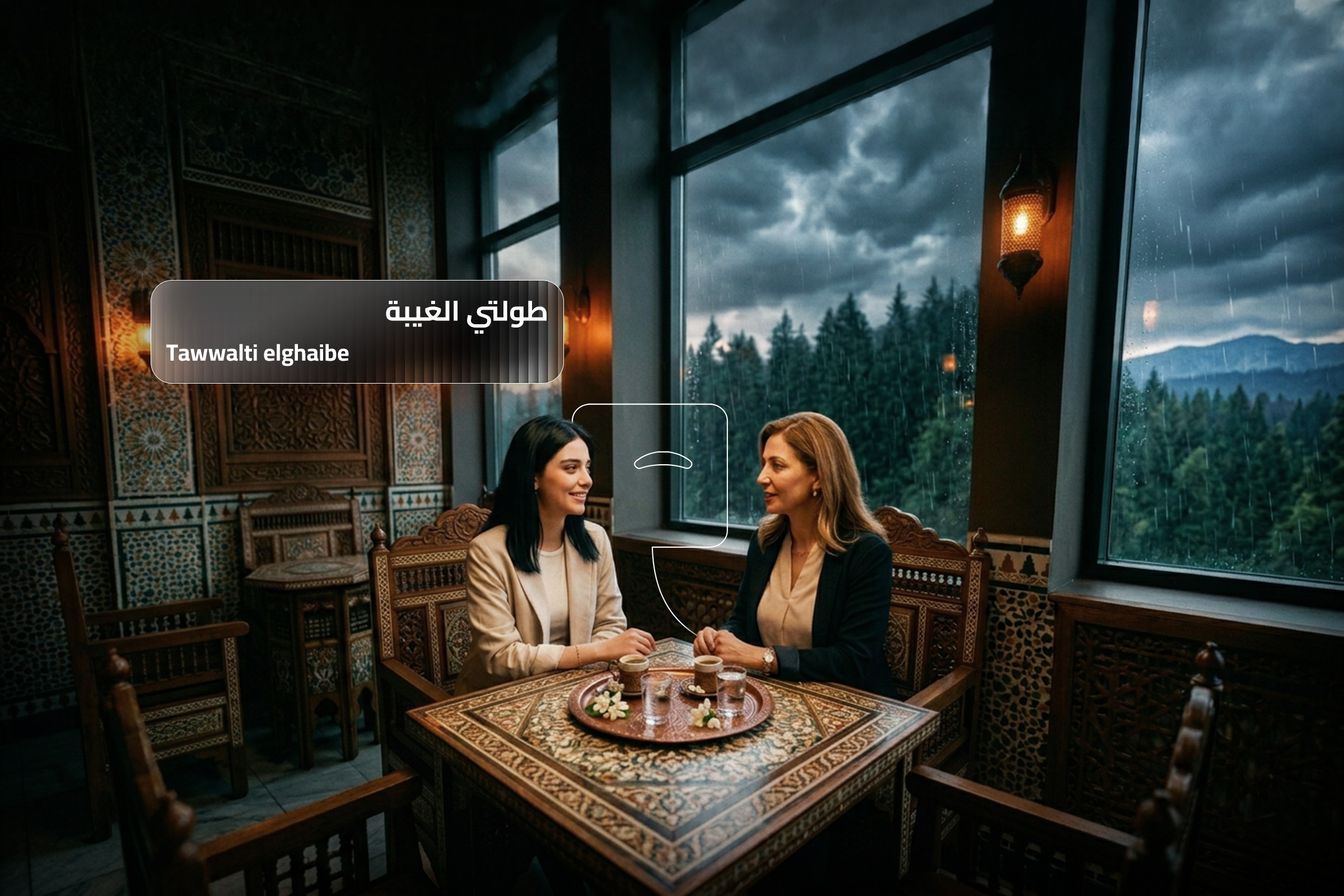
⏳ 3. “طوّلت الغيبة” — You were gone for too long
⭐ “طوّلت الغيبة”
Literally:
“You made the absence long”
Meaning:
👉 “It’s been too long since we saw you”
This is a very common spoken Syrian Arabic phrase used in both formal and informal settings.
It works in greetings, family visits, and friendly meetings.
💬 Example:
— أهلاً! طوّلت الغيبة والله
— Welcome! It’s been a long time!
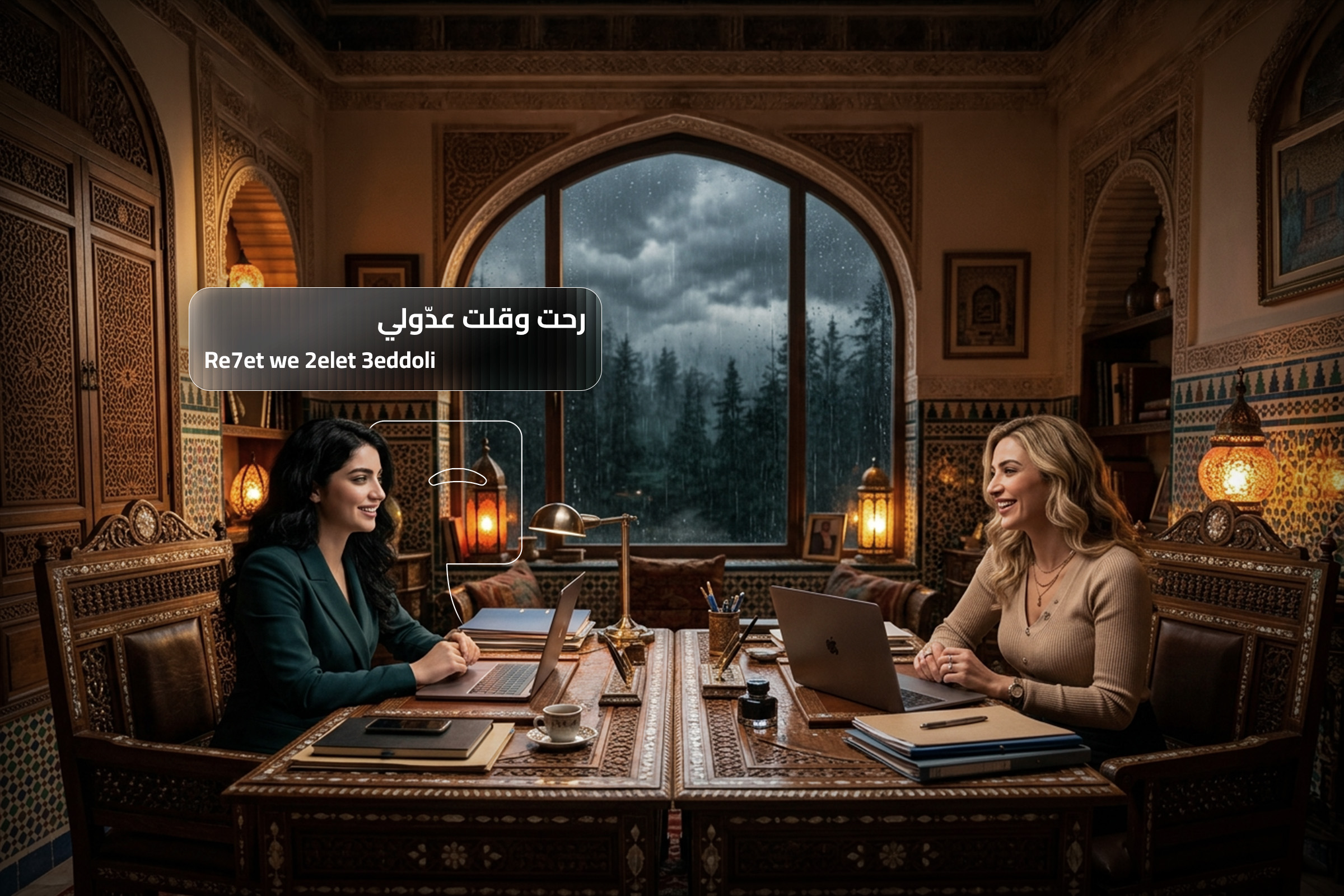
😄 4. “رحت وقلت عدولي” — You disappeared completely
⭐ “رحت وقلت عدولي”
This is a strong emotional Arabic dialect expression.
It means:
👉 “You left and completely disappeared”
👉 “You didn’t leave any trace behind”
It is usually said in a joking or emotional tone between close friends.
💬 Example:
— رحت وقلت عدولي! ما عاد شفناك
— You disappeared completely! We haven’t seen you at all.
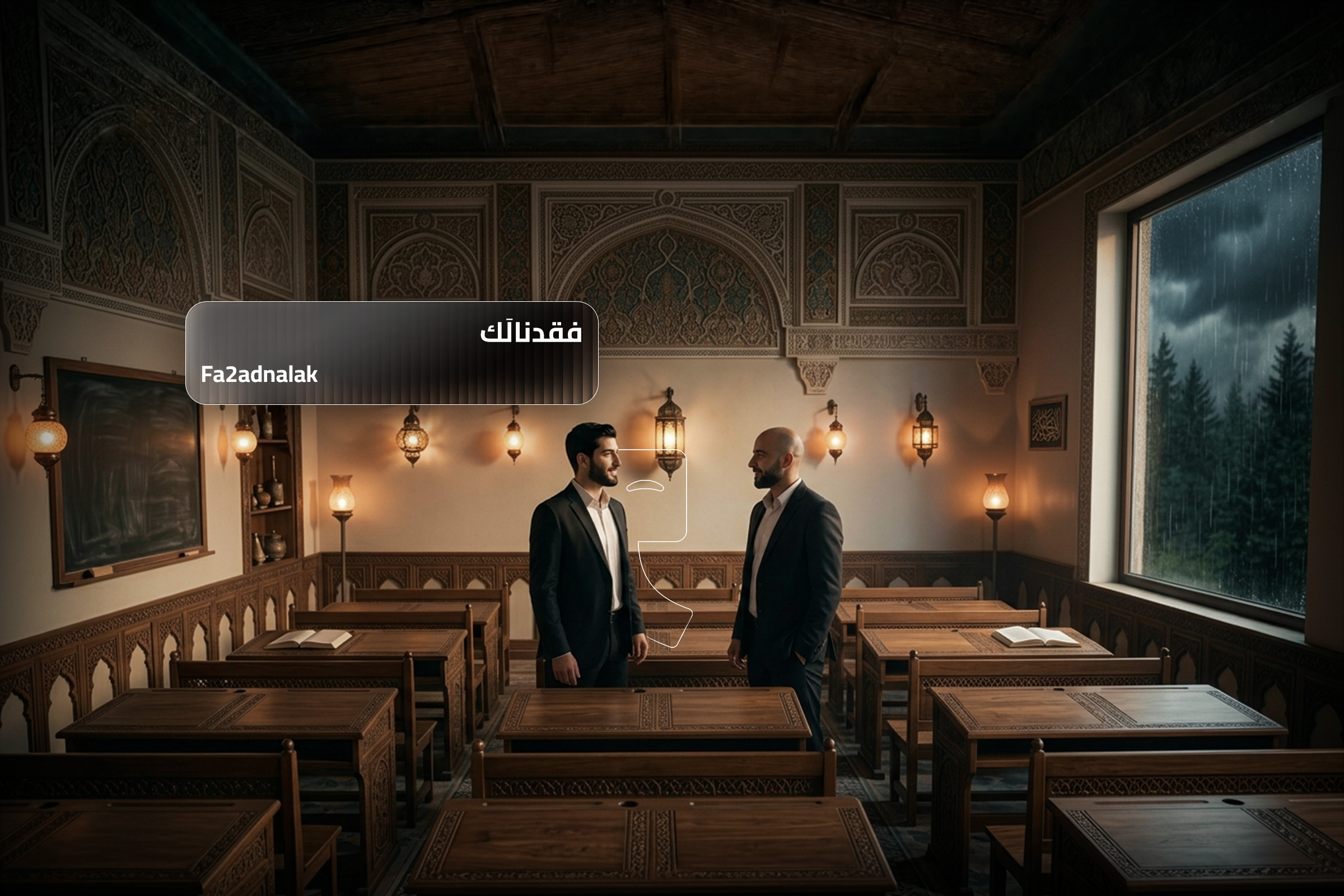
💬 5. “فقدنالك” — We missed you
⭐ “فقدنالك”
This is another way to say:
👉 “We missed you” in Syrian Arabic (dialect)
It sounds a bit more direct and emotional than some playful expressions, but it is still natural and used in spoken conversation depending on the speaker and context.
It is often used when someone has been absent for a long time and people want to express that their presence was truly missed.
💬 Example:
— أهلًا فيك! فقدنالك والله
— Welcome! We really missed you.
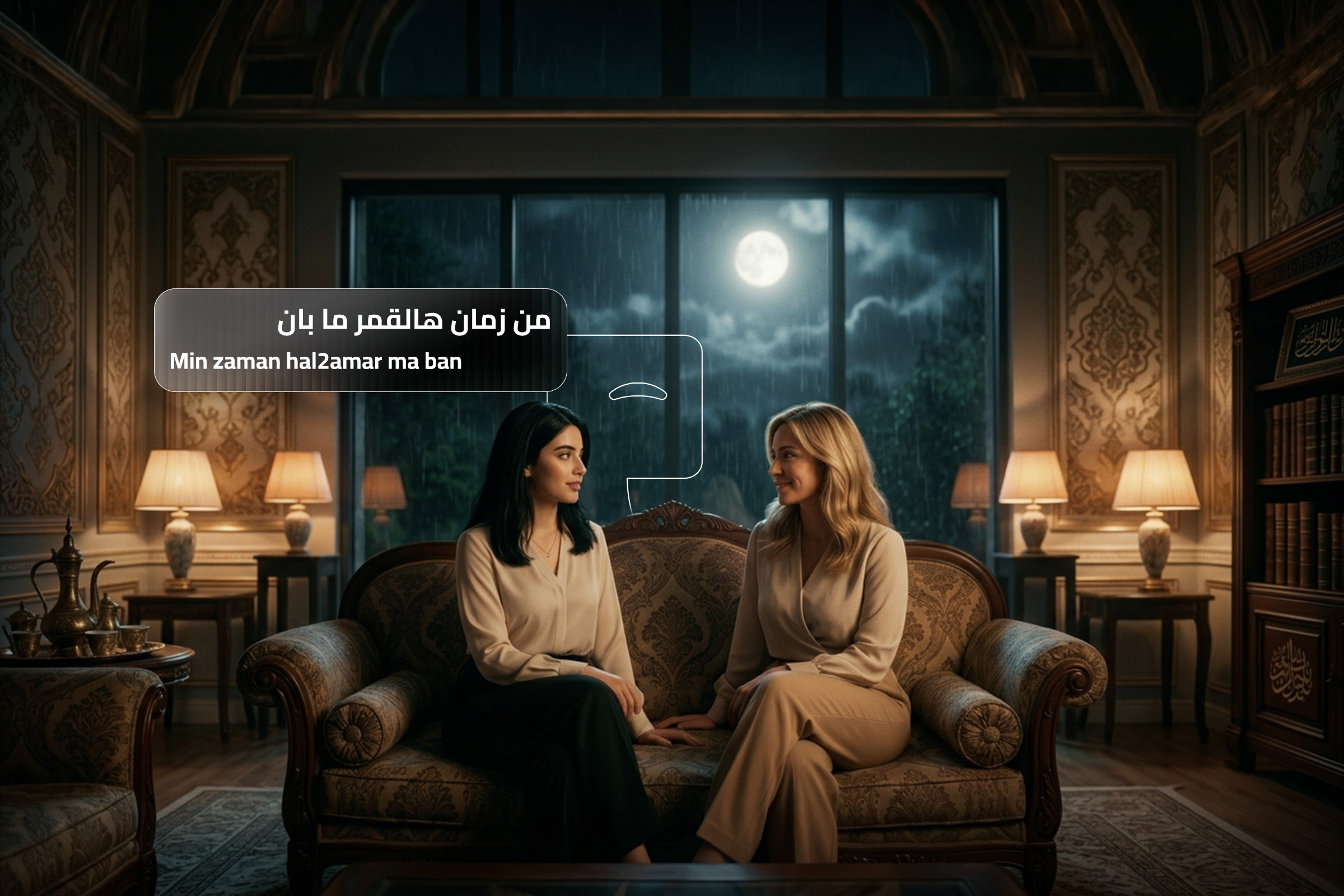
💬6. “من زمان هالقمر ما بان” — It’s been a long time since this “moon” appeared
⭐ “من زمان هالقمر ما بان”
Literally:
👉 “It’s been a long time since this moon showed up”
But in real Syrian Arabic meaning:
👉 “It’s been a long time since I saw you”
👉 “We really missed you”
👉 “You’ve been away for so long”
This expression is very poetic and emotional, and Syrians often use words like “قمر” (moon) as a way to lovingly refer to someone they care about.
💬 Example:
— من زمان هالقمر ما بان، وينك مختفي؟
— It’s been so long since we saw you, where have you been?
It adds a warm, affectionate, and slightly poetic tone to everyday Syrian Arabic conversations, especially when talking to someone you really miss.
💡 Why These Syrian Arabic Expressions Matter
Most learners of learn Syrian Arabic start with dictionary translations like:
❌ “أفتقدك” (too formal, rarely used in real life)
But native speakers actually use:
✔️ إلك وحشة
✔️ وين غاطط
✔️ طوّلت الغيبة
✔️ اشتقنالك
Because spoken Syrian Arabic is:
emotional
contextual
relationship-based
full of personality
focused on real-life communication
So learning vocabulary alone is not enough to sound natural.
🧠 The Hidden Rule of Syrian Emotional Language
One of the most important things in Syrian Arabic expressions is this:
👉 People don’t just say emotions, they express them through tone, humor, and context.
So:
🟡 missing someone = emotional + playful
🟡 greetings = warm + expressive
🟡 conversations = personal + contextual
This is what makes Levantine Arabic feel so natural and alive compared to formal Arabic.
🔥 Final Thought
If you want to sound natural in spoken Syrian Arabic, don’t rely only on direct translation.
Instead, focus on:
✔️ how people greet each other
✔️ how emotions are expressed in real life
✔️ how relationships shape language
✔️ how Syrian dialect phrases are actually used
Because in real communication:
🟡 It’s not just about words
🟡 It’s about meaning, emotion, and connection
And that’s exactly what makes learning Arabic truly real.
Also Read:
🎓 Curious how Syrians really say “I’m busy”? Explore natural spoken Syrian Arabic expressions used in daily life.
🎓 Zero to 15 Minutes in Arabic teaches your first conversation.
🎓 60 Minutes in 60 Daysexpands your vocabulary in topics like food, shopping, and daily life.
🎓 Weekly Arabic, Culture & Stories, Join Our Newsletter


