Why Saying “I’m Busy” in Syrian Arabic Is More Complicated Than You Think
When people learn Arabic, one of the first phrases they usually memorize is:
👉 “I’m busy.”
Simple, right?
Not exactly.
In Syrian Arabic, saying you’re busy is not just about giving information.
It’s about protecting the relationship, managing tone, and showing emotional awareness.
That’s why two people can use almost the exact same words…
and sound completely different.
One sounds warm and respectful.
The other sounds cold, irritated, or dismissive.
And this is exactly where many Arabic learners struggle.
Because real fluency is not just vocabulary.
It’s knowing how people actually communicate in daily life.
Why Saying “I’m Busy” in Syrian Arabic Is More Complicated Than You Think
Why “I’m Busy” Matters So Much in Syrian Arabic 1
“هلأ مشغول، بحكيك بعدين” The Most Natural Version 2
“مو فاضي هلأ” Casual but Tone Sensitive 3
“مو فاضي” Short, Direct, and Potentially Risky 4
Why Longer Sentences Usually Sound Kinder 5
“عندي شغل” One of the Most Natural Expressions 6
“غرقان شغل” Expressive Syrian Style 7
“هلأ لا” Very Direct (Use Carefully) 8
Sometimes Silence Says “I’m Busy” 9
Why Textbook Arabic Feels Different 10
Tone Matters More Than Words 11
Common Mistakes Arabic Learners Make 1
❌ Translating Directly from English 1
In many cultures, directly saying “I’m busy” is normal and efficient.
But in Syrian culture, communication is often softer and more relationship-oriented.
People usually try to:
✔️ Avoid sounding harsh
✔️ Protect feelings
✔️ Keep conversations emotionally smooth
So when someone calls you, messages you, or asks for something…
your response is not only about availability.
It also communicates:
👉 Your mood
👉 Your respect
👉 Your closeness to the person
👉 Whether you care about continuing the conversation
That’s why learning how Syrians say “I’m busy” teaches you much more than vocabulary.
It teaches you social communication.
“هلأ مشغول، بحكيك بعدين” The Most Natural Version
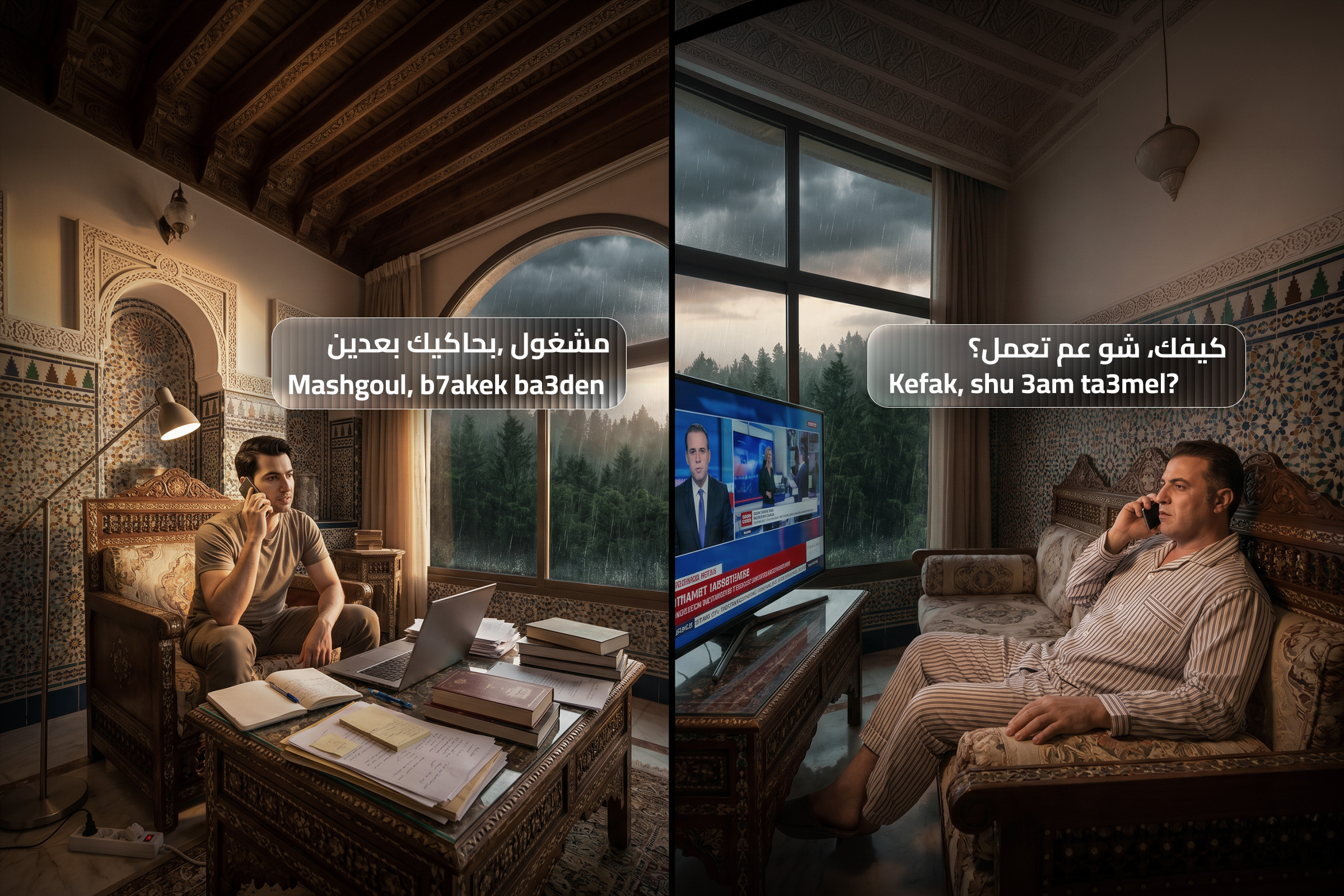
💬 “هلأ مشغول، بحاكيك بعدين”
→ “I’m busy now, I’ll talk to you later”
This is one of the best phrases you can learn in spoken Syrian Arabic.
Why?
Because you’re not ending the interaction.
You’re postponing it politely.
That small second part:
👉 “بحاكيك بعدين”
(“I’ll talk to you later”)
changes the entire emotional feeling.
Instead of sounding dismissive, you sound:
✔️ Warm
✔️ Respectful
✔️ Considerate
This is extremely common in Syrian daily life.
Syrians often soften inconvenient responses by adding reassurance.
Even when refusing, they usually leave the door emotionally open.
“مو فاضي هلأ” Casual but Tone Sensitive
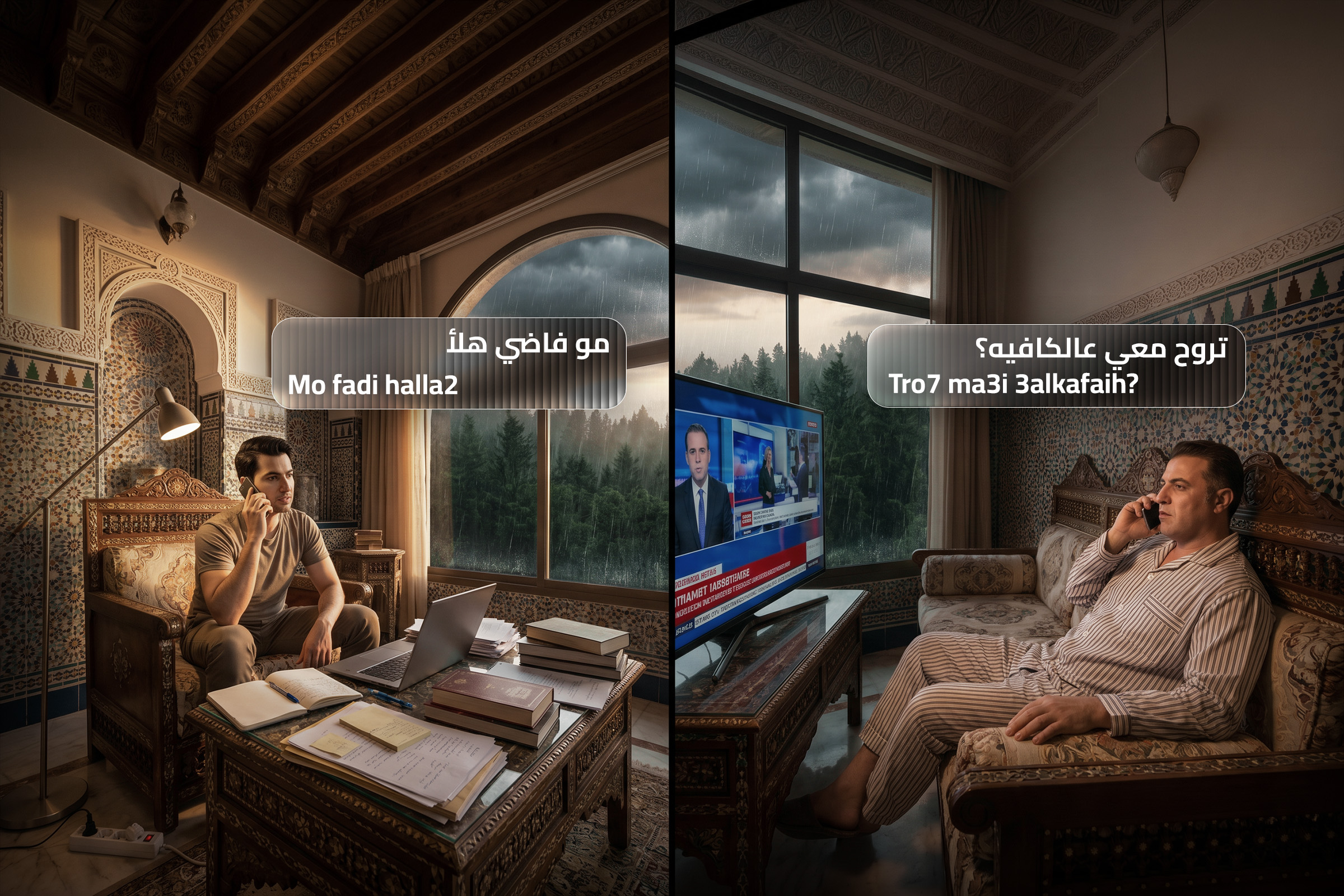
💬 “مو فاضي هلأ”
→ “I’m not free right now”
This phrase is very common and completely natural.
But here’s something important:
In Syrian Arabic, tone changes everything.
Said gently, this phrase sounds normal.
But said quickly or sharply?
👉 It can sound irritated.
That’s because spoken Arabic depends heavily on:
✔️ Voice
✔️ Rhythm
✔️ Facial expression
✔️ Timing
This is why learners sometimes unintentionally sound rude even when using the correct words.
“مو فاضي” Short, Direct, and Potentially Risky
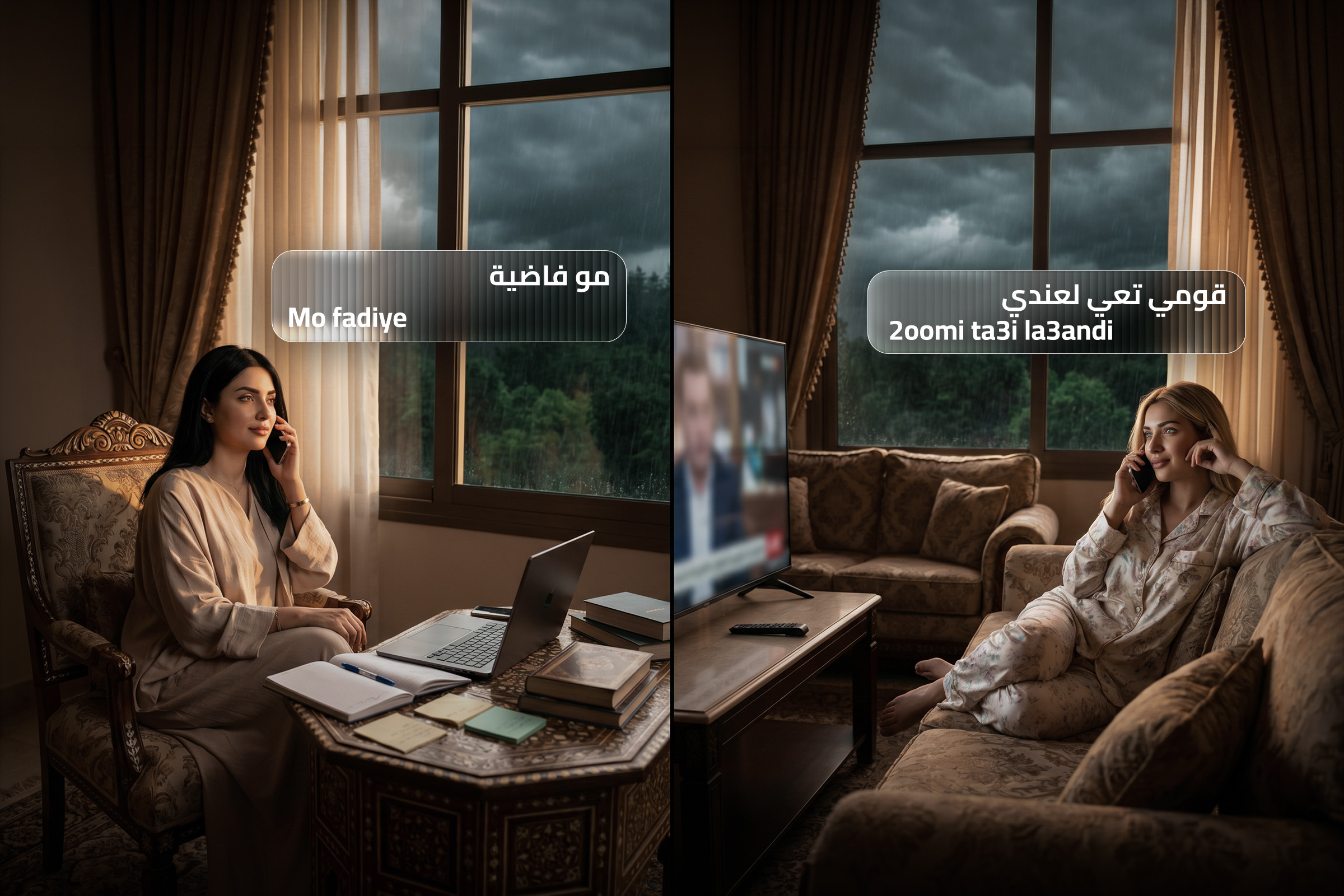
💬 “مو فاضي”
→ “Not free”
Grammatically?
✔️ Totally fine.
Socially?
😅 Potentially risky.
Because short answers in Syrian Arabic can feel emotionally distant.
Depending on your tone, this may sound like:
❌ “I don’t want to talk.”
❌ “Stop bothering me.”
❌ “Leave me alone.”
This doesn’t mean the phrase itself is bad.
It simply means Syrian communication often relies on emotional signals beyond literal meaning.
Why Longer Sentences Usually Sound Kinder
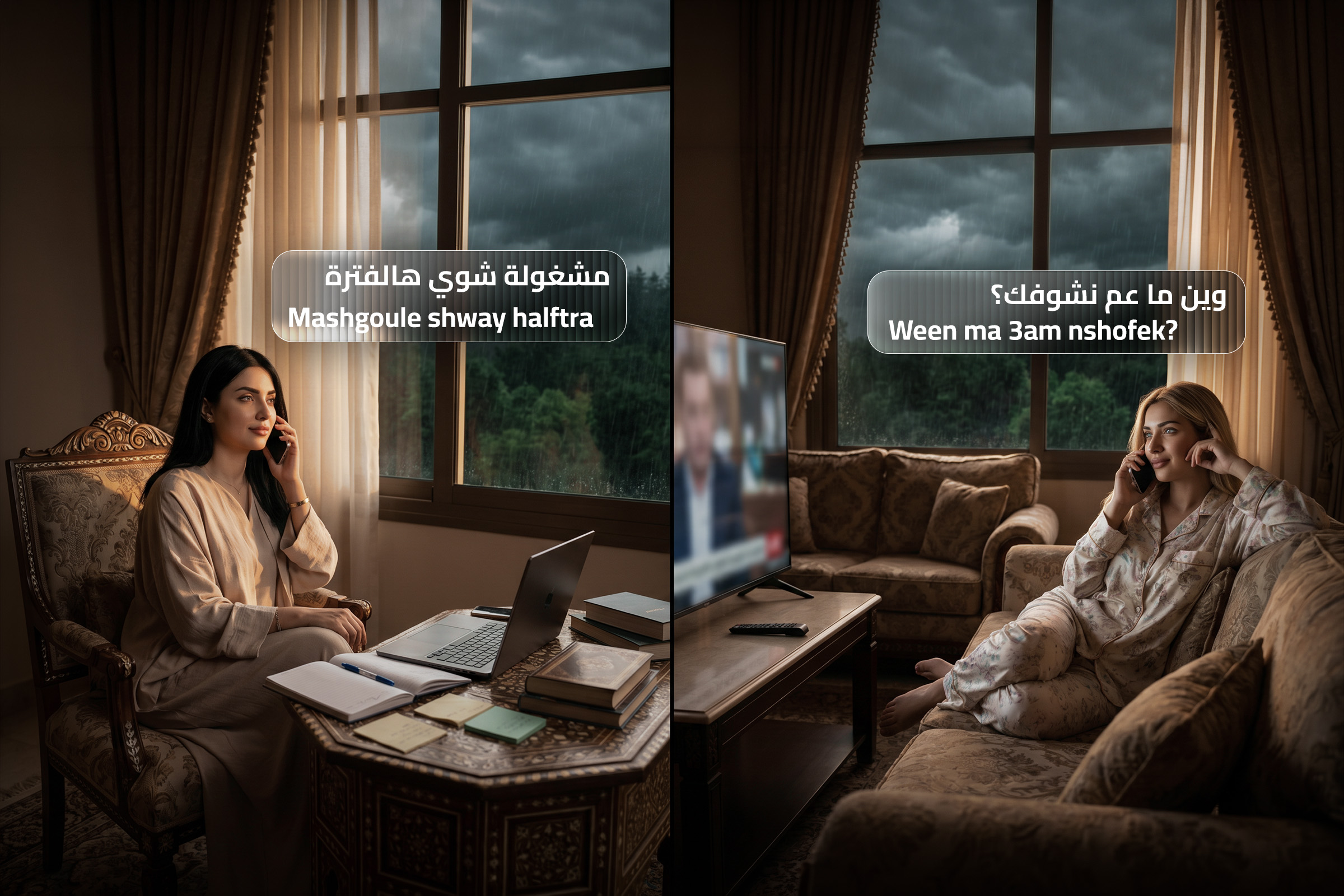
One interesting thing in Syrian Arabic is that longer responses often feel softer.
For example:
💬 “مشغول شوي هالفترة”
→ “I’ve been a bit busy lately”
This sounds much warmer than:
👉 “أنا مشغول.”
Why?
Because adding context makes the listener feel included instead of rejected.
You’re not simply blocking communication.
👉 You’re explaining your situation.
And explanation creates emotional comfort.
“عندي شغل” One of the Most Natural Expressions
💬 “عندي شغل”
→ “I have work”
This is one of the most commonly used phrases in Syrian Arabic.
And interestingly, it often sounds more natural than directly saying:
👉 “I’m busy.”
Why?
Because Syrians frequently prefer indirect communication.
Instead of focusing on you rejecting the conversation…
👉 You focus on the reason.
That small shift makes the phrase feel:
✔️ Softer
✔️ More conversational
✔️ Less personal
This is why native speech often sounds emotionally smoother than textbook Arabic.
“غرقان شغل” Expressive Syrian Style
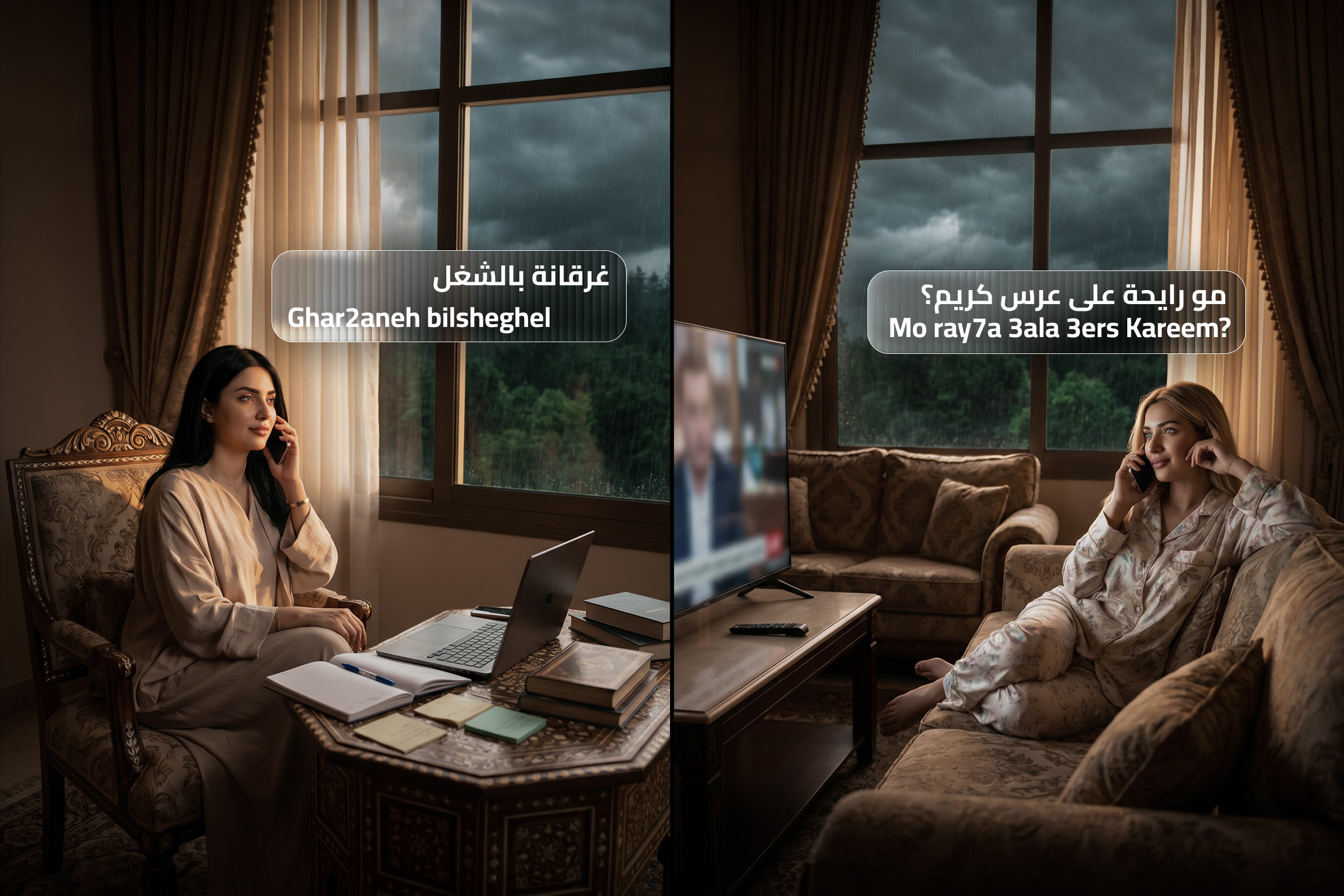
💬 “غرقان شغل”
→ “I’m drowning in work”
Nobody is literally drowning 😄
But emotionally?
👉 It perfectly communicates stress and overwhelm.
This kind of expression is extremely common in Syrian slang.
And this is exactly what makes spoken Arabic feel alive:
✔️ Exaggeration
✔️ Emotion
✔️ Personality
✔️ Humor
Textbooks rarely teach this side of the language.
“هلأ لاء” Very Direct (Use Carefully)
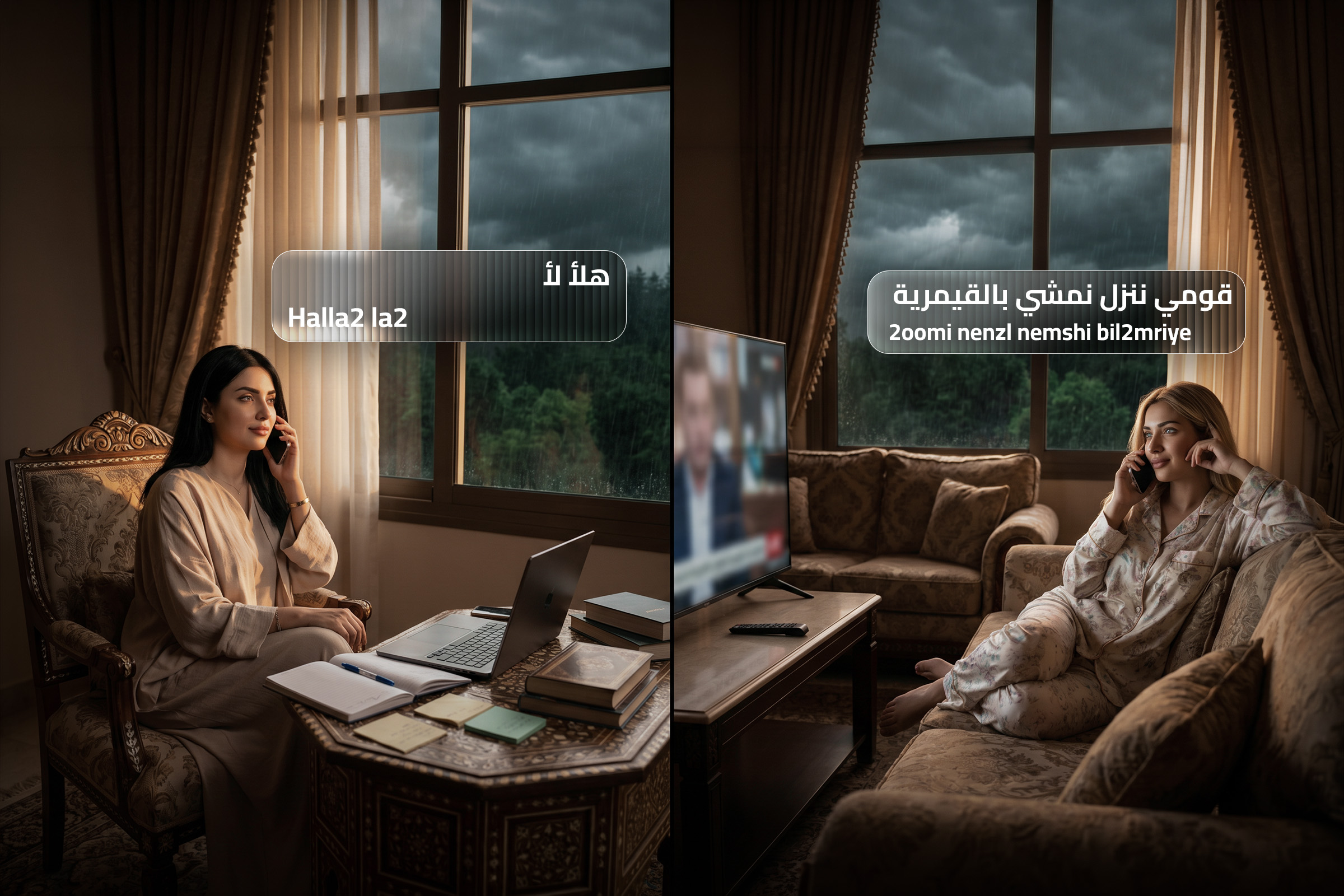
💬 “هلأ لا”
→ “Not now”
Very short.
Very direct.
Sometimes funny between close friends.
But in many situations, it can sound:
❌ Cold
❌ Dismissive
❌ Impatient
This is because Syrian culture often values emotional softness in conversation.
So sharper responses may unintentionally feel aggressive.
Sometimes Silence Says “I’m Busy”
One fascinating thing about Syrian Arabic is that people don’t always answer directly.
Sometimes you hear:
💬 “هلأ…”
followed by silence, hesitation, or a facial expression.
And somehow…
😄 Everybody understands the meaning.
This already communicates:
👉 “I’m busy.”
👉 “Not a good time.”
👉 “Maybe later.”
These are the social details learners miss when they only study grammar.
Why Textbook Arabic Feels Different
Many learners first study Modern Standard Arabic (MSA).
So they learn phrases like:
💬 “أنا مشغول جدًا”
→ “I am very busy.”
Is it correct?
✔️ Yes.
Does it sound natural in daily Syrian conversation?
❌ Not really.
Real Syrian Arabic is:
✔️ Shorter
✔️ More emotional
✔️ More flexible
✔️ Less formal
Native speakers rarely sound like textbooks.
And this is one of the biggest surprises learners experience when they first hear authentic conversations.
Tone Matters More Than Words
Look at these examples:
👉 “أنا مشغول هلأ 🙂”
→ Neutral and polite
👉 “أنا مشغول.”
→ Cold
👉 “مو فاضي!” 😤
→ Irritated
👉 “مشغول شوي، بحكيك بعدين 💜”
→ Warm and respectful
The meaning is almost identical.
But the emotional impact is completely different.
This is why fluency is not only about vocabulary.
👉 It’s about emotional delivery.
Common Mistakes Arabic Learners Make
❌ Translating Directly from English
Many learners translate:
👉 “I’m busy.”
word for word.
But natural Syrian Arabic often communicates ideas indirectly.
❌ Speaking Too Formally
Using only formal Arabic creates distance in casual conversations.
Real spoken Arabic is much more relaxed and human.
❌ Ignoring Tone
Even perfect grammar can sound rude if the tone feels harsh.
This is something apps and textbooks rarely teach.
How to Actually Sound Natural
Instead of memorizing only one phrase…
👉 Learn levels of politeness.
With close friends:
💬 “مشغول شوي”
With someone you respect:
💬 “هلأ مشغول، بحكيك بعدين”
When overwhelmed:
💬 “غرقان شغل”
When joking:
💬 “هلأ لا 😅”
This is how real language works.
Fluency means choosing the right phrase for the right emotional moment.
Final Thoughts: Fluency Is Emotional
Saying “I’m busy” sounds simple.
But in Syrian Arabic, it carries emotion, tone, and social meaning.
That’s why fluency is not just:
❌ Memorizing vocabulary
It’s:
✔️ Understanding people
✔️ Understanding context
✔️ Understanding emotional communication
At Speak Real Arabic, we believe real Arabic is not learned through isolated words and grammar charts.
It’s learned through moments, reactions, relationships, and real conversations.
Because in the end…
Language is not only about speaking correctly.
👉 It’s about making people feel something.
Continue Learning Syrian Arabic:
🌟 Start Zero to 15 Minutes, of real Arabic, without grammar stress,Explore the Course
🌟How to Say “Wait” in Arabic (10 Real-Life Situations).Read here.
🌟Join the VIP Membershipand experience Arabic the way it’s truly lived.


