How to Say “Wait” in Arabic (10 Real-Life Situations)
Learn how Syrians actually say "wait" in everyday conversations, and why choosing the right expression depends on the situation, your tone of voice, and the person you're speaking to.
Imagine you're walking through a busy street in Damascus with a Syrian friend.
You stop to look at something in a shop window, and they smile and say:
"استنى شوي."
A few minutes later, you're ordering coffee, and the barista says:
"لحظة بس."
Your phone rings. Someone answers with:
"ثانية..."
Later that day, another friend laughs and tells you:
"روّق شوي!"
At first, all these expressions seem to mean the same thing: wait.
But to a native Syrian speaker, they each create a different feeling.
Some sound polite.
Some sound casual.
Some show urgency.
Some calm people down.
Others can even sound impatient—or rude—if you use the wrong tone.
That's one of the biggest surprises for Arabic learners.
Many textbooks teach a single translation for the English word "wait."
Real life doesn't work that way.
In spoken Syrian Arabic, choosing the right expression depends on the context, your relationship with the other person, and even your facial expression or tone of voice.
Understanding these differences won't just improve your vocabulary.
It will make your Arabic sound far more natural.
At Speak Real Arabic, we believe that's the difference between learning Arabic and speaking Arabic like real people do.
💜 In This Guide, You'll Learn
After reading this guide, you'll know:
The most common way Syrians say "wait."
Why انتظر (Intazir) sounds much more formal than استنى (Istanna).
The difference between لحظة، ثانية، and دقيقة.
Emotional expressions like روّق and هدي.
Which expressions sound polite, casual, urgent, or direct.
How to choose the right phrase in real conversations.
Common mistakes Arabic learners make.
Practical examples you can start using today.
How to Say “Wait” in Arabic (10 Real-Life Situations)
Why There Isn't Just One Word for "Wait"
The 10 Most Common Ways Syrians Say "Wait"
1. استنى (Istanna) — The Everyday Choice
💬 2. “ناطر” (Nater) — “I’m Waiting”
💬 3. “لحظة” (Lahza) — “One Moment” (Polite)
💬 4. “ثانية” (Thaniya) — “One Second”
💬 5. “دقيقة” (Daqiqa) — “A Minute”
💬 6. “روّق” (Rawa’) — “Calm Down / Wait”
💬 7. “هدي” (Haddi) — “Take It Easy”
💬 8. “استنى علي” — “Wait for Me”
💬 9. “لا تستعجل” — “Don’t Rush”
💬 10. “وقف” (Waqif) — “Stop / Hold On”
🎭 How Tone Changes Everything in Syrian Arabic
💜 Cultural Notes: Why Syrians Use Soft Expressions
⭐ Pro Tips: How to Sound More Natural When Saying "Wait"
1. Learn expressions, not individual words
2. Start with the most useful expressions
4. Listen before trying to speak
⚠️ Common Mistakes Arabic Learners Make
Mistake 1: Using "انتظر" in everyday conversations
Mistake 2: Translating "wait" the same way every time
Mistake 4: Trying to sound too perfect
🗣️ Practical Section: How Syrians Actually Say "Wait" in Real Situations
⭐ Situation 1: Your friend is leaving before you are ready
⭐ Situation 2: Someone asks you a question while you're busy
⭐ Situation 3: You are checking something
⭐ Situation 4: Someone is getting nervous
⭐ Situation 5: Someone is rushing you
Why There Isn't Just One Word for "Wait"
One of the biggest misconceptions Arabic learners have is believing that every English word has one direct Arabic equivalent.
In reality, spoken Arabic is much more expressive.
Instead of translating individual words, native speakers choose expressions based on the situation.
Think about English for a moment.
Depending on the context, you might say:
Wait.
Hold on.
Hang on.
Just a second.
One minute.
Give me a moment.
Slow down.
Relax.
Each phrase communicates the same general idea, but each carries a different tone and feeling.
Syrian Arabic works exactly the same way.
Sometimes you're asking someone to stop moving.
Sometimes you're asking them to be patient.
Sometimes you're calming them down.
Sometimes you're simply buying yourself a few seconds to think.
That's why learning a list of vocabulary words isn't enough.
To sound natural, you need to understand when each expression is appropriate—not just what it literally means.
The good news?
Once you learn these real-life expressions, you'll start noticing them everywhere in Syrian conversations.
The 10 Most Common Ways Syrians Say "Wait"
1. استنى (Istanna) — The Everyday Choice
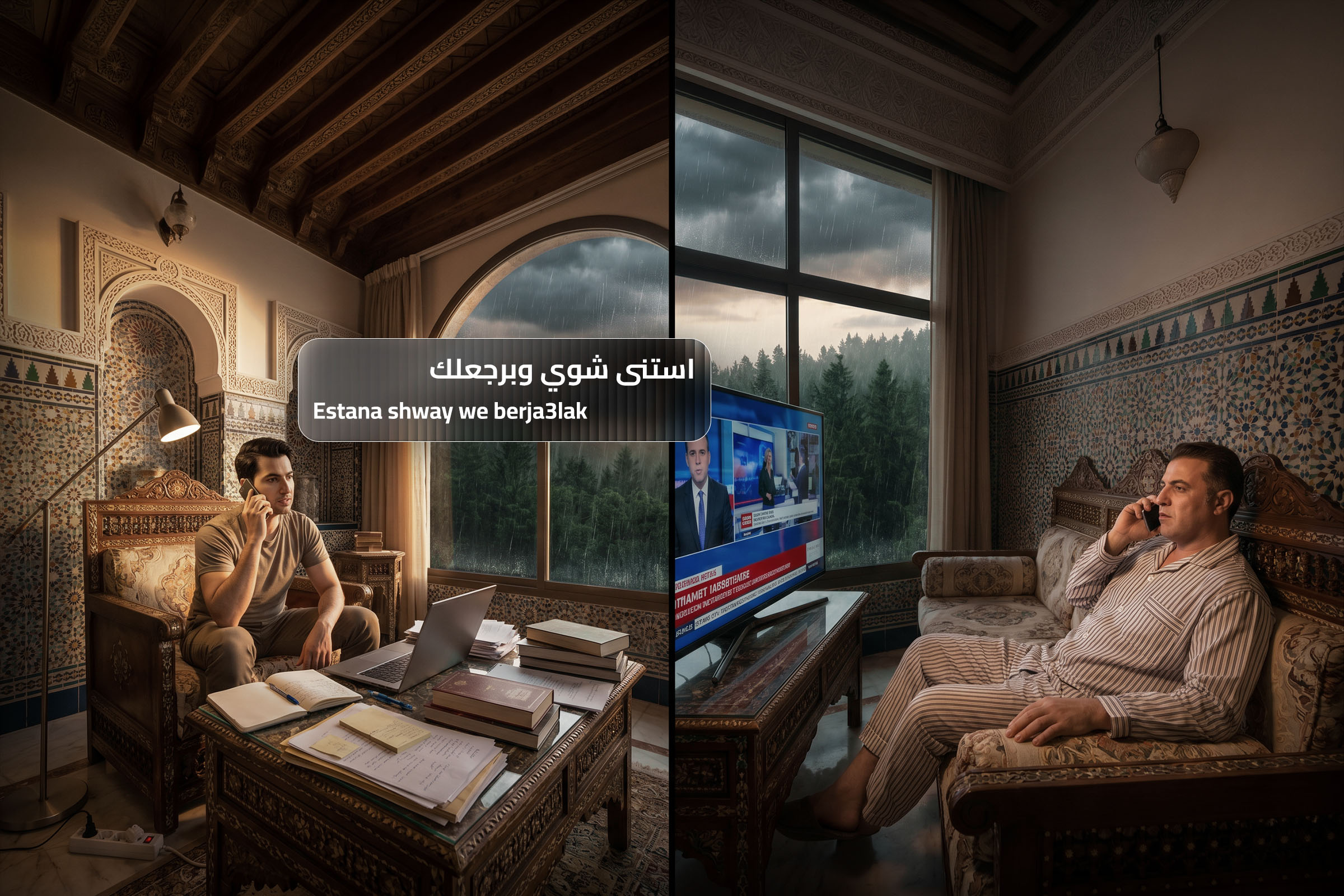
If you only remember one expression from this article, make it this one.
استنى is by far the most common and natural way to say "wait" in spoken Syrian Arabic.
You'll hear it dozens of times every day.
At home.
With friends.
On the phone.
In cafés.
In shops.
Between parents and children.
Between coworkers.
It's short, friendly, and works in almost every casual situation.
Examples
استنى شوي
Wait a little.
استنى هون
Wait here.
استنى علي
Wait for me.
استنى دقيقة.
Wait a minute.
Notice how flexible the word is.
Native speakers combine it with other words to create different meanings without changing the basic expression.
That's exactly how real Syrian Arabic works.
Unlike the formal Arabic you often find in textbooks, استنى sounds relaxed and conversational.
It's one of those everyday words that instantly makes your Arabic feel more authentic.📚
💬 2. “ناطر” (Nater) — “I’m Waiting”
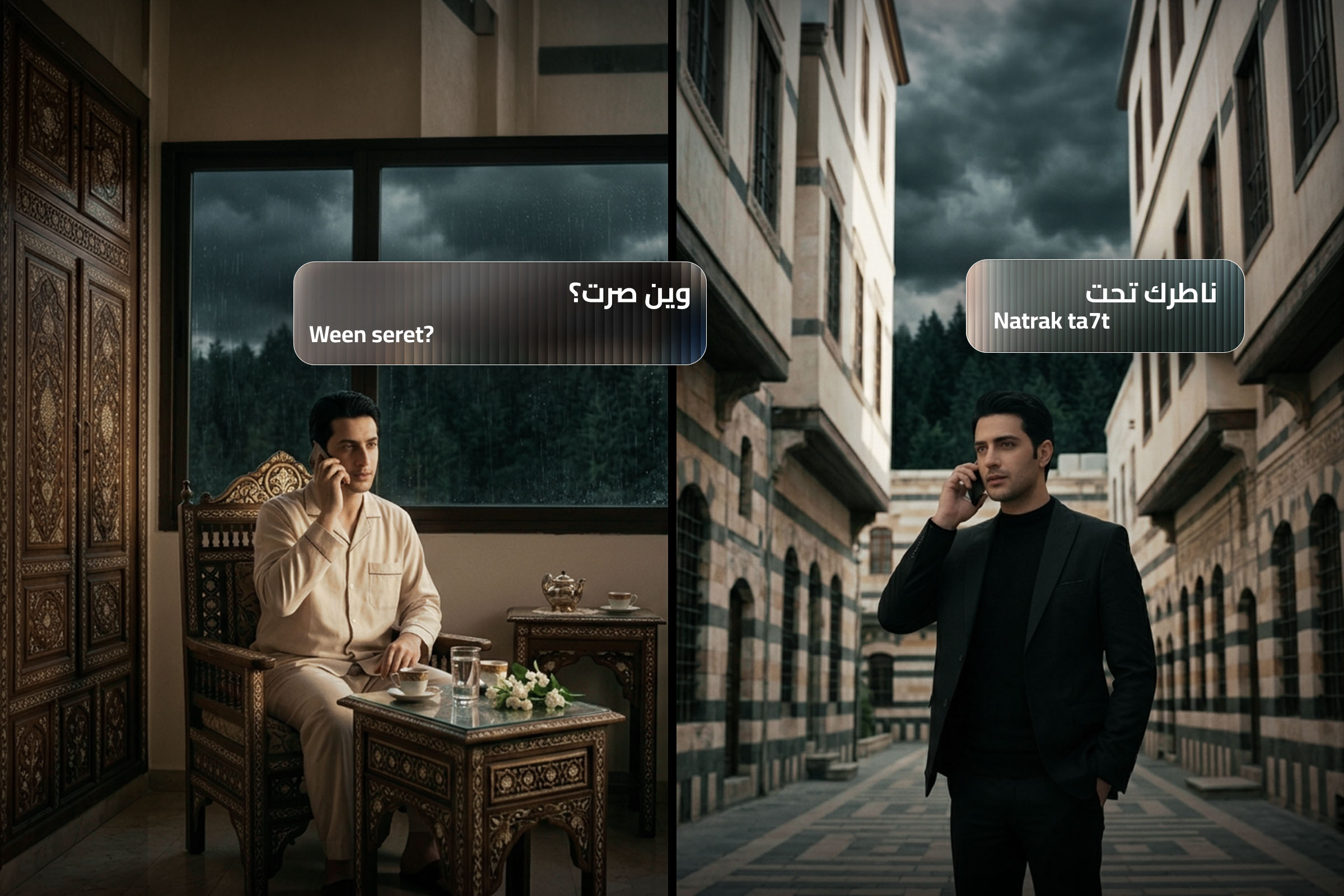
Unlike استنى, which is a command, ناطر describes a situation.
You're not asking someone to wait.
You're telling them that you are already waiting.
It's one of the most useful everyday words in Syrian Arabic because you'll hear it constantly in text messages, phone calls, and daily conversations.
Examples
أنا ناطر.
I'm waiting.
ناطرك.
I'm waiting for you.
ناطر برا.
I'm waiting outside.
ناطر عند الباب.
I'm waiting at the door.
This expression sounds completely natural between friends and family.
If you're meeting someone, don't be surprised if they simply text:
ناطرك 😊
instead of writing a complete sentence.
That's how spoken Syrian Arabic often works—it favors short, natural expressions over perfectly complete grammar.
💬 3. “لحظة” (Lahza) — “One Moment” (Polite)
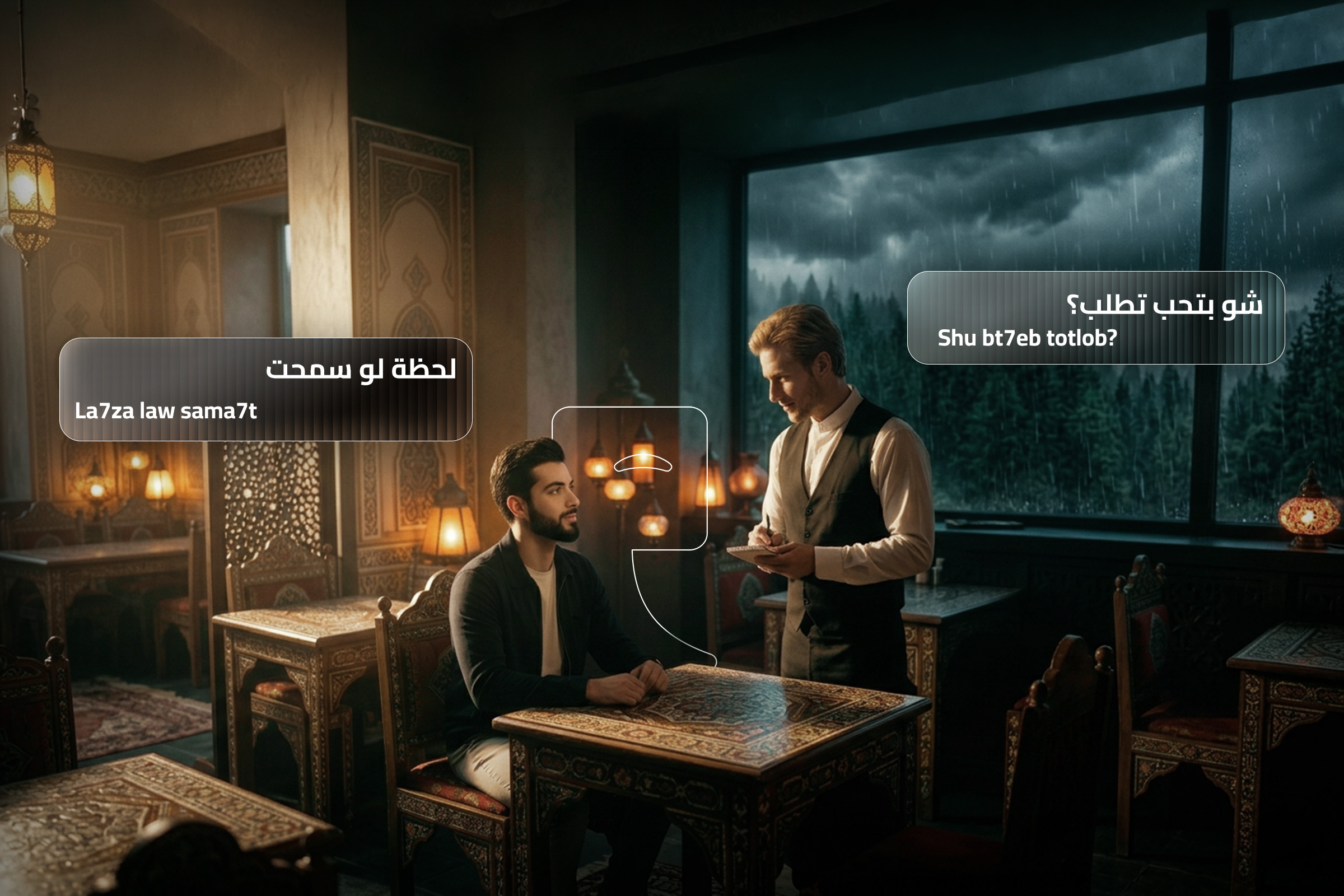
Sometimes you don't want someone to wait.
You simply need a moment.
That's where لحظة comes in.
It's softer and more polite than استنى, making it ideal in situations where you want to sound respectful.
You'll hear it in shops, restaurants, offices, hospitals, and customer service conversations.
Examples
لحظة لو سمحت.
One moment, please.
لحظة بس.
Just a moment.
لحظة، خليني شوف.
One moment, let me check.
If someone answers the phone while doing something else, chances are you'll hear:
لحظة بس...
before they continue speaking.
Because it's polite and neutral, لحظة works well with almost anyone, even people you don't know.
💬 4. “ثانية” (Thaniya) — “One Second”
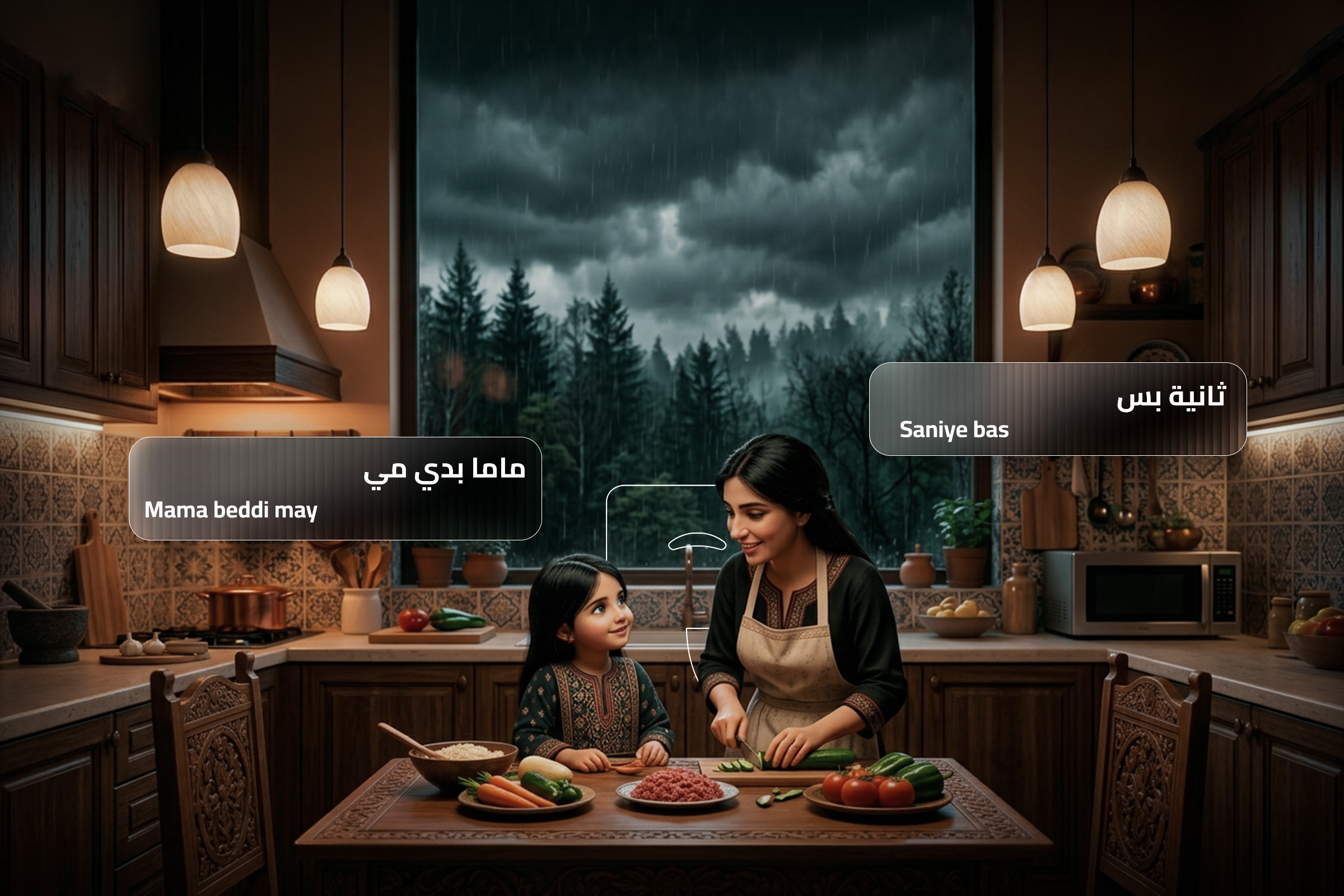
If لحظة is polite,
ثانية is casual.
It's probably one of the expressions you'll hear most often in everyday Syrian conversations.
Ironically, nobody expects the wait to last exactly one second.
Just like English speakers say "One second," Syrians use ثانية simply to mean:
"Give me a moment."
Examples
ثانية بس.
Just a second.
ثانية خليني أخلص.
One second, let me finish.
ثانية، عم رد عليه.
One second, I'm replying to him.
Because it's quick and informal, people often use it while multitasking.
If someone is typing a message, answering another phone call, or looking for something, ثانية is usually the first thing they'll say.
💬 5. “دقيقة” (Daqiqa) — “A Minute”
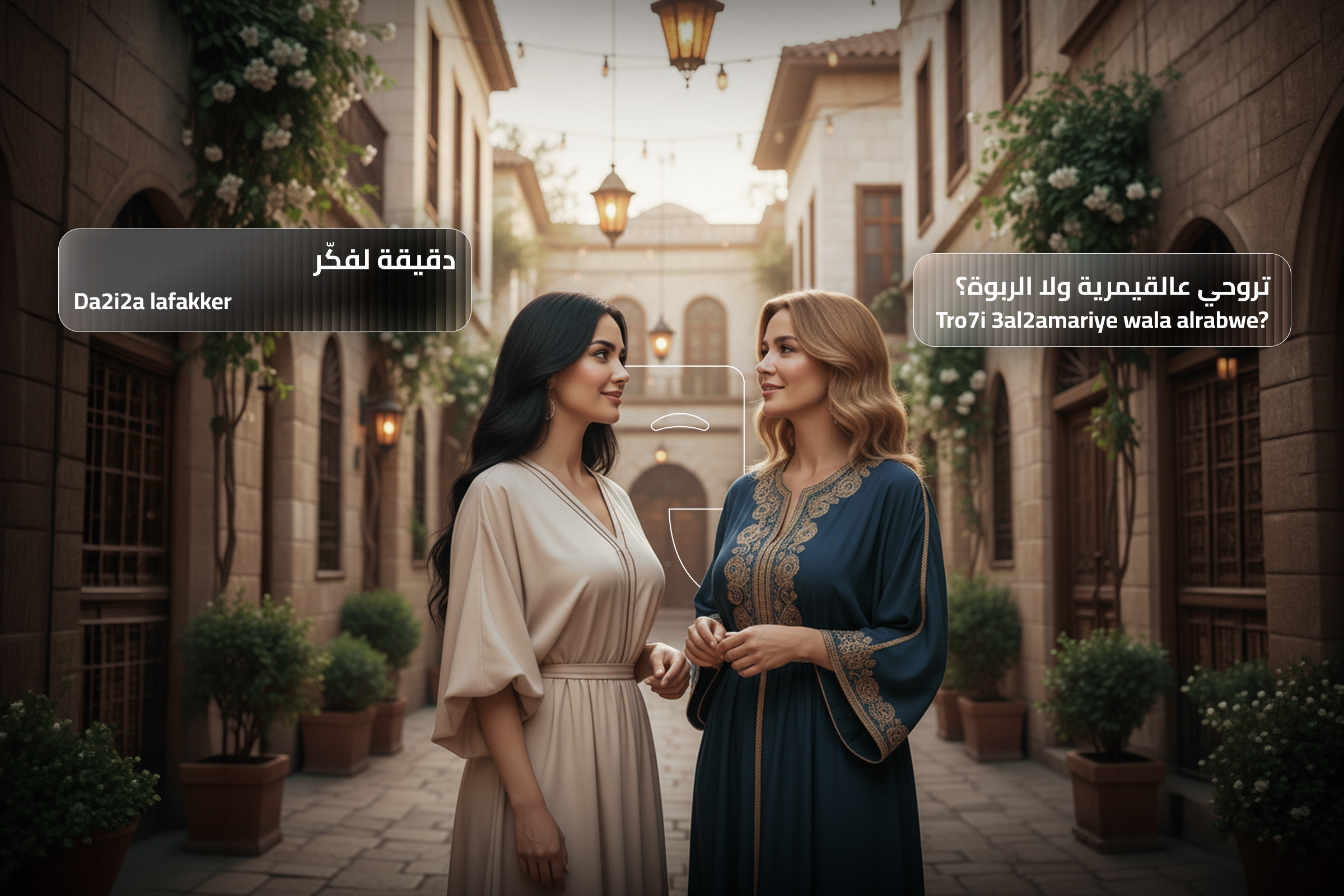
Another extremely common expression is دقيقة.
Like ثانية, it doesn't necessarily refer to the exact amount of time.
Sometimes it really means one minute.
Sometimes... it means five.
Or ten. 😄
Examples
دقيقة.
One minute.
دقيقة خليني فكر.
Wait a minute, let me think.
دقيقة وبرجع.
Give me a minute and I'll be back.
This expression feels calm and natural.
It's often used when someone needs a little more time than "just a second."
💬 6. “روّق” (Rawa’) — “Calm Down / Wait”
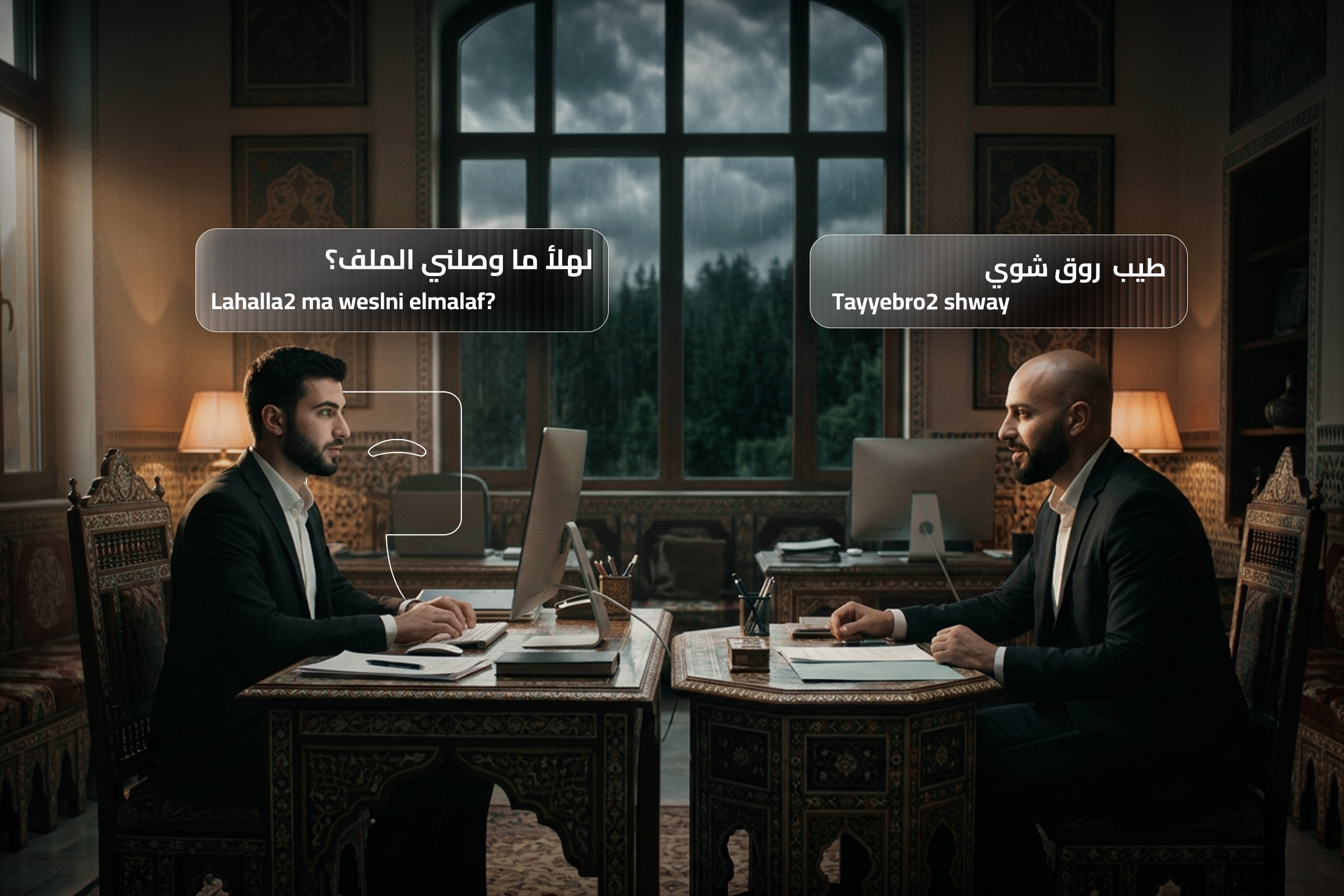
This is one of those wonderfully expressive Syrian words that learners love.
Technically, روّق doesn't mean wait.
It literally means:
Calm down.
But in conversation, Syrians often use it when someone is rushing, panicking, or reacting too quickly.
In those situations, روّق functions almost like saying:
"Hold on."
"Slow down."
"Take it easy."
Examples
روّق شوي.
Calm down a bit.
روّق... في وقت.
Relax... we've got time.
روّق يا زلمة!
Take it easy, man!
Tone Matters
This is one of those expressions where your tone completely changes the meaning.
😊 Friendly
روّق شوي 😄
"Relax!"
😐 Neutral
"Take it easy."
😠 Angry
"Would you calm down!"
The words stay exactly the same.
The emotion changes everything.
💬 7. “هدي” (Haddi) — “Take It Easy”
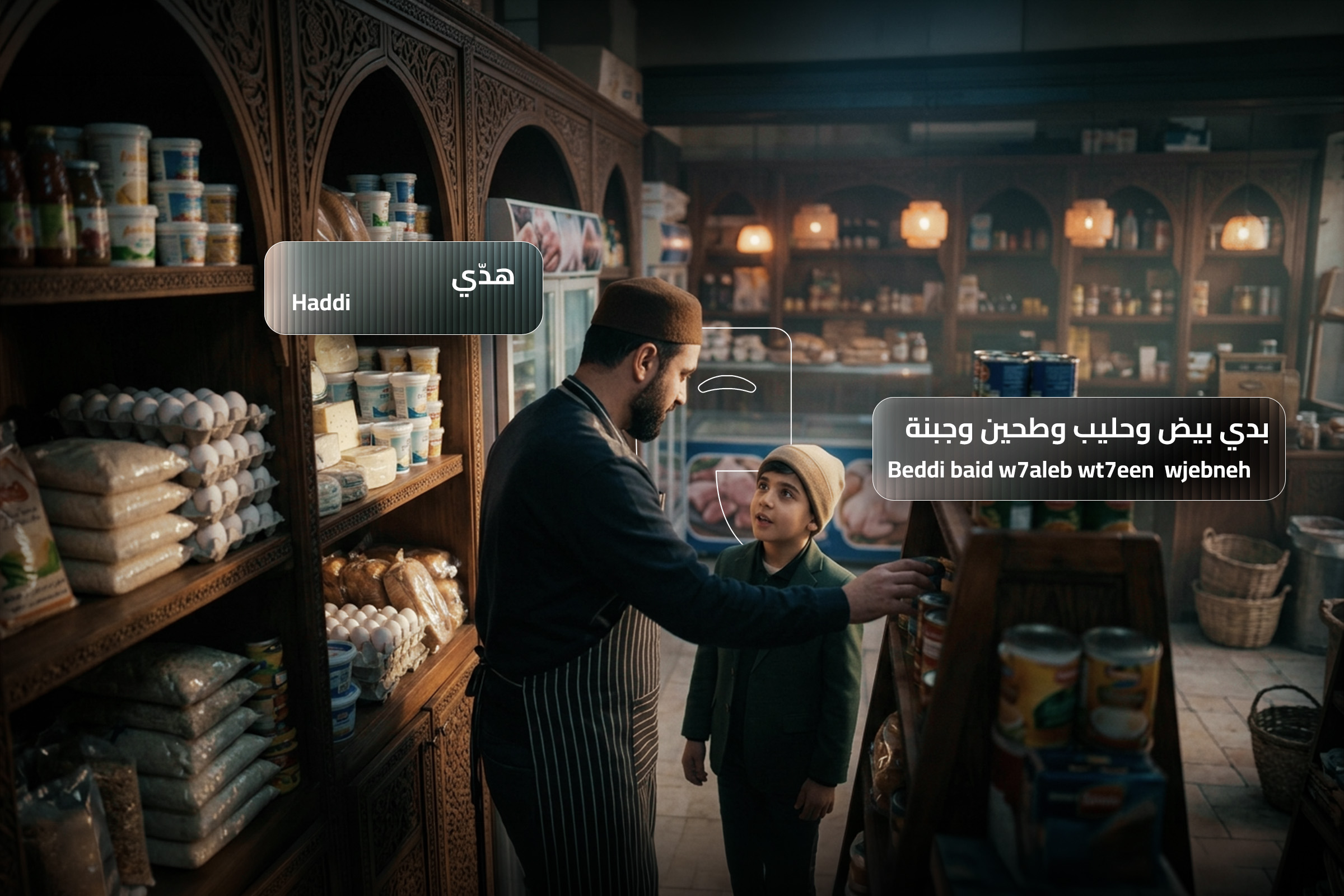
Another emotional expression you'll hear constantly in Syrian Arabic is:
هدّي
Like روّق, it isn't a literal translation of wait.
Instead, it's used when someone is nervous, excited, angry, or rushing through something.
Examples
هدّي شوي.
Take it easy.
هدّي أعصابك.
Calm down.
هدّي... الأمور بسيطة.
Relax... it's not a big deal.
This reflects something important about Syrian culture.
People often respond to emotions first.
Instead of giving instructions immediately, they'll first try to calm the other person.
That's why expressions like روّق and هدّي are so common.

This is one of the most useful expressions you'll ever learn.
You'll hear it between friends...
siblings...
parents...
couples...
and coworkers.
Examples
استنى علي شوي.
Wait for me a bit.
استناني تحت.
Wait for me downstairs.
استنى علي لحتى أخلص.
Wait for me until I finish.
If you're meeting Syrians in real life, you'll probably hear this expression within the first few days.
It's part of everyday conversation.
💬 9. “لا تستعجل” — “Don’t Rush”

Sometimes Syrians don't ask you to wait directly.
Instead, they encourage you to slow down.
That's where لا تستعجل comes in.
Examples
لا تستعجل.
Don't rush.
لا تستعجل، خذ وقتك.
Take your time.
لا تستعجل بالحكم.
Don't rush to judge.
This sounds softer and more reassuring than simply saying:
Wait.
It's often used when giving advice or comforting someone.
💬 10. “وقف” (Waqif) — “Stop / Hold On”

Finally, we have one of the strongest expressions on the list.
وقف شوي
Literally means:
"Stop for a moment."
Unlike استنى, this expression immediately grabs attention.
Examples
وقف شوي.
Hold on.
وقف هون.
Stop here.
وقف... اسمعني.
Hold on... listen to me.
Because it sounds more direct, be careful when using it.
With friends, it may sound perfectly normal.
With strangers, however, it can easily sound impatient or even rude if your tone isn't friendly.
🎭 How Tone Changes Everything in Syrian Arabic
One of the biggest challenges for Arabic learners is realizing that words alone do not carry the full meaning.
In Syrian Arabic, your tone of voice, facial expression, and relationship with the other person can completely change how a phrase sounds.
The same expression can feel:
Friendly
Funny
Urgent
Annoyed
Serious
depending on how you say it.
For example:
استنى شوي 🙂
With a warm tone:
"Wait a little."
It sounds friendly and normal.
استنى شوي 😐
With a flat tone:
"Wait a bit."
It may sound like the person is becoming impatient.
استنى شوي 😤
With an angry tone:
"Wait!"
Now it sounds like a command.
The words didn't change.
The emotion did.
This is one reason why many learners understand written Arabic but struggle with real conversations.
Native speakers are not only listening to vocabulary.
They are reading the entire situation.
They notice:
The speaker's mood
The relationship between people
The urgency of the moment
The way the sentence is delivered
This is why learning spoken Arabic through real conversations is so important.
💜 Cultural Notes: Why Syrians Use Soft Expressions
Syrian Arabic is known for being expressive and relationship-focused.
In many situations, people prefer to soften their requests instead of giving direct commands.
For example, instead of saying:
استنى!
which can sound strong depending on the tone, someone may say:
ثانية بس
or
لحظة لو سمحت
to make the interaction smoother.
This is especially common when speaking with:
Older people
Guests
Customers
People you don't know well
The choice of expression is not only about grammar.
It also shows respect and social awareness.
A small word can communicate:
"Take your time."
"I respect you."
"I don't want to sound demanding."
This is one of the beautiful things about spoken Arabic:
The language reflects relationships.
⭐ Pro Tips: How to Sound More Natural When Saying "Wait"
1. Learn expressions, not individual words
Many learners memorize:
Wait = انتظر
But native speakers don't communicate like dictionaries.
Instead, learn complete phrases:
✅ استنى شوي
Wait a little.
✅ لحظة بس
Just a moment.
✅ ثانية خليني شوف
One second, let me check.
These phrases will come naturally when you need them.
2. Start with the most useful expressions
You don't need to memorize all ten expressions immediately.
Start with these:
Everyday situations:
استنى شوي
Polite situations:
لحظة لو سمحت
Quick moments:
ثانية بس
When someone is rushing:
روّق شوي
These four expressions will already cover most daily conversations.
3. Pay attention to emotion
When watching Syrian videos, don't only listen to the words.
Notice:
How people say them
Their facial expressions
Their body language
A friendly استنى and an angry استنى are two completely different experiences.
4. Listen before trying to speak
One of the fastest ways to improve your spoken Arabic is exposure.
Listen to:
Syrian podcasts
Conversations
Interviews
TV shows
Real-life videos
Your brain will naturally start recognizing patterns.
⚠️ Common Mistakes Arabic Learners Make
Mistake 1: Using "انتظر" in everyday conversations
انتظر is correct Arabic.
The problem is not correctness.
The problem is naturalness.
In casual Syrian Arabic, it often sounds too formal.
Instead:
❌ انتظر قليلاً
✅ استنى شوي
Mistake 2: Translating "wait" the same way every time
English uses one common word:
"Wait."
But Syrian Arabic depends on the situation.
Compare:
استنى شوي
"Wait a little."
لحظة لو سمحت
"One moment, please."
روّق شوي
"Calm down."
They all relate to stopping or slowing down, but they create different feelings.
Mistake 3: Ignoring tone
A learner may use the correct word but with the wrong emotion.
For example:
وقف شوي
can be friendly between close friends.
But with the wrong tone, it can sound like:
"Stop it."
or
"Enough."
Always learn the feeling behind the phrase.
Mistake 4: Trying to sound too perfect
Many learners worry about choosing the "perfect" expression.
But native speakers don't think that way.
They choose naturally based on the moment.
The goal is not perfection.
The goal is communication.
🗣️ Practical Section: How Syrians Actually Say "Wait" in Real Situations
⭐ Situation 1: Your friend is leaving before you are ready
You say:
✔️استنى علي شوي
"Wait for me a bit."
⭐ Situation 2: Someone asks you a question while you're busy
You say:
ثانية بس
"Just a second."
⭐ Situation 3: You are checking something
You say:
لحظة خليني شوف
"One moment, let me check."
⭐ Situation 4: Someone is getting nervous
You say:
روّق شوي
"Relax a little."
⭐ Situation 5: Someone is rushing you
You say:
لا تستعجل
"Don't rush."
⭐ Situation 6: You need someone's attention immediately
You say:
وقف شوي
"Hold on."
Final Thoughts
Learning how to say "wait" in Arabic is a perfect example of why spoken language is different from textbook language.
There is no single word that works in every situation.
Syrians choose different expressions depending on:
The relationship
The situation
The emotion
The level of politeness
You might say:
استنى شوي
with a friend.
لحظة لو سمحت
with a stranger.
روّق شوي
to calm someone down.
And each one feels completely natural.
Because learning Arabic is not only about knowing words.
It's about understanding how people use those words to connect with each other.
That is the heart of real Syrian Arabic.
💜 Learn Syrian Arabic Through Real Conversations
At Speak Real Arabic, we believe the fastest way to understand Arabic is to experience it the way native speakers actually use it.
Inside our lessons, you'll learn:
🎧 Authentic Syrian Arabic audio
📖 Real conversation transcripts
💬 Everyday expressions native speakers use
🌍 Cultural explanations that help you understand the people behind the language
Because Arabic is not just a language to memorize.
It's a language to experience.
Continue Learning Syrian Arabic
🌟 What Is Tarab? A Beautiful Arabic Word Every Music Lover Should Know
Explore one of the most meaningful Arabic words connected to music and emotion.
🌟 The Most Beautiful Compliments in Syrian Arabic
Learn the expressions Syrians use to show warmth and appreciation.
🌟 Syrian Wedding Vocabulary: Words and Expressions You Should Know
Discover the language behind one of Syria's most meaningful cultural celebrations.
🌟 Start Zero to 15 Minutes, of real Arabic, without grammar stress,Explore the Course
🌟 How to Apologize in Arabic (Real Spoken Syrian & Levantine Arabic Phrases).Read here.
🌟Join the VIP Membership and experience Arabic the way it’s truly lived.


