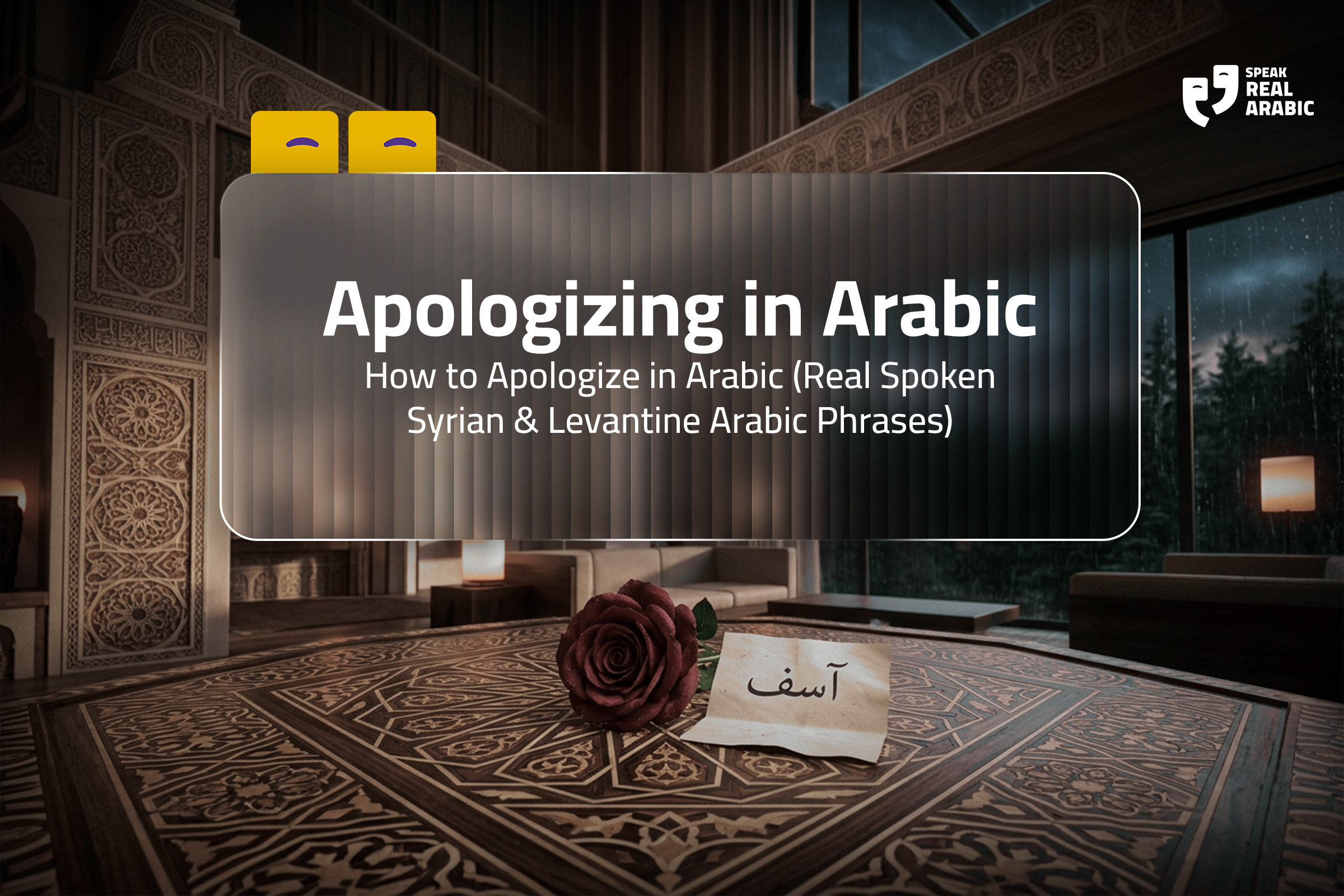
How to Apologize in Arabic (Real Spoken Syrian & Levantine Arabic Phrases)
If you want to learn real spoken Arabic, especially Syrian Arabic, knowing how to apologize naturally is essential.
In this Speak Real Arabic guide, you’ll learn how native speakers actually say sorry in everyday conversations, not textbook Arabic.
In real spoken Arabic, especially Levantine dialects like Syrian Arabic—there isn’t just one way to apologize.
People use different expressions depending on the situation, tone, and relationship.
This guide will help you understand how to apologize in Arabic naturally, using real phrases used by native speakers every day.
Why Learning How to Apologize in Arabic Matters
Knowing how to say sorry in Arabic is essential if you want to sound natural and respectful.
In Arabic culture, tone and intention matter just as much as the words themselves.
A simple apology can build trust, fix misunderstandings, and make your Arabic sound more human.
At SRA, we focus on teaching real spoken Arabic the way people actually use it in daily life, not formal textbook expressions.
1. The Most Common Way to Say Sorry in Arabic
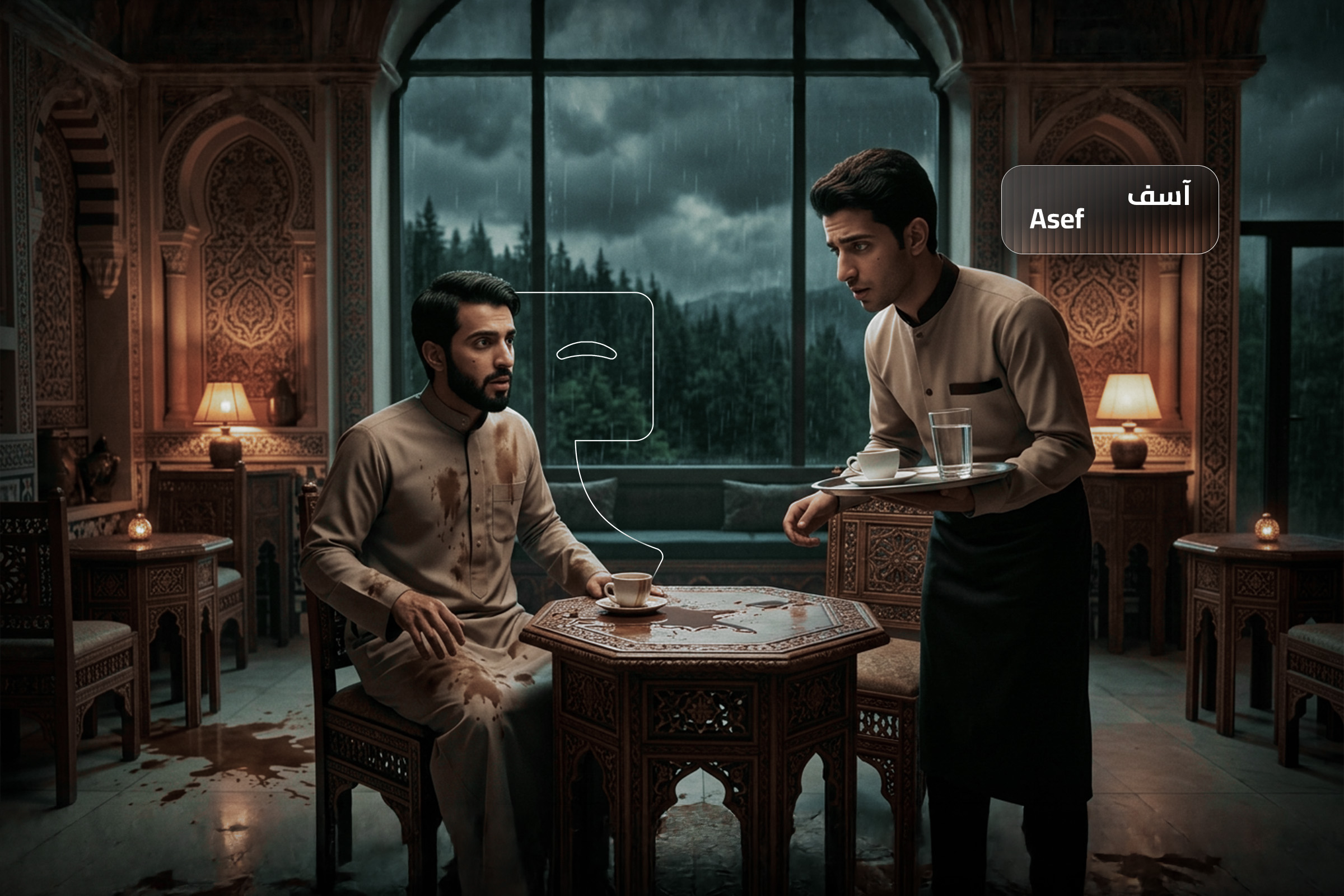
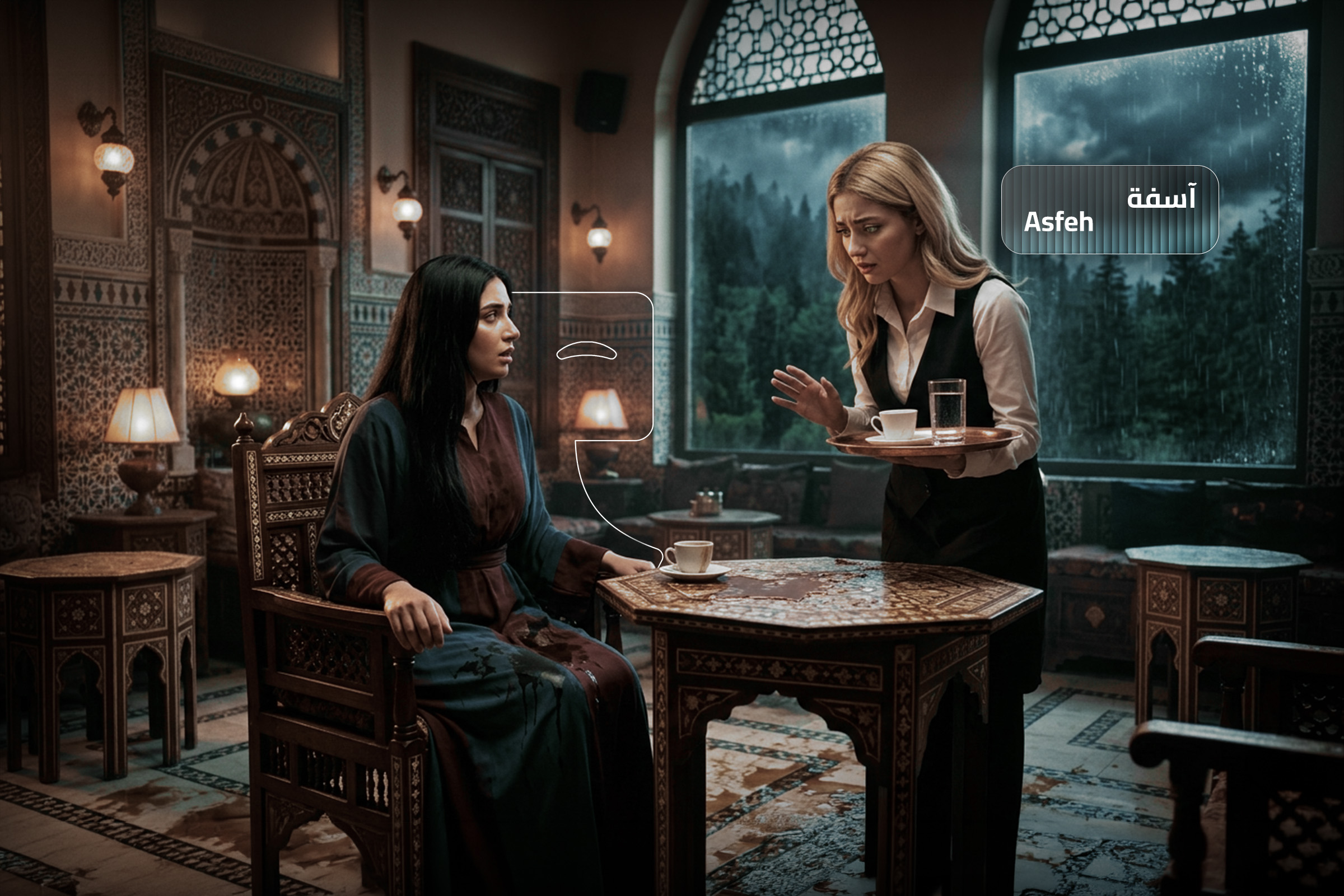
آسف / آسفة (Asef / Asfeh)
👉 Sorry
Asef → used by a man
Asfeh → used by a woman
This is the most direct translation of “sorry” in Arabic.
It is understood everywhere and works in both formal and informal situations.
📌 Example:
Asef, ma kent qasd
👉 Sorry, I didn’t mean it
2. The Most Natural Spoken Apology (Levantine Arabic)
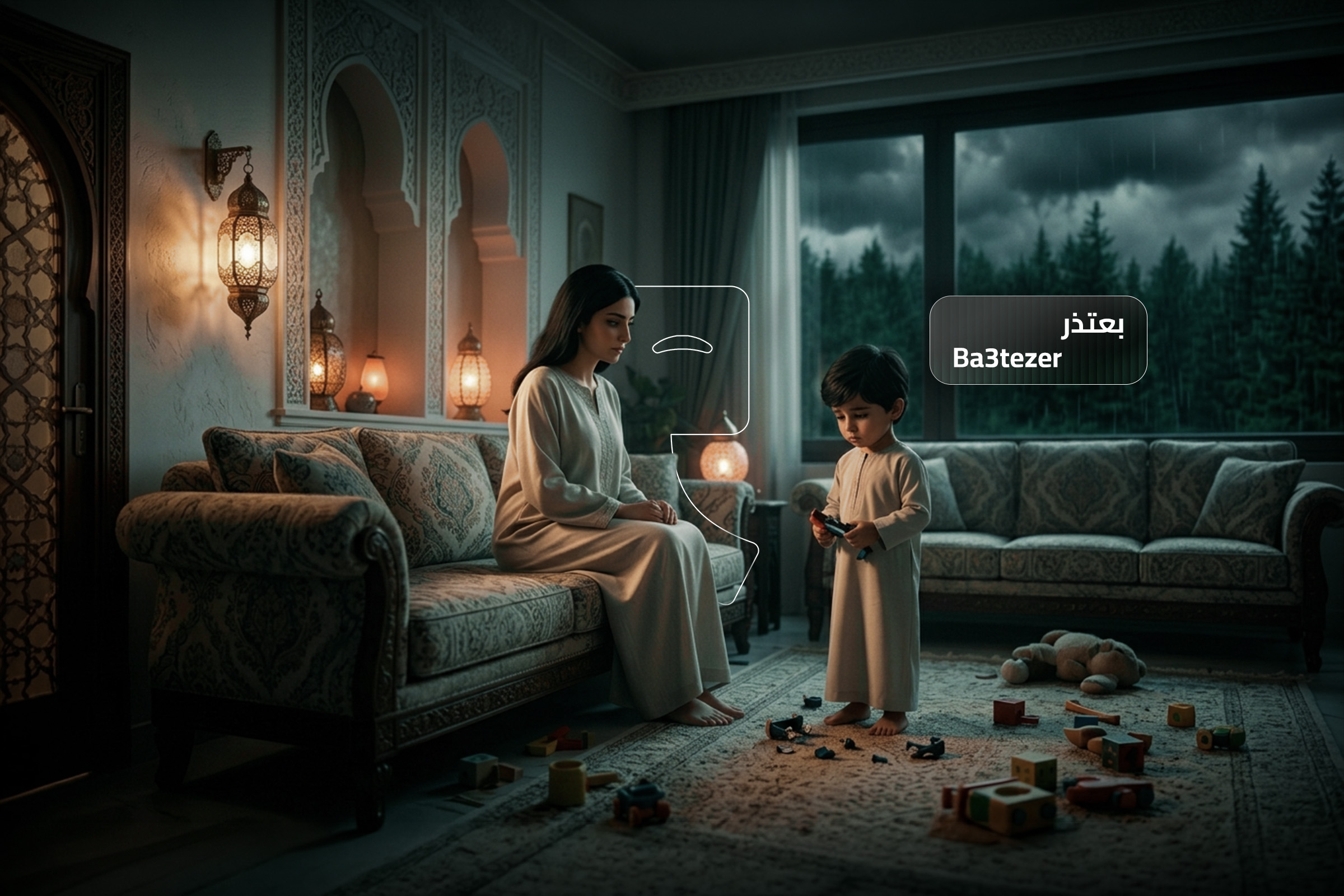
بعتذر (Ba‘tezer)
👉 I apologize
This is one of the most natural expressions in spoken Arabic, especially in Syria, Lebanon, and Jordan.
It sounds softer and more polite than just “Asef.”
📌 Example:
Ba‘tezer ‘ala ta’khiri
👉 I apologize for being late
✔ This is a very common phrase taught in SRA spoken Arabic lessons.
3. When You Want to Sound Softer
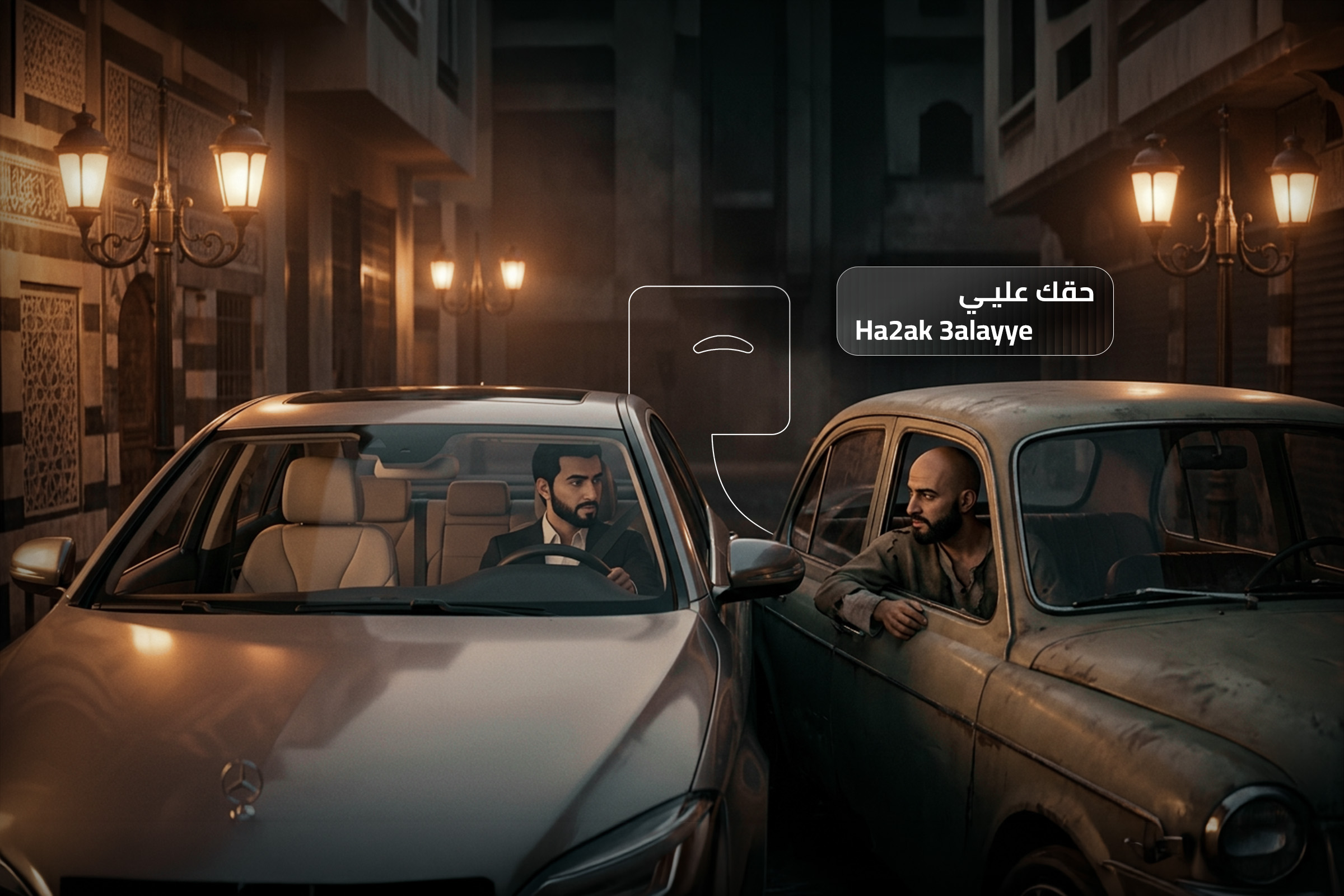
حقك عليي (Ha’ak ‘alayye)
👉 It’s my fault / I owe you an apology
This is a warm and very natural Levantine expression.
📌 Example:
Ha’ak ‘alayye, ma entebah’t
👉 My bad, I didn’t notice
It is often used in friendly relationships and everyday conversations.
4. Very Casual Apologies
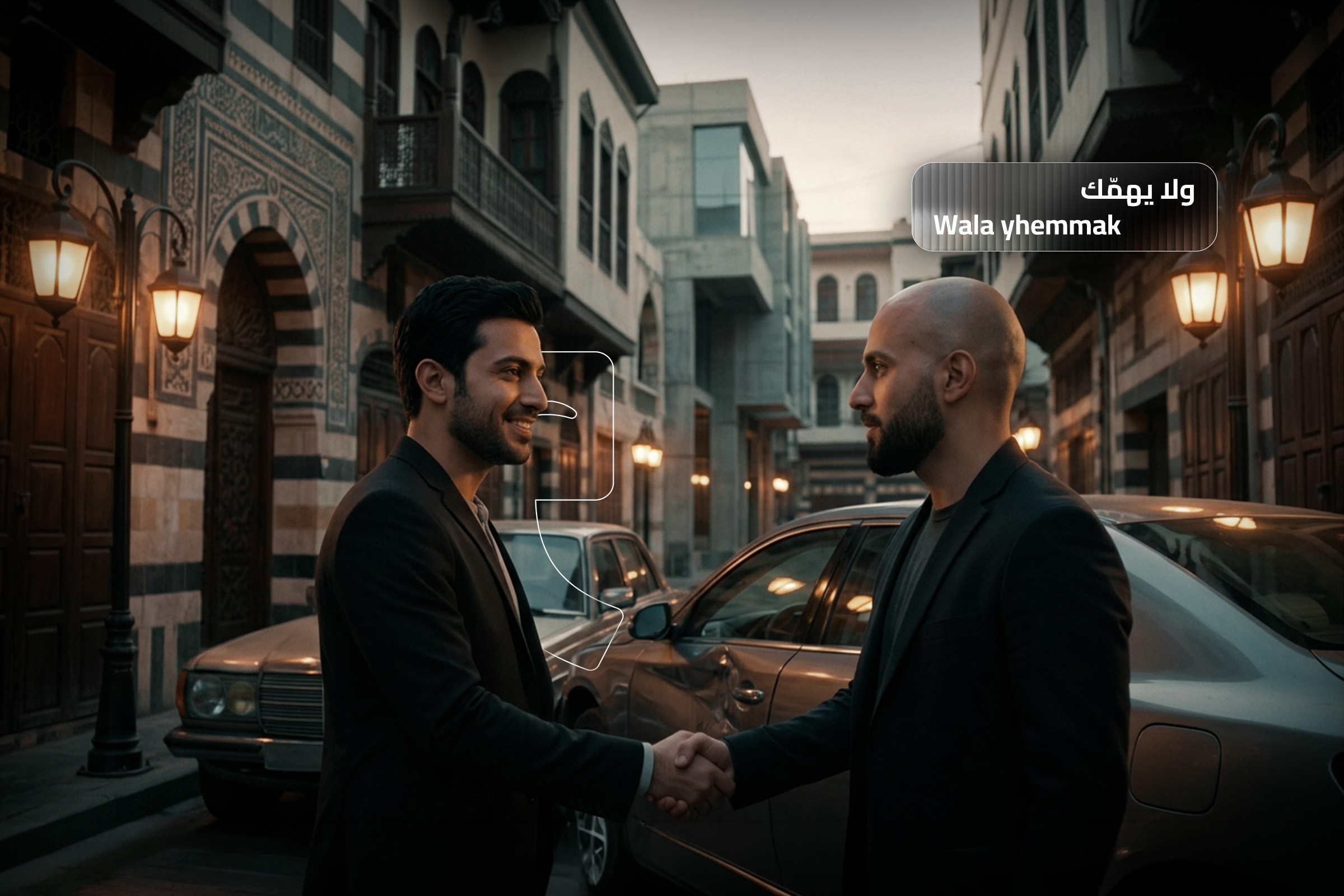
معلش (Ma‘lesh)
👉 It’s okay / sorry / no problem
ولا يهمك (Wala yhemmak)
👉 Don’t worry about it
⚠️ Note:
“Ma‘lesh” is very flexible—it can mean apology or reassurance depending on tone.
📌 Example:
Ma‘lesh, bitseer khayr
👉 It’s okay, it happens
5. Stronger Apologies (When You Really Mean It)
عنجد أنا آسف (Anjad ana asef) \
👉 I’m really sorry
سامحني / سامحيني (Samehni / Sameheeni)
👉 Forgive me
📌 Example:
Samehni, ma kan qasdi
👉 Forgive me, I didn’t mean it
These expressions show deeper emotion and sincerity.
6. How Native Speakers Actually Apologize
In real conversations, people rarely use just one phrase.
They often combine expressions:
👉 والله أنا آسف، ما كان قصدي
(Wallah ana asef, ma kan qasdi)
👉 I swear I’m sorry, I didn’t mean it
👉 بعتذر كتير، صار معي ظرف
(Ba‘tezer kteer, sar ma‘i zarf)
👉 I’m really sorry, something came up
At Speak Real Arabic, we always teach learners to use full natural sentences—not isolated words so they sound like real speakers.
7. Common Mistakes Learners Make
❌ Using only “Asef” all the time
✔ Native speakers vary expressions naturally
❌ Sounding too direct
✔ Arabic often prefers softer phrasing
❌ Ignoring tone
✔ Tone and body language are essential in Arabic communication
8. Cultural Tip: Apologies in Arabic Culture
In Arab culture, relationships are very important.
A good apology is not just about words—it’s about:
Tone
Respect
Showing sincerity
Sometimes a simple phrase like:
👉 حقك عليي
can feel more powerful than a direct “sorry.”
9. Quick Summary: Arabic Apology Cheat Sheet
🟡 Asef / Asfeh → Sorry
🟡 Ba‘tezer → I apologize
🟡 Ha’ak ‘alayye → My fault
🟡 Samehni → Forgive me
🟡 Ma‘lesh → Sorry / It’s okay
10. How to Respond to an Apology in Arabic
Apologies are important,but responses are just as important.
Common responses:
عادي (3adi)
👉 It’s okay
ولا يهمك (Wala yhemmak)
👉 Don’t worry about it
ما في مشكلة (Ma fi mushkileh)
👉 No problem
مسامحك (Msamheki / Msamhak)
👉 I forgive you
📌 Example:
Person A: Ba‘tezer kteer, ta’akhart
Person B: Wala yhemmak, 3adi
👉 I’m sorry I’m late
👉 Don’t worry, it’s okay
11. How to Apologize in Different Situations
📍 Small mistakes:
👉 Ma‘lesh
📍 Being late:
👉 Ba‘tezer ‘ala ta’khir
📍 Interrupting someone:
👉 3an eznak (Excuse me)
📍 Serious situations:
👉 Samehni, ana ghalatet
👉 Forgive me, I made a mistake
12. Body Language and Tone in Arabic Apologies
In Arabic communication, tone is everything.
Native speakers often:
Lower their voice
Use eye contact
Speak gently
Adding words like:
👉 والله (Wallah)
can increase sincerity.
📌 Example:
Wallah ana asef
👉 I swear I’m sorry
13. Formal vs Spoken Arabic
🧑💼 Formal Arabic:
👉 أعتذر (A‘taẓer)
🗣️ Spoken Arabic (used daily):
👉 بعتذر (Ba‘tezer)
At SRA, we always focus on spoken Arabic because it’s what people actually use in real life.
14. Apologizing Without Saying “Sorry”
Native speakers often avoid direct apology words:
Ma kan qasdi → I didn’t mean it
Sar ma‘i zarf → Something came up
These are extremely common in everyday Arabic conversations.
15. Practice Tip
To sound natural in Arabic, don’t memorize single words.
Instead, practice full phrases:
👉 بعتذر كتير ، ما كان قصدي
Ba‘tezer kteer, wallah ma kan qasdi
👉 حقك عليي، ما انتبهت
Ha’ak ‘alayye, ma entebah’t
This is the fastest way to sound like a native speaker.
Conclusion
Learning how to apologize in Arabic is not just about translating “sorry.”
It’s about understanding how people actually communicate in real life.
If you want to sound natural, focus on spoken Arabic، not textbook Arabic.
At Speak Real Arabic, we help you move beyond translation into real communication used by native speakers every day.
Start using these phrases in your conversations, and you’ll quickly sound more natural, fluent, and confident in Arabic.
Also Read:
🌟Join the VIP Membershipand experience Arabic the way it’s truly lived.
🌟Start Zero to 15 Minutes, of real Arabic, without grammar stress,Explore the Course
🌟 How to Say Thank You in Arabic (Real Spoken Arabic Guide).Read more


