
How to Say Thank You in Arabic (Real Spoken Arabic Guide)
“Thank you” is one of the most important phrases you can learn in any language. But if you're wondering how to say thank you in Arabic, the answer is much richer than just one word.
In real life, especially in Syrian and Levantine Arabic, people use a variety of warm, expressive phrases that reflect connection, kindness, and culture not just vocabulary.
At Speak Real Arabic (SRA), we focus on helping you speak Arabic the way people actually use it in everyday conversations.
How to Say Thank You in Arabic (Real Spoken Arabic Guide)
The Most Common Way to Say Thank You in Arabic
How to Say Thank You in Spoken Arabic (Syrian & Levantine)
⭐ الله يسلمك / يسلمِك (Allah ysalmak / ysalemik)
More Ways to Express Gratitude in Arabic
🌿 يعطيك العافية (Ya‘teek al-‘afyeh)
🌿 ممنونك كتير (Mamnoonak kteer)
How to Respond to “Thank You” in Arabic
When Do People Say Thank You in Arabic?
Formal vs Spoken Arabic: What’s the Difference?
Tips to Sound Natural in Arabic
What is the most common way to say thank you in Arabic?
How do Syrians say thank you in everyday life?
What is a polite response to thank you in Arabic?
Is “Merci” really used in Arabic?
The Most Common Way to Say Thank You in Arabic
The most widely used phrase is:
شكراً (Shukran)
Meaning: Thank you
This is Modern Standard Arabic (MSA), and it works in all Arabic-speaking countries. You can safely use it in both formal and casual situations.
However, if you only use “Shukran,” your Arabic may sound a bit textbook-like.
In real conversations, native speakers often use more natural and expressive alternatives.
How to Say Thank You in Spoken Arabic (Syrian & Levantine)
If your goal is to sound natural, you need to learn spoken Arabic—not just formal phrases.
Here are the most common ways Syrians and Levantine speakers actually say thank you:
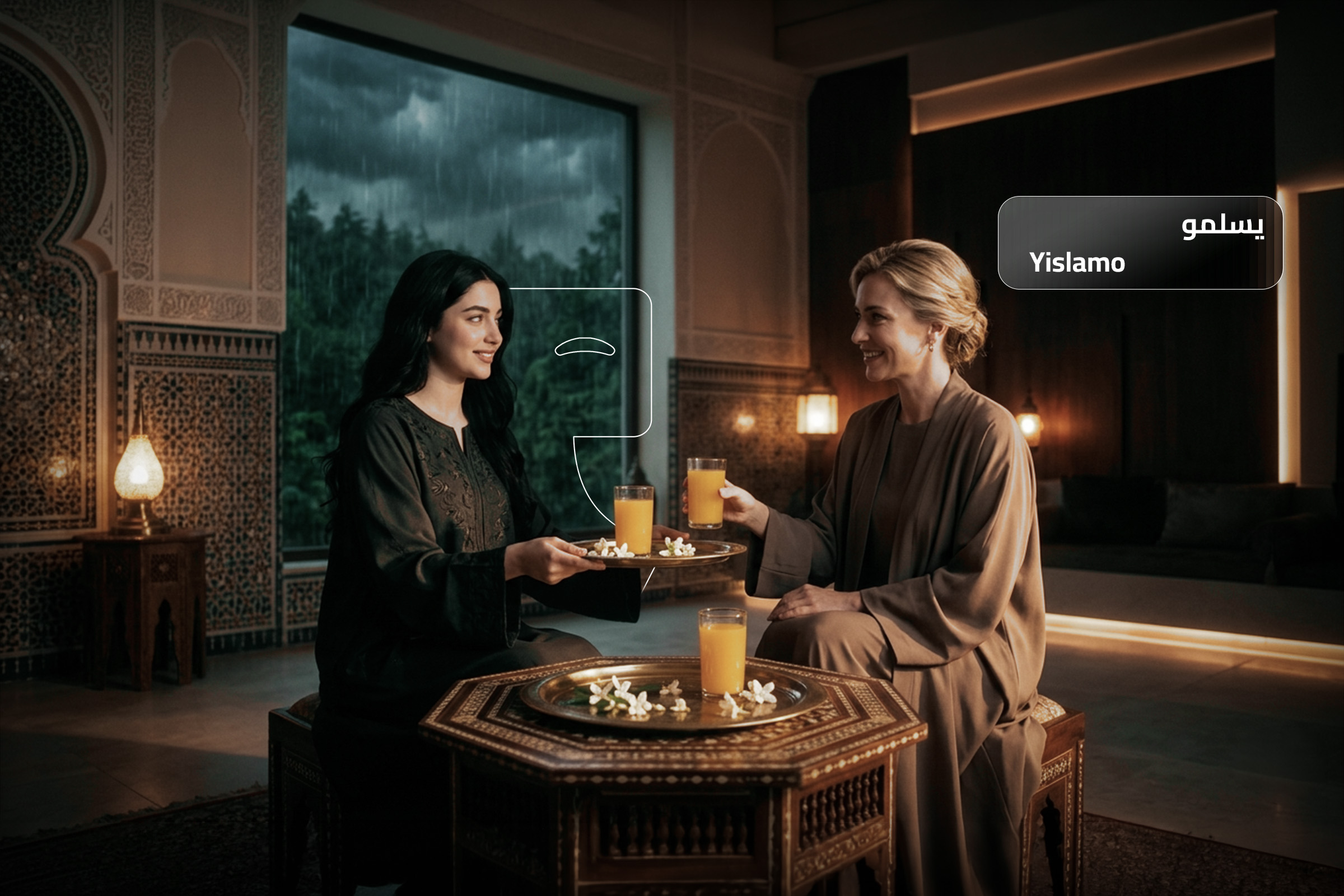
⭐ يسلمو (Yislamo)
One of the most popular expressions in Syrian Arabic.
It comes from the idea of “may your hands be safe,” and it’s used in everyday situations.
Example:
Someone brings you coffee
→ Yislamo!
It feels friendly, warm, and very natural.
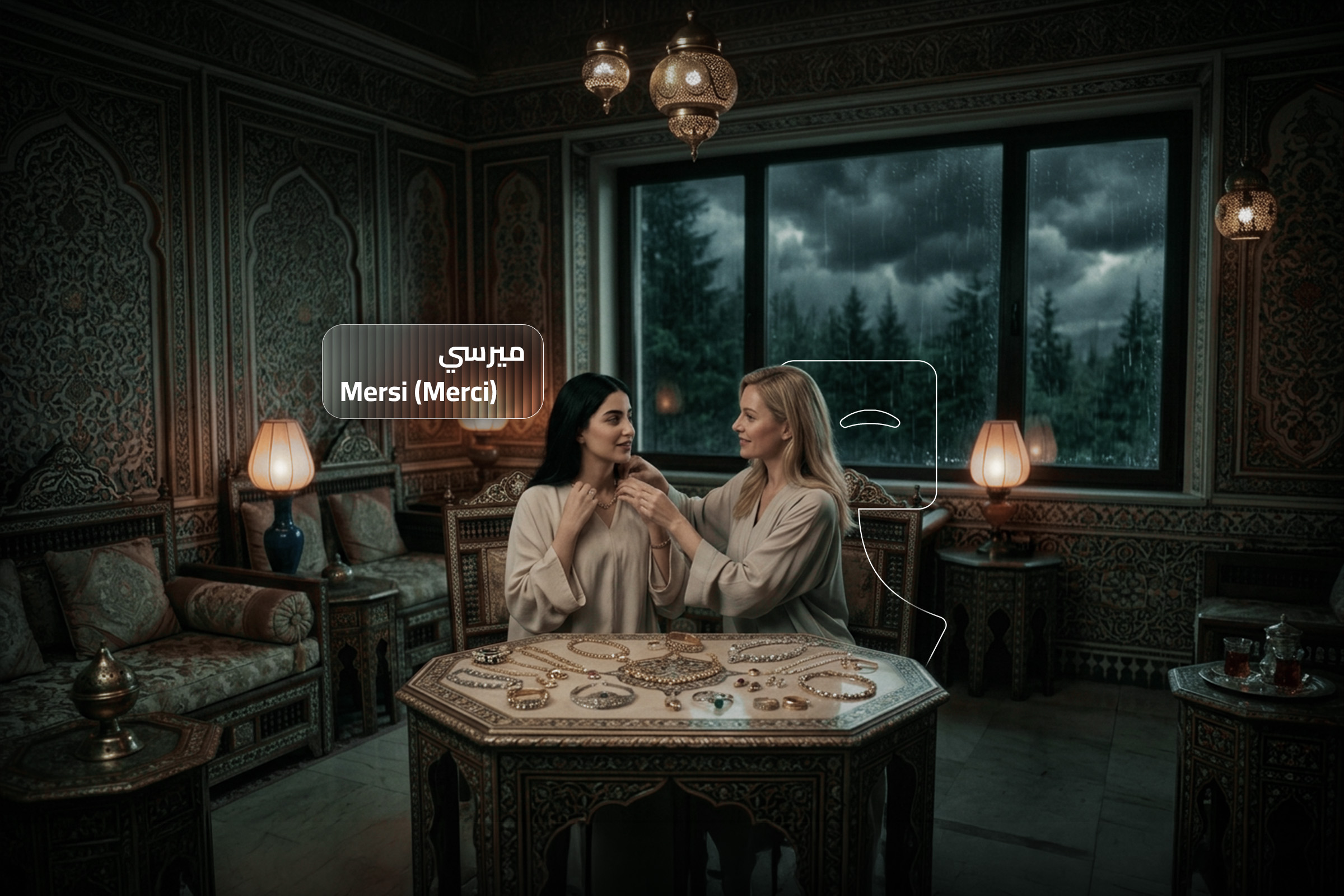
⭐ ميرسي (Merci)
Yes, just like French.
In Syria and Lebanon, “Merci” is widely used in casual speech. It’s simple, quick, and extremely common.
You’ll hear it everywhere in daily conversation.

⭐ الله يسلمك / يسلمِك (Allah ysalmak / ysalemik)
Meaning: May God keep you safe
This phrase is often used:
As a response to “thank you”
Or to express deeper appreciation
It adds a cultural and emotional layer to your speech.
More Ways to Express Gratitude in Arabic
To sound even more natural, here are additional expressions used in real life:
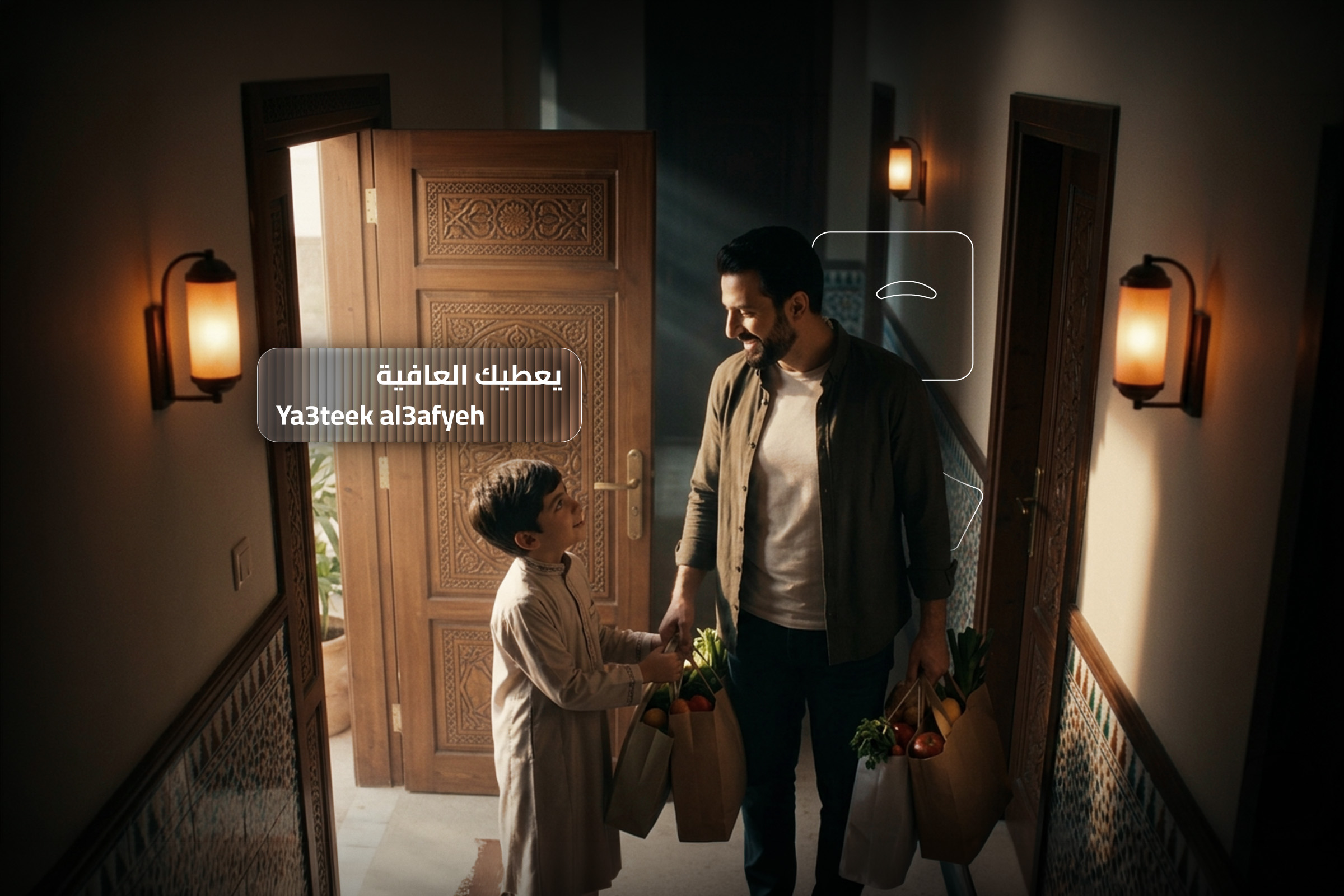
🌿 يعطيك العافية (Ya‘teek al-‘afyeh)
Meaning: May God give you health
Used when someone makes effort:
🟡 cooking
🟡 helping
🟡 working
It shows appreciation for effort, not just the result.
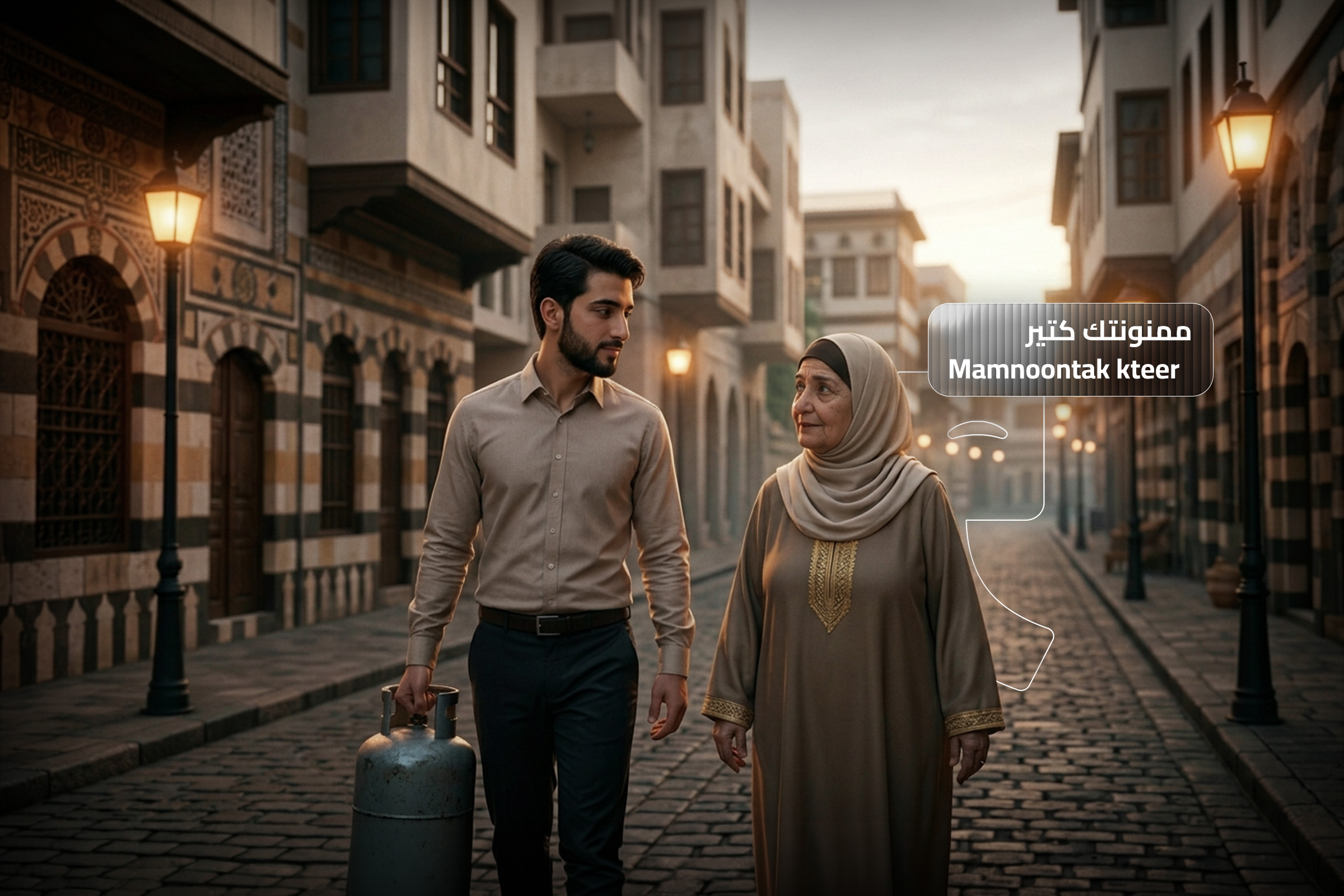
🌿 ممنونك كتير (Mamnoonak kteer)
Meaning: I’m very grateful
More emotional and heartfelt than “Shukran.”
Great for situations where you want to express deeper gratitude.
How to Respond to “Thank You” in Arabic
In Arabic culture, conversations often come in pairs. If someone thanks you, you’re expected to respond.
Here are the most natural responses:
🟣 عفواً (Afwan) → You’re welcome
🟣 ولا يهمك (Wala yhemmak) → No worries
🟣 على راسي (Ala rasi) → My pleasure
🟣 الله يخليك (Allah ykhalleek) → Bless you / Much appreciated
Using these responses makes your Arabic sound more fluent and culturally aware.
When Do People Say Thank You in Arabic?
In Arabic-speaking cultures, gratitude is part of daily life.
People commonly say thank you when:
✔ someone offers coffee
✔ food is shared
✔ help is given
✔ kindness is shown
But what makes Arabic unique is how often and how warmly people express gratitude.
You might hear multiple expressions in one interaction:
✔ “Yislamo!”
✔ “Allah ykhalleek!”
✔ “Mamnoonak kteer!”
This repetition is not exaggeration—it’s a sign of sincerity and warmth.
Formal vs Spoken Arabic: What’s the Difference?
Understanding this difference is key if you want to sound natural.
✔️ Formal Arabic (MSA)
Shukran
Neutral, correct, widely understood
✔️ Spoken Arabic (Levantine)
Yislamo → friendly
Merci → casual
Mamnoonak → emotional
Think of it this way:
Shukran = correct Arabic
Spoken expressions = real Arabic
At SRA, we help you move from textbook Arabic to real-life communication.
Real-Life Mini Dialogue
👩 Person A: جبتلك عصير
(I brought you juice)
👩 Person B: يسلمو!
(Yislamo!)
👩 Person A: الله يسلمك
(Allah ysalmak)
This is exactly how natural Arabic conversations sound.
Tips to Sound Natural in Arabic
If you want to improve your spoken Arabic quickly:
Start with Shukran
Use Yislamo in daily conversations
Learn how to respond (Afwan, Wala yhemmak…)
Pay attention to tone and context
Most importantly, don’t just memorize, listen and practice real usage.
FAQ
What is the most common way to say thank you in Arabic?
The most common phrase is Shukran, and it works everywhere in the Arab world.
How do Syrians say thank you in everyday life?
They commonly use Yislamo, Merci, and Tislam, depending on the situation.
What is a polite response to thank you in Arabic?
You can say Afwan, Wala yhemmak, or Allah ykhalleek.
Is “Merci” really used in Arabic?
Yes. In Syria and Lebanon, it’s extremely common in everyday speech.
Can learners use these phrases in real conversations?
Absolutely. These are authentic expressions used daily by native speakers.
Conclusion
Learning how to say thank you in Arabic is more than memorizing a word, it’s about understanding how people connect.
Real Arabic is warm, expressive, and full of life.
At Speak Real Arabic, we help you go beyond correct Arabic and start speaking naturally and confidently.
Because Arabic is not just something you study.
It’s something you live.
Continue Learning Syrian Arabic:
🌟 Real Arabic is lived through moments, a philosophy reflected inThe Syrian Encounters.
🌟How to Say “No” in Arabic (Shami Arabic Guide to Saying No Politely). Read more
🌟 Start Zero to 15 Minutes, of real Arabic, without grammar stress,Explore the Course


