How to Say “No” in Arabic (Shami Arabic Guide to Saying No Politely)
Saying “no” is one of the hardest things to do, in any language.
But in Arabic, especially in Shami Arabic, saying no is not just about the word itself. It’s about tone, politeness, and respect.
In Syrian culture, people often avoid direct refusal. Instead, they choose softer, more indirect expressions to keep the conversation warm and friendly.
At Speak Real Arabic, we focus on these real-life moments, because knowing how to say “no” naturally is just as important as knowing how to say “yes.”
How do you say “no” in Arabic?
The most direct way to say no in Arabic is:
لا (La)
This is standard Arabic and is understood everywhere.
However, in spoken Arabic—especially in Syria and the Levant—people rarely use “La” on its own in everyday conversations.
Why?
Because it can sound too direct in certain situations.
How Syrians Actually Say “No” (Spoken Arabic)
To sound natural, you need to soften your response.
Here are the most common expressions used in Syrian Arabic:
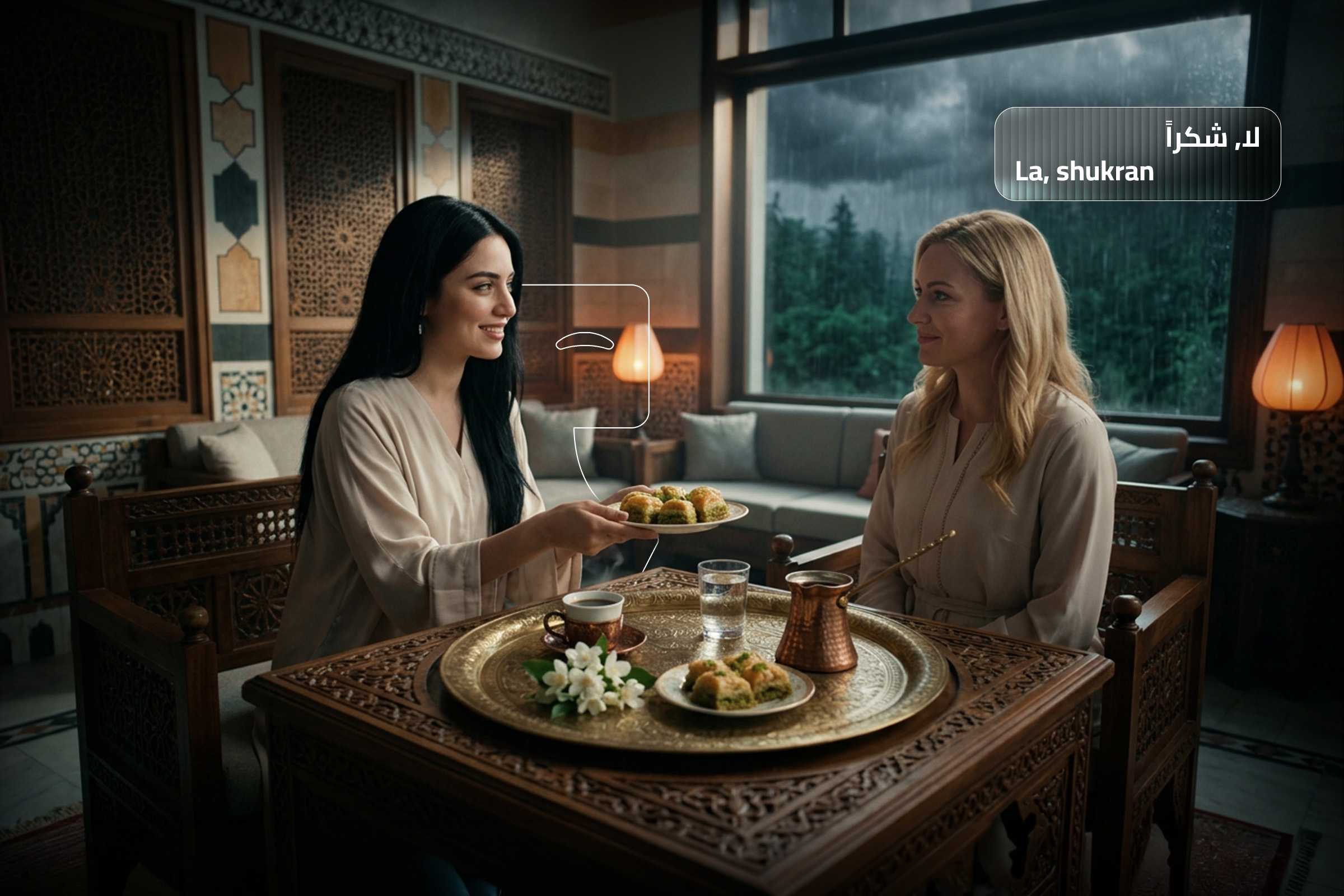
⭐ لا، شكراً (La, shukran)
Meaning: No, thank you
The safest and most polite way to refuse.
👉 Example:
Someone offers you food
You say: La, shukran
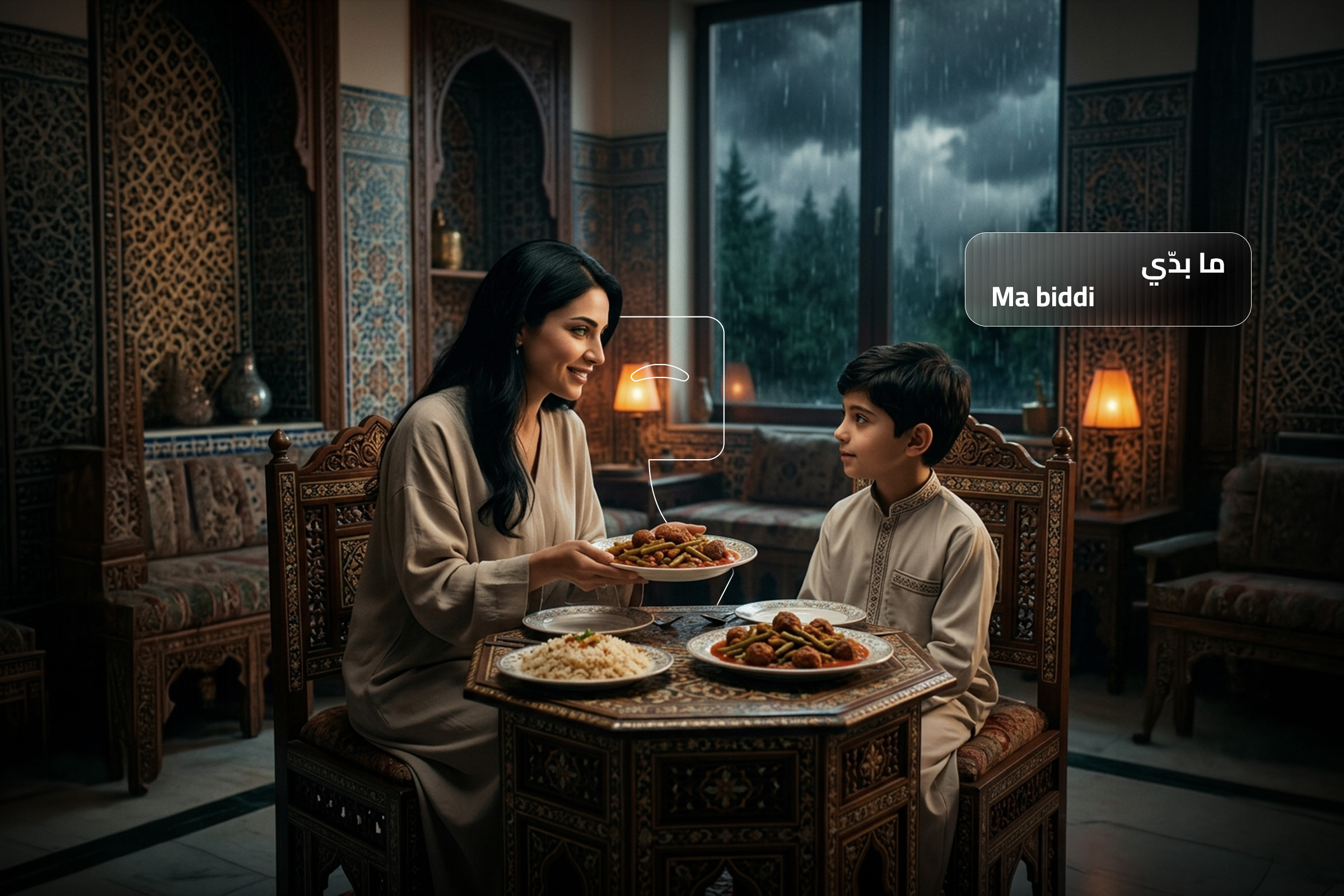
⭐ ما بدي (Ma biddi)
Meaning: I don’t want
Very common in daily conversation.
👉 Example:
“بدك قهوة؟”
→ Ma biddi
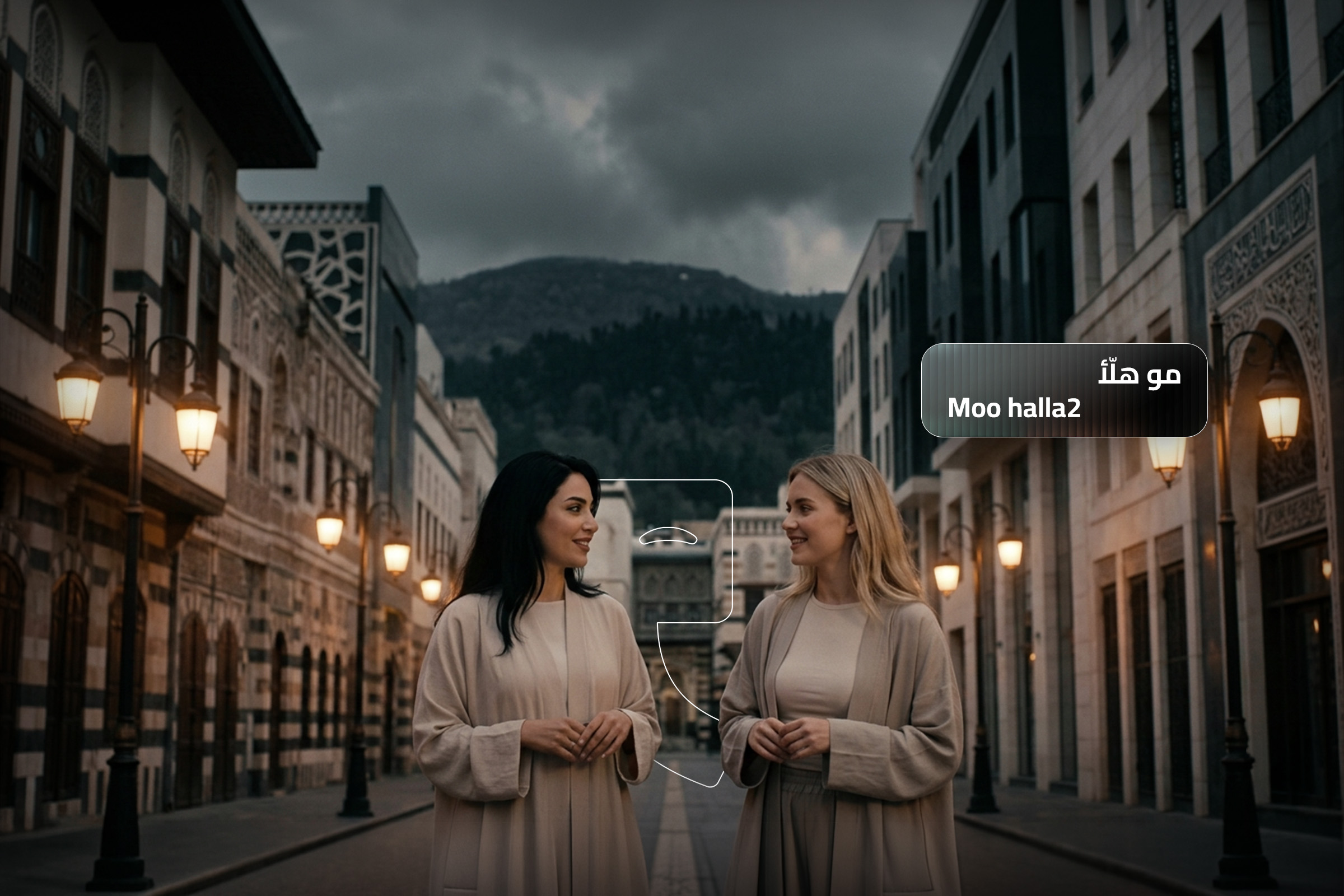
⭐ مو هلأ (Moo halla’)
Meaning: Not now
A soft, indirect response when you don’t want to refuse completely.
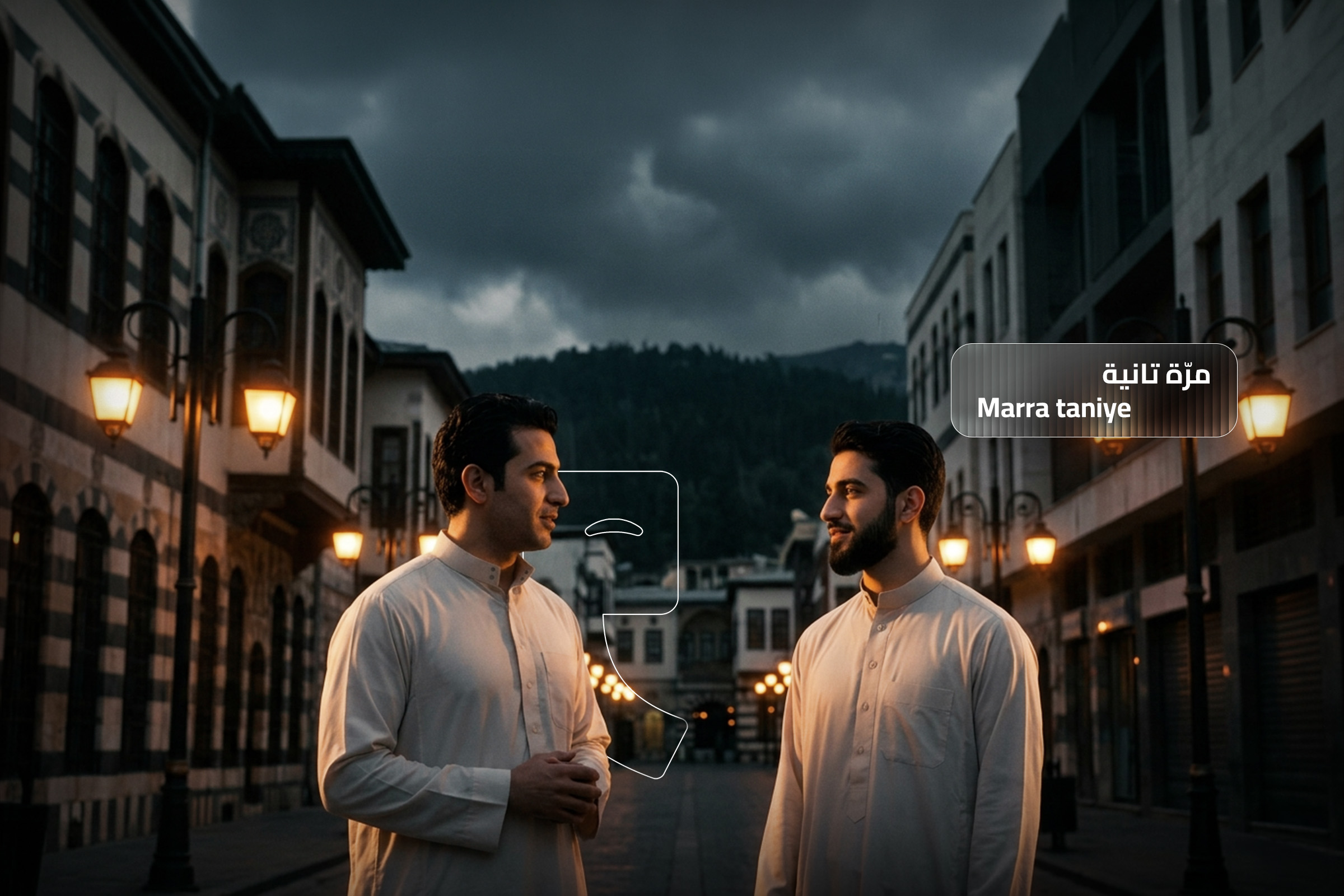
⭐ مرة تانية (Marra taniye)
Meaning: Another time
A very common polite way to say no indirectly.
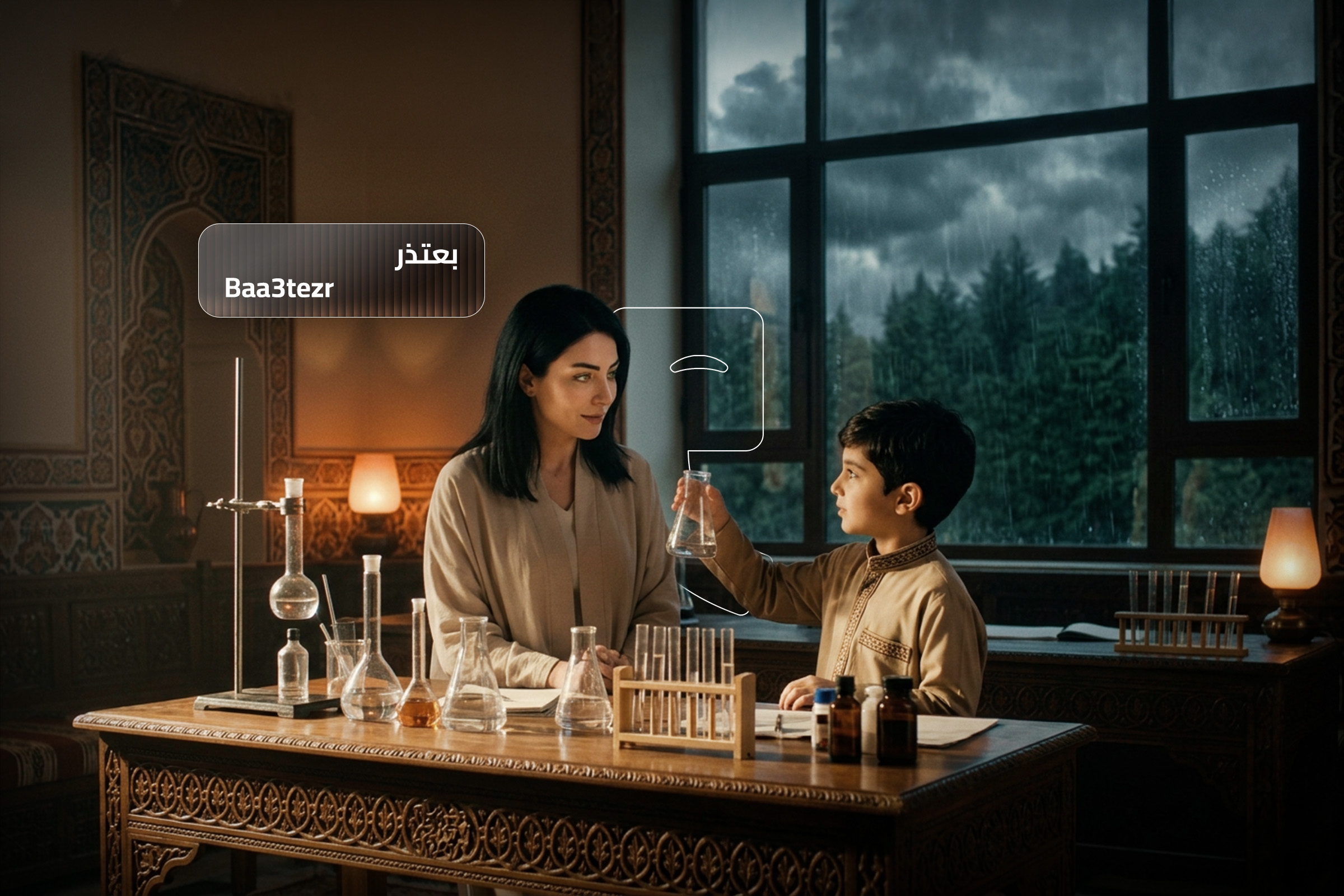
⭐ بعتذر (Baa‘tezr)
Meaning: I apologize
Used in more formal or respectful situations.
Why Saying “No” Feels Different in Arabic Culture
In Syrian culture, communication is built on warmth and connection.
Instead of direct refusal, people often:
✔ soften their words
✔ give a simple reason
✔ offer an alternative
This helps maintain respect and keeps the interaction positive.
For example, instead of saying “no,” someone might say:
👉 “Marra taniye inshallah”
(Maybe next time)
How Tone Changes Everything
Using the right words is important, but how you say them matters just as much.
The same phrase can feel polite or cold depending on your tone.
For example:
Saying “La, shukran” with a smile sounds friendly and respectful.
But saying it quickly or without expression might feel distant.
In Syrian culture, people pay attention to:
your tone of voice
your facial expressions
your body language
A natural response often includes warmth.
👉 Example:
“La, shukran, wallah kteer tayyeb bas ana shab‘aneh”
(No, thank you, it looks really delicious but I’m full)
This kind of response feels genuine and socially appropriate.
When Syrians Avoid Saying “No” Directly
In many situations, people don’t say “no” at all.
Instead, they might use:
delays
polite excuses
indirect responses
This is not confusion, it’s a cultural way of being polite.
Understanding this helps you:
avoid misunderstandings
respond naturally
feel more confident in conversations
Real-Life Mini Dialogue
👩 Person A: بدك كاتو؟
(Do you want cake?)
👩 Person B: لا شكراً، شبعت
(No, thank you, I’m full)
👩 Person A: طيب مرة تانية
(Okay, another time)
Common Mistakes Learners Make
Many learners translate directly from English, which can sound unnatural in Arabic.
For example:
Saying only “La” in a social situation may feel too abrupt.
Also, saying “Ma biddi” without any softening can sometimes sound stronger than intended.
A more natural response would be:
🟡 La, shukran
🟡 Ma biddi, shukran
🟡 Marra taniye
Another common issue is not adding a reason.
In Syrian culture, a simple explanation makes your response feel more polite:
👉 “La, shukran, shab‘aneh”
(No, thank you, I’m full)
These small details make a big difference in how your message is received.
Tips for Saying No Naturally in Arabic
If you're learning spoken Arabic, keep these tips in mind:
🟣 Don’t rely on “La” alone in most situations
🟣 Add politeness (like shukran)
🟣 Use soft, indirect expressions when needed
🟣 Pay attention to tone and body language
At Speak Real Arabic, we help you move beyond translation and into real communication.
Conclusion
Learning how to say “no” in Arabic is not just about vocabulary.
It’s about understanding tone, culture, and human connection.
At Speak Real Arabic, we help you speak Arabic the way it is truly used—naturally, confidently, and respectfully.
Because real Arabic is not just something you learn.
It is something you live.
Also Read:
🌟 Real Arabic is lived through moments, a philosophy reflected inThe Syrian Encounters.
🌟 Start Zero to 15 Minutes, of real Arabic, without grammar stress,Explore the Course
🌟 Discover what to say after a sneeze in Arabic here!


