
How to Say “God Bless You” in Arabic (And What to Say After a Sneeze)
If you’ve ever heard someone say “God bless you” after a sneeze, you know the phrase carries warmth and kindness. It’s a small expression, but it reflects care, politeness, and shared social habits.
But what about Arabic?
Many learners wonder how to say “God bless you” in Arabic, and the answer reveals something fascinating about Arabic culture. In Arabic-speaking societies, expressions of blessing are deeply woven into everyday language. People often use phrases that mention God when expressing gratitude, kindness, or good wishes.
At Speak Real Arabic, we believe learning Arabic is not just about memorizing vocabulary. It’s about understanding how people actually speak and interact. Phrases like these help learners connect with the real rhythm of Arabic conversations.
In this article, we’ll explore how to say “God bless you” in Arabic, what Arabs say after sneezing, and how these expressions reflect the cultural richness of the language.
How to Say “God Bless You” in Arabic
One of the most common phrases that expresses a blessing in Arabic is:
✔ الله يبارك فيك
Allah ybārek fīk
This phrase literally means:
“May God bless you.”
It is commonly used when someone wants to express appreciation, gratitude, or admiration.
For example, if someone compliments you or thanks you, replying with “Allah ybārek fīk” shows humility and kindness.
Another similar phrase is:
✔ بارك الله فيك
Bārak Allāh fīk
Both expressions carry the same meaning and reflect a cultural tradition of invoking blessings in everyday speech.
At Speak Real Arabic, learners often discover that Arabic communication includes many expressions that combine language with cultural values such as respect, gratitude, and generosity.
What Do Arabs Say After Sneezing 🤧?
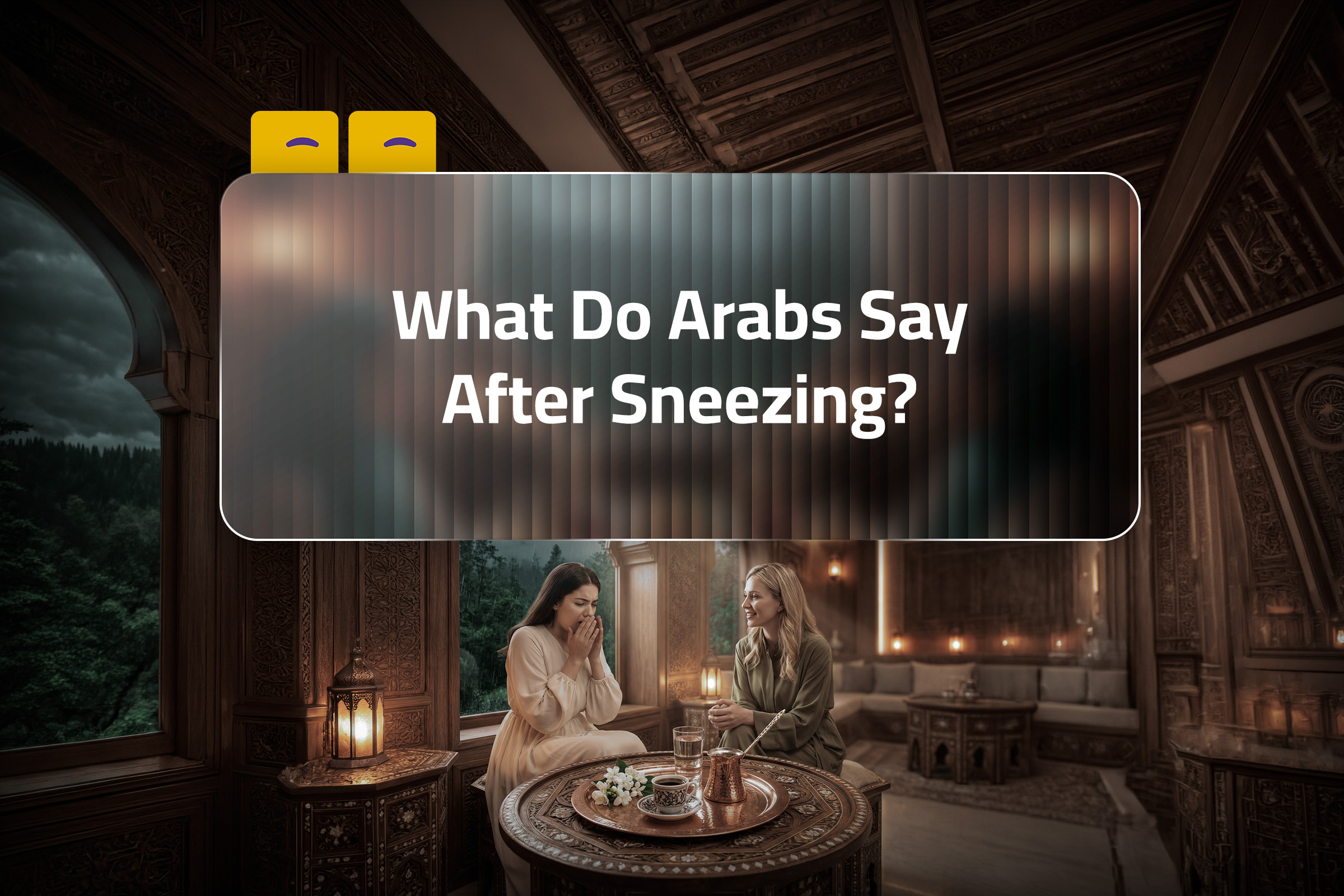
Interestingly, the Arabic equivalent of “God bless you” after sneezing is slightly different.
In many Arabic-speaking cultures, there is a small conversational exchange after someone sneezes.
Here is how it usually works:
Person who sneezes:
✔ الحمد لله
Al-ḥamdu lillāh
“Praise be to God.”
Listener responds:
✔ يرحمك الله
Yarḥamuk Allāh
“May God have mercy on you.”
Final response:
✔ يهديكم الله ويصلح بالكم
Yahdīkum Allāh wa yuṣliḥ bālakum
“May God guide you and bring you peace.”
This exchange reflects a cultural tradition of politeness and mutual goodwill. Even a simple sneeze becomes a moment of connection between people.
Learning these interactions is exactly the kind of real-life Arabic that learners explore at Speak Real Arabic.
Blessings in Arabic Culture
Expressions that include blessings are extremely common in Arabic.
Instead of simple phrases like “thanks” or “good job,” Arabic speakers often use expressions that wish goodness upon others.
Some examples include:
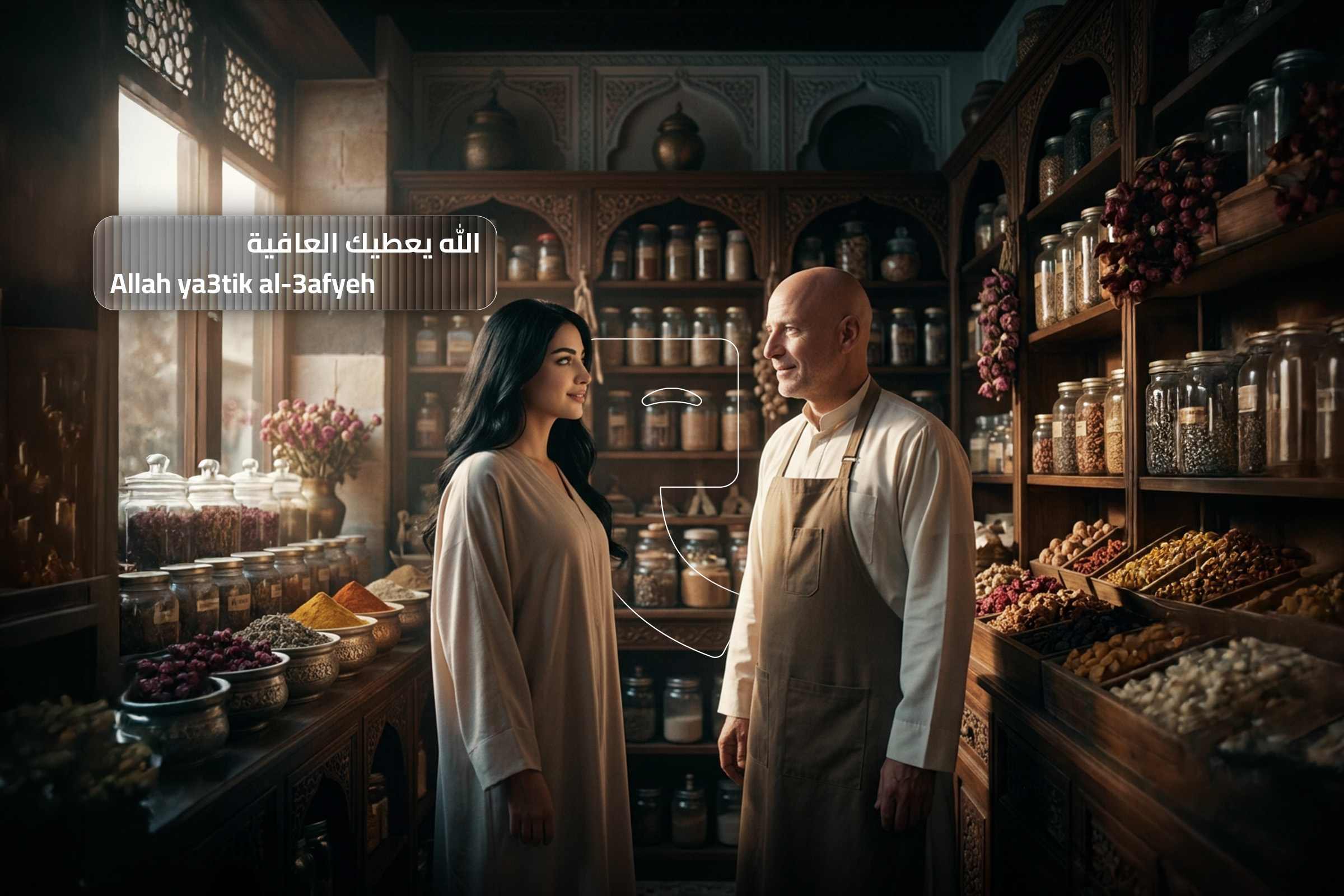
⭐ الله يعطيك العافية
Allah yʿaṭīk al-ʿāfyeh
“May God give you health.”
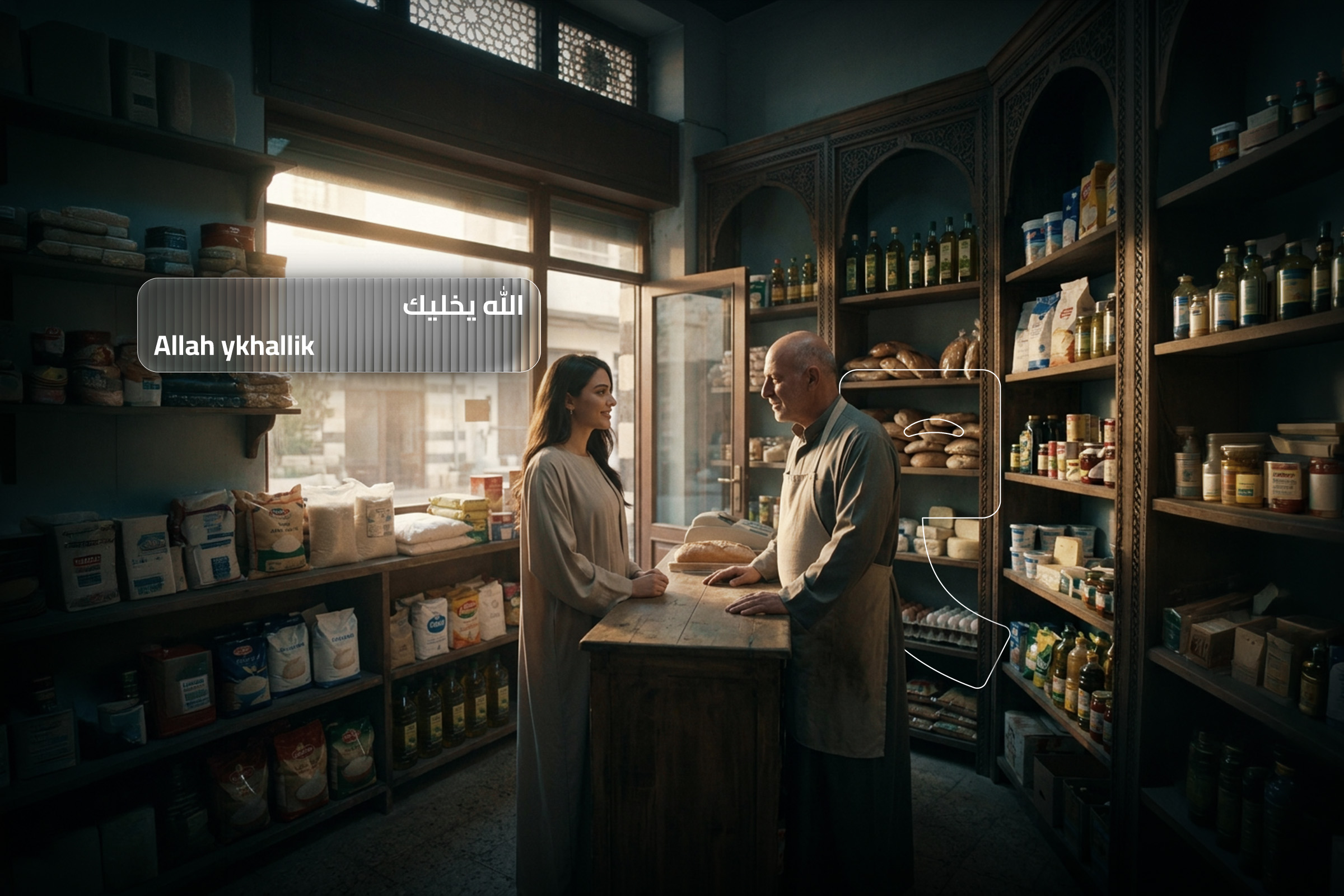
⭐ الله يخليك
Allah ykhallīk
“May God protect you.”
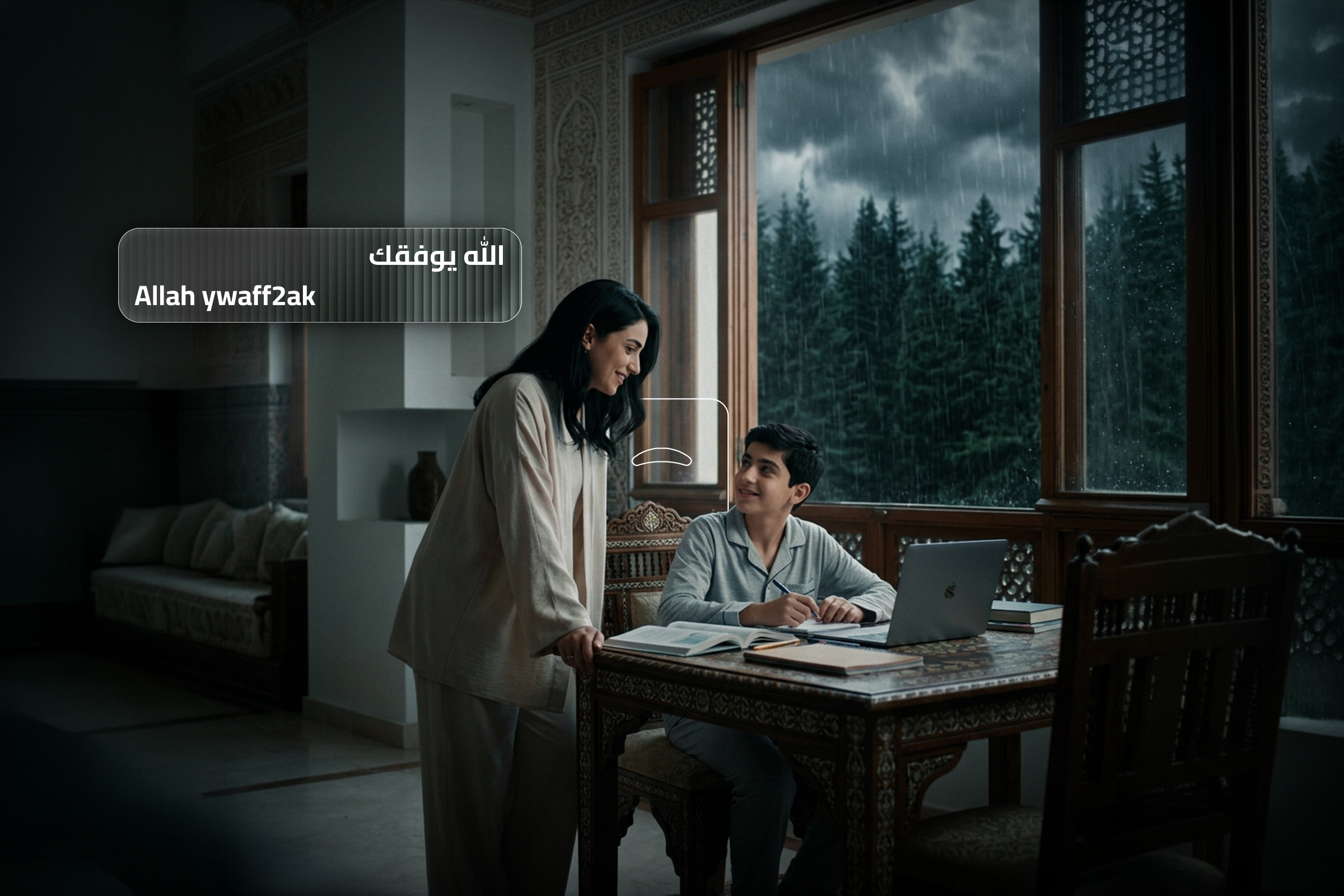
⭐ الله يوفقك
Allah ywaffʾak
“May God grant you success.”
These phrases highlight something unique about Arabic communication: language is not only functional, it’s also emotional and relational.
People use blessings to strengthen social bonds and express goodwill.
This cultural dimension is a core part of the philosophy behind Speak Real Arabic, where language learning focuses on real human interaction rather than abstract grammar rules.
Blessings in Different Arabic Dialects
Arabic is spoken across many regions, and pronunciation can vary slightly between Arabic dialects. While the meaning of common blessing phrases remains the same, the way they are pronounced may change depending on the country.
For example, the phrase الله يبارك فيك (May God bless you) appears in several dialects:
⭐ Levantine Arabic (Syria, Lebanon, Jordan, Palestine)
Allah ybārek fīk
⭐ Egyptian Arabic
Allah yebarek feek
⭐ Gulf Arabic
Allah ybārik fīk
These small pronunciation differences are normal across spoken Arabic dialects. The important thing for learners to know is that expressions like Allah ybārek fīk and Yarḥamuk Allāh are widely understood throughout the Arabic-speaking world.
Learning these widely used phrases helps learners communicate more easily, even when they encounter different Arabic accents.
Why Blessing Phrases Are Important for Arabic Learners
Understanding phrases like “Allah ybārek fīk” helps learners go beyond vocabulary lists.
It helps them understand:
🟣 politeness in Arabic culture
🟣 everyday social interactions
🟣 how Arabs express gratitude and kindness
These phrases also make conversations feel more natural.
Imagine learning Arabic but never understanding what people say after sneezing, thanking someone, or wishing success. Small expressions like these are what make a language feel alive.
That’s why Speak Real Arabic focuses on the real spoken language people use in daily life.
📒 Conclusion
Learning how to say “God bless you” in Arabic opens a window into the deeper cultural traditions of the language.
Expressions like “Allah ybārek fīk” and “yarḥamuk Allāh” are more than translations—they represent a culture where language, kindness, and spirituality often come together.
At Speak Real Arabic, we encourage learners to explore these authentic expressions because they reveal how Arabic is truly spoken in daily life.
When you learn Arabic through real conversations, real phrases, and real culture, the language becomes more than words.
It becomes a connection.
FAQ: God Bless You in Arabic
🟡 What does “Allah ybārek fīk” mean?
It means “May God bless you.” It is used to show appreciation, gratitude, or admiration.
🟡 What do Arabs say after sneezing?
Usually the exchange is:
الحمد لله
يرحمك الله
يهديكم الله ويصلح بالكم
This reflects politeness and goodwill in Arabic culture.
🟡 Is “God bless you” a common expression in Arabic?
Yes. Arabic speakers frequently use blessing expressions that mention God when showing gratitude or kindness.
🟡 Can learners use these phrases in everyday conversation?
Absolutely. Using phrases like Allah yebarek feek helps learners sound more natural and culturally aware.
Also Read:
🌟Join the VIP Membershipand experience Arabic the way it’s truly lived.
🌟 Start Zero to 15 Minutes, of real Arabic, without grammar stress,Explore the Course
🌟 Just like a book fair, real Arabic is lived through moments, a philosophy reflected inThe Syrian Encounters.


