11 Beautiful Syrian Arabic Compliments Every Arabic Learner Should Know
If you want to sound more natural in Syrian Arabic, learning compliments is one of the easiest places to start.
Syrians use compliments every day, not only to praise someone's appearance, but also to express kindness, gratitude, affection, and respect. Expressions like منوّر (Mnawwar), يا روحي (Ya Rouhi), and يسلمو إيديك (Yislamo Ideik) reflect the warmth of Syrian culture and are used in everyday conversations.
In this guide, you'll learn 11 authentic Syrian Arabic compliments, what they really mean, when to use them, and how they can help you sound more natural when speaking with native speakers.
💜 In This Guide, You'll Learn
By the end of this guide, you'll be able to:
✔ Understand what these Syrian Arabic compliments really mean.
✔ Know when native speakers naturally use each expression.
✔ Respond to compliments with confidence.
✔ Discover the cultural meaning behind these everyday phrases.
✔ Sound more natural in spoken Syrian Arabic.
Why Compliments Matter in Syrian Culture
What Makes Syrian Arabic Compliments Different?
The 11 Most Beautiful Syrian Arabic Compliments
1. يا حبيب قلبي (Ya Habib Albi)
3. يسلمو إيديك (Yislamo Ideik)
4. إلك هيبة (Ilak Hēbe)👑 Literal Meaning
6. شو هالجمال؟ (Shu Hal Jamal?)
Cultural Tip: Syrians Compliment Personality as Much as Appearance
Why Compliments Matter in Syrian Culture
One of the first things visitors notice in Syria is how warmly people speak to one another.
Whether you're entering someone's home, meeting an old friend, thanking a family member, or simply greeting a neighbor, compliments naturally become part of the conversation.
In Syrian culture, compliments aren't reserved for special occasions. They're woven into everyday life.Someone cooks lunch?
You'll probably hear:
يسلمو إيديك
A friend gets a haircut?
Someone immediately says:
شو هالجمال!
A guest walks through the door?
Everyone smiles and says:
منوّر!
These expressions create warmth, strengthen relationships, and help people feel welcome.
For Arabic learners, understanding these phrases is just as important as learning grammar. They're the expressions that make conversations feel authentic.
💜 Cultural Note
Unlike English, Syrian Arabic compliments often focus on personality, generosity, and kindness rather than appearance alone.
Complimenting someone's heart, manners, or hospitality is often considered more meaningful than complimenting their looks.
What Makes Syrian Arabic Compliments Different?
Many compliments in Syrian Arabic can't be translated word for word.
For example:
قلبك أبيض literally means Your heart is white, but Syrians understand it as You have a pure heart.
دمك خفيف literally means Your blood is light, but everyone knows it means You're funny and enjoyable to be around.
منوّر literally means Illuminated, yet it's actually a warm way of saying We're happy you're here.
These expressions reflect culture as much as language.
Learning their real meaning, not just their literal translation, will help you sound much more natural when speaking Syrian Arabic.
The 11 Most Beautiful Syrian Arabic Compliments
Rather than memorizing isolated vocabulary, try learning each compliment with its pronunciation, meaning, and real-life context.
That's exactly how native speakers use them.
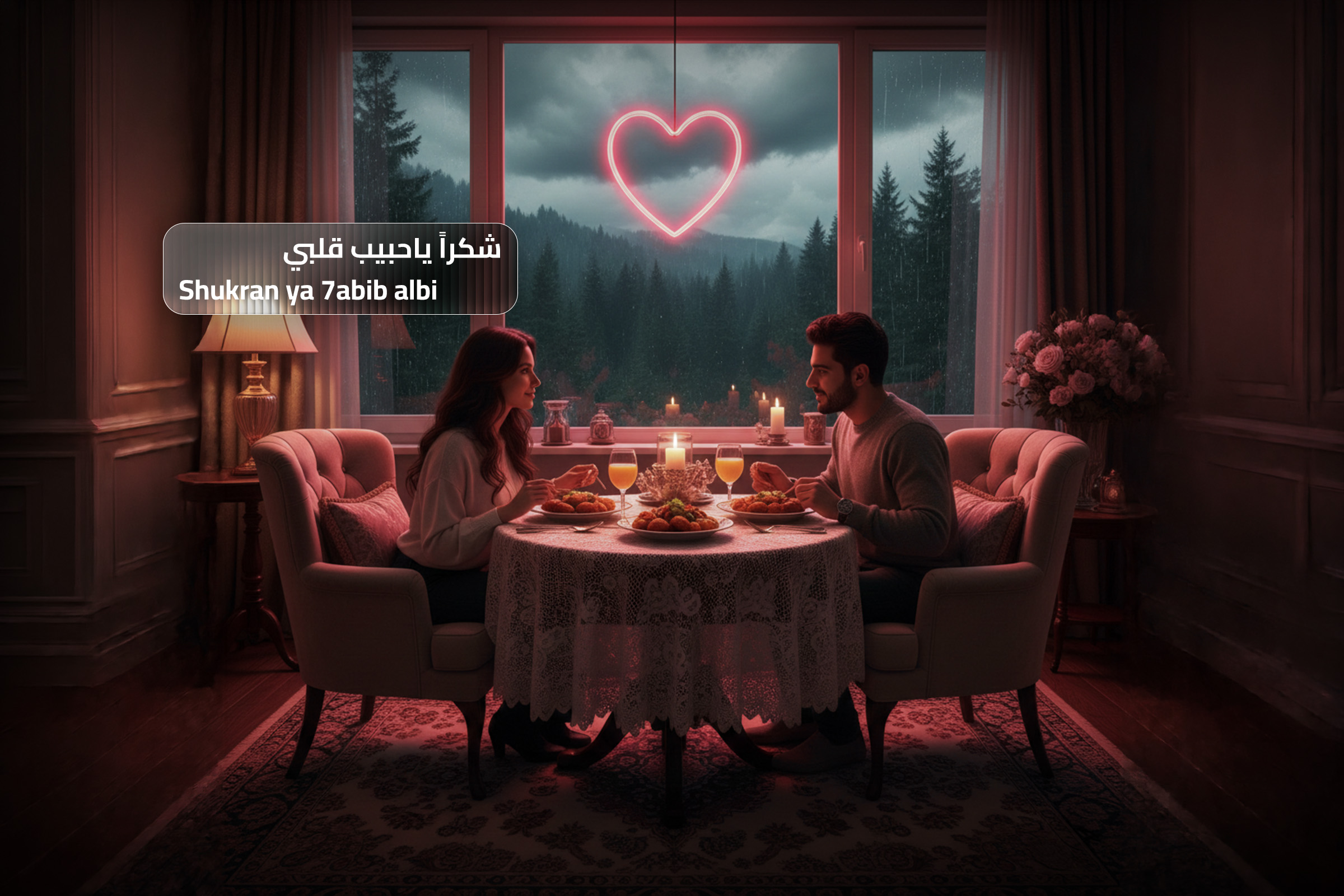
1. يا حبيب قلبي (Ya Habib Albi)
❤️ Literal Meaning
Beloved of my heart.
💬 Natural Meaning
"My dear."
"You're special to me."
"I really appreciate you."
When Syrians Use It
This is one of the most affectionate expressions in Syrian Arabic.
Despite sounding romantic in English, Syrians also say it to:
close friends
siblings
parents
cousins
children
It's an everyday expression of warmth.
Example
شكراً يا حبيب قلبي.
"Thank you, my dear."
💜 Cultural Note
Don't be surprised if two male friends call each other يا حبيب قلبي.
In Syrian culture, this expression often reflects friendship and affection rather than romance.
⭐ Pro Tip
If you're speaking to a woman, you'll usually hear:
يا حبيبة قلبي
instead.
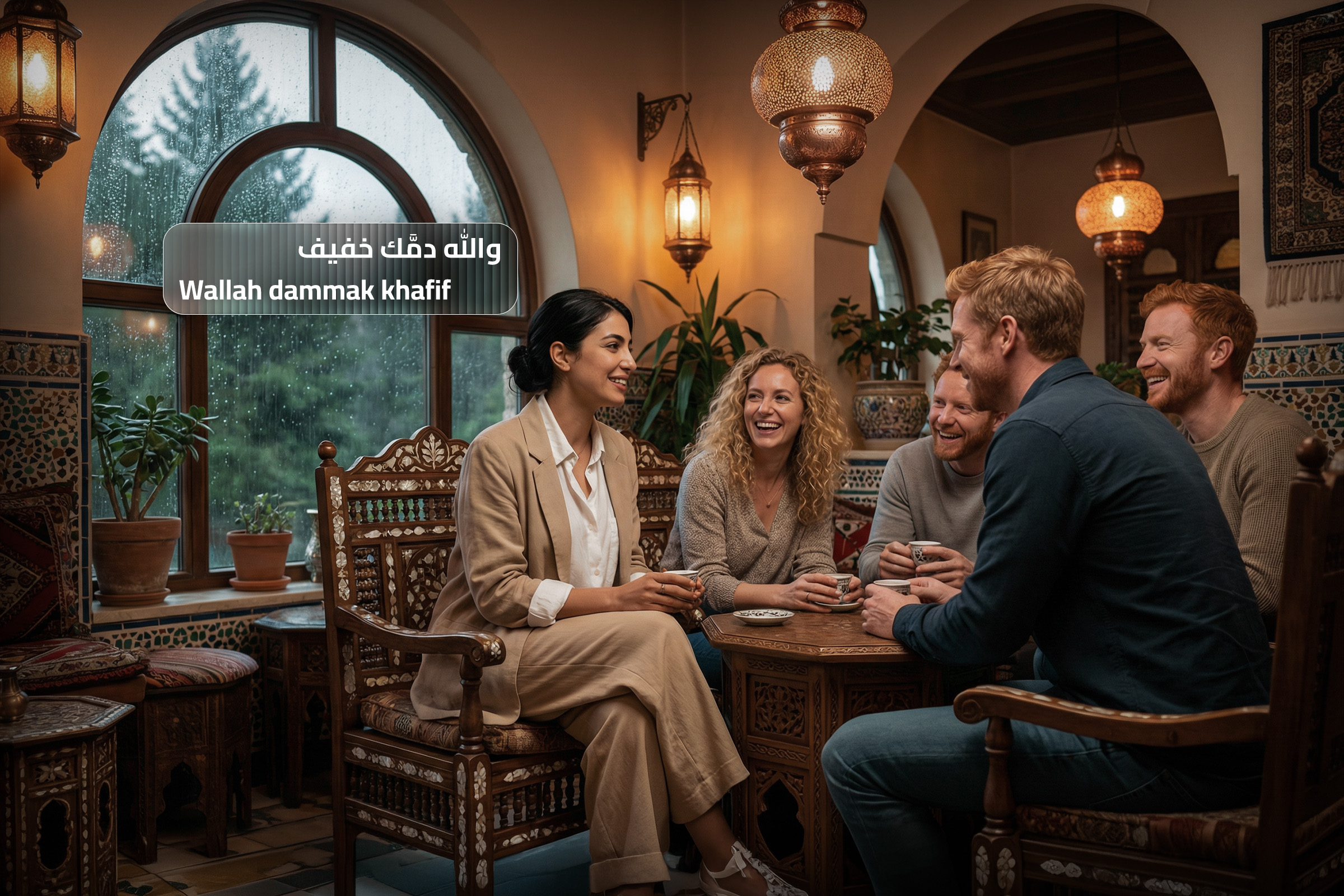
2. دمّك خفيف (Dammak Khafif)
Dammak Khafif
😂 Literal Meaning
"Your blood is light."
💬 Natural Meaning
"You're funny."
"You're fun to be around."
"You have a great sense of humor."
If someone always makes people laugh, knows how to lighten the mood, or is simply enjoyable to spend time with, Syrians often describe them as دمّك خفيف.
This compliment is about personality, not jokes. It describes someone whose presence makes everyone feel comfortable.
When Syrians Use It
You'll hear this expression:
after someone tells a funny story
when a friend makes everyone laugh
when someone has an easygoing personality
during casual conversations among friends
Example
والله دمّك خفيف!
"Honestly, you're hilarious!"
Or:
عنجد دمّك خفيف، ما منملّ منك.
"You're so fun to be around, we never get bored with you."
💜 Cultural Note
The opposite expression is:
دمّك تقيل
Literally: Your blood is heavy.
Meaning: Someone who is boring, awkward, or difficult to be around.
Obviously... not a compliment!
⭐ Pro Tip
Notice how Syrians often add والله before compliments.
It doesn't literally mean they're swearing an oath, it simply adds warmth and sincerity.
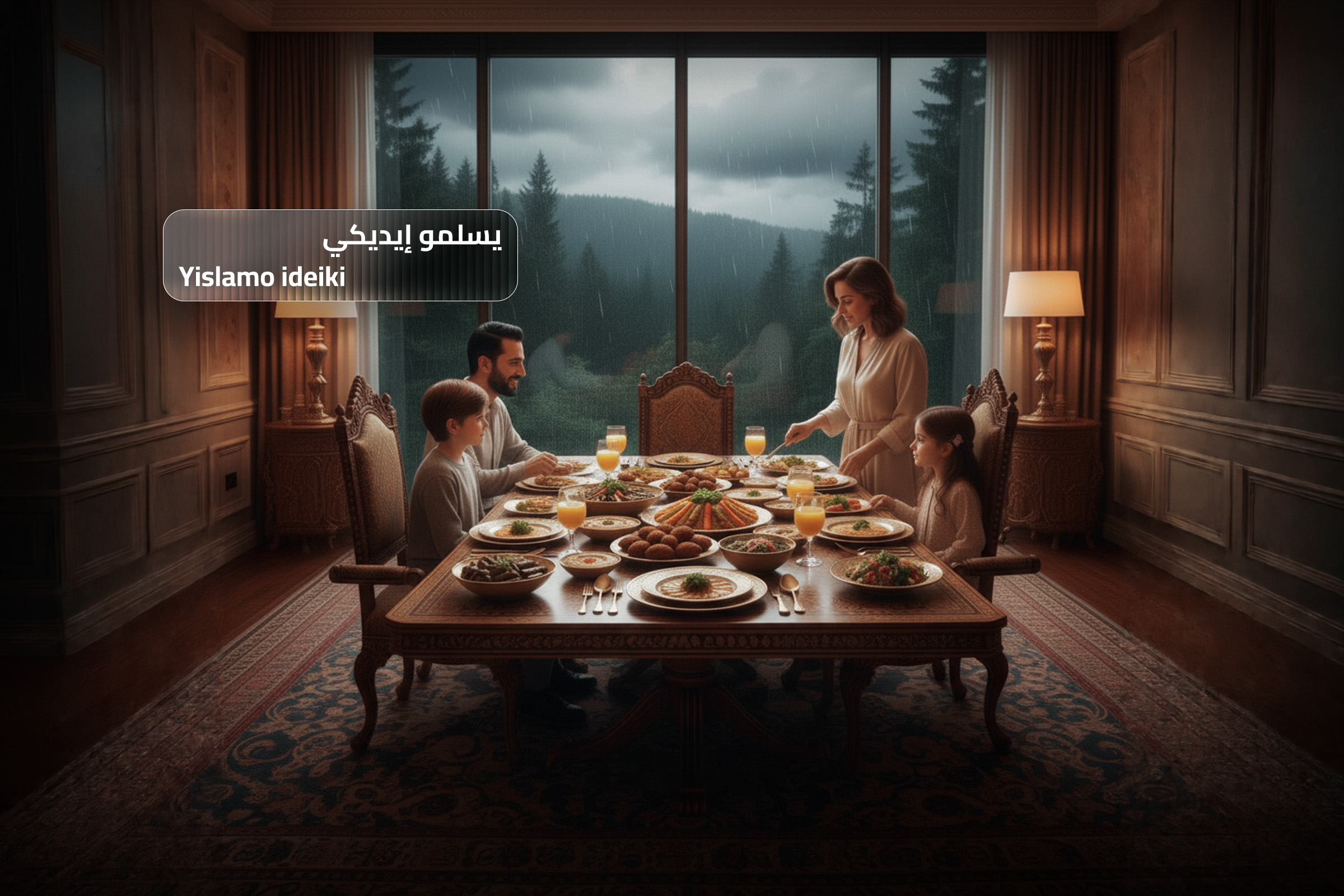
3. يسلمو إيديك (Yislamo Ideik)
🙌 Literal Meaning
"May your hands stay safe."
💬 Natural Meaning
"Wonderful job."
"Thank you for your effort."
"This is amazing."
Few expressions are more Syrian than يسلمو إيديك.
You'll hear it almost every day because Syrians love appreciating effort, especially when someone cooks, bakes, fixes something, or creates something by hand.
When Syrians Use It
Say it when someone:
cooks a meal
bakes dessert
prepares coffee
paints
knits
builds something
decorates a room
It recognizes the effort behind the result.
Example
يسلمو إيديك، الأكلة كتير طيبة.
"Your cooking is delicious!"
Or:
يسلمو إيديك عالتعب.
"Thank you for all your hard work."
💜 Cultural Note
This expression isn't limited to food.
If a friend designs a beautiful presentation or makes something creative, Syrians may still say:
يسلمو إيديك.
⭐ Pro Tip
If you're speaking formally, you'll often hear:
تسلم إيدك
or
تسلم إيديك
All three versions are common depending on the region and speaker.
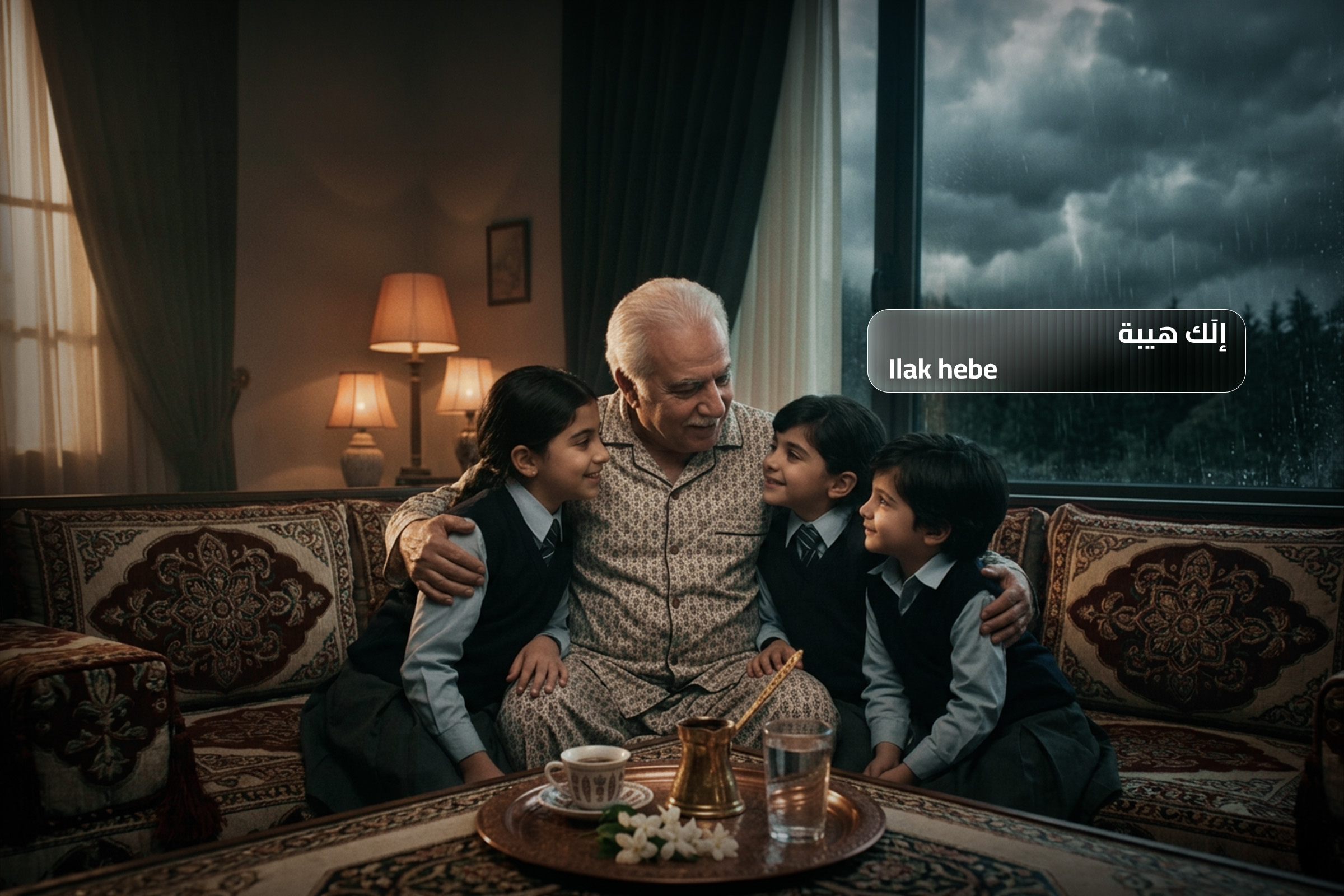
4. إلك هيبة (Ilak Hēbe)
"You have presence."
💬 Natural Meaning
"You have charisma."
"You command respect."
"You have a powerful presence."
Unlike compliments about beauty, إلك هيبة focuses on confidence and the way someone carries themselves.
Some people don't need to speak much.
The moment they walk into a room, everyone notices them.
That's exactly what this compliment describes.
When Syrians Use It
People say it to someone who:
appears confident
speaks calmly
earns respect naturally
has strong leadership qualities
Example
من أول ما دخلت، إلك هيبة.
"From the moment you walked in, you had an impressive presence."
💜 Cultural Note
This compliment is especially common for:
parents
teachers
respected elders
leaders
successful professionals
It's about dignity rather than appearance.
⭐ Pro Tip
Don't confuse هيبة with being scary.
Someone with هيبة is respected, not feared.
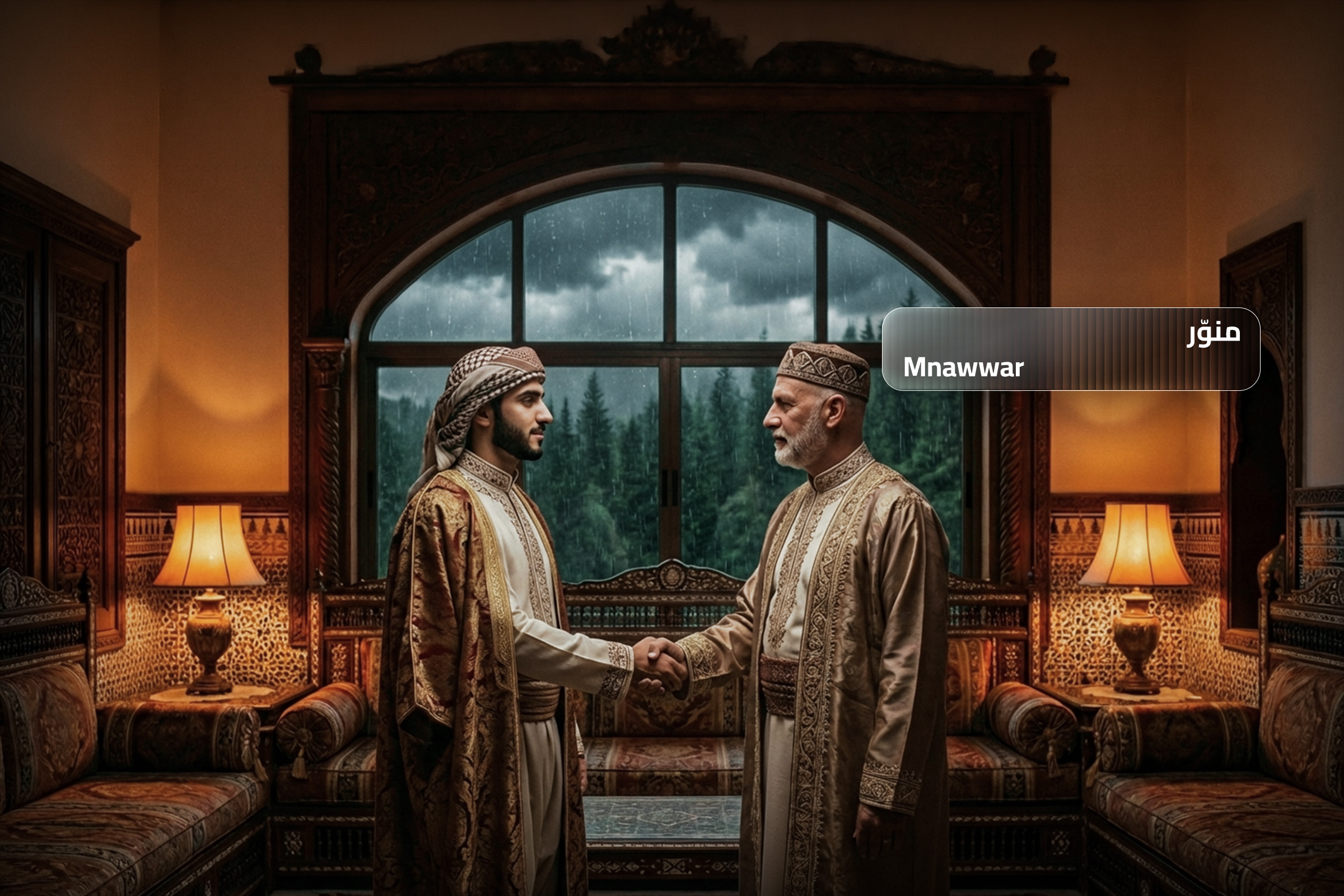
5. منوّر (Mnawwar)
✨ Literal Meaning
"Illuminated."
💬 Natural Meaning
"You light up the place."
"We're happy you're here."
"Welcome!"
If you visit a Syrian home, there's a very good chance this will be one of the first compliments you hear.
It's both a greeting and a compliment.
By saying منوّر, Syrians tell you that your presence brings happiness to the place.
When Syrians Use It
You'll hear it when:
visiting someone's home
entering a shop
meeting relatives
seeing an old friend
welcoming guests
Example
أهلين! منوّر البيت.
"Welcome! You light up the house."
Or simply:
منوّر!
"Great to see you!"
💜 Cultural Note
For women, Syrians say:
منوّرة
The expression changes according to gender.
⭐ Pro Tip
You'll often hear the response:
بنورك
"It's your light."
This is a polite way of returning the compliment.
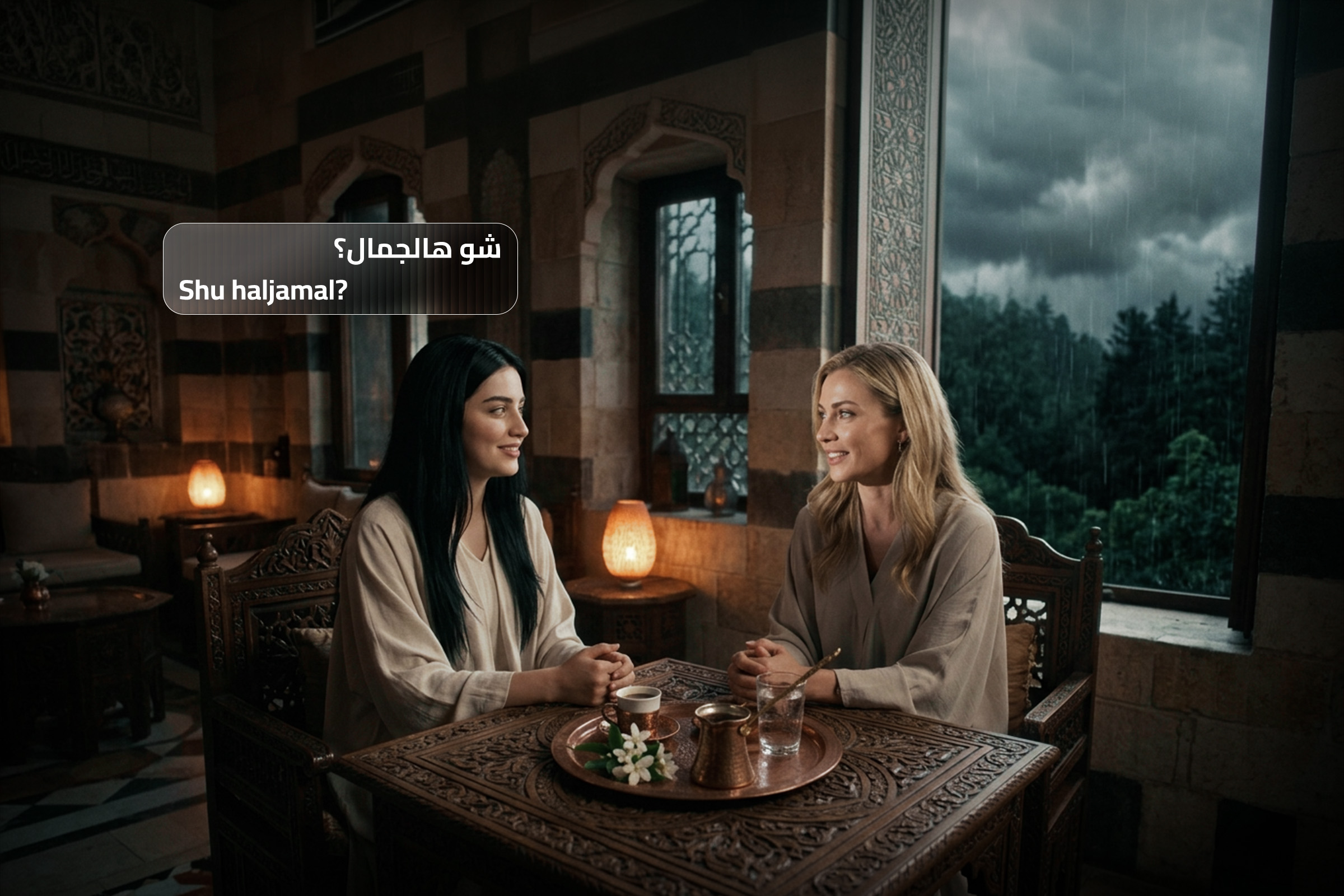
6. شو هالجمال؟ (Shu Hal Jamal?)
😍 Literal Meaning
"What is this beauty?"
💬 Natural Meaning
"You look beautiful!"
"You look amazing!"
"Wow!"
This is one of the most expressive compliments in Syrian Arabic.
Rather than simply saying "You're beautiful," Syrians often react with surprise and admiration.
When Syrians Use It
People use it when someone:
wears a new outfit
gets a haircut
dresses up for a wedding
looks especially elegant
surprises everyone with their appearance
Example
شو هالجمال اليوم؟
"You look absolutely gorgeous today!"
Or:
شو هالحلا!
"You're so beautiful!"
💜 Cultural Note
Among close friends, this compliment is often exaggerated for fun.
You might hear:
شو هالجمال؟ شو هالأناقة؟
Even if it's just a casual gathering.
Expressing enthusiasm is a natural part of Syrian communication.
⭐ Pro Tip
Syrians rarely limit themselves to one compliment.
It's common to hear several compliments in a row, making the interaction feel warm, genuine, and enthusiastic.
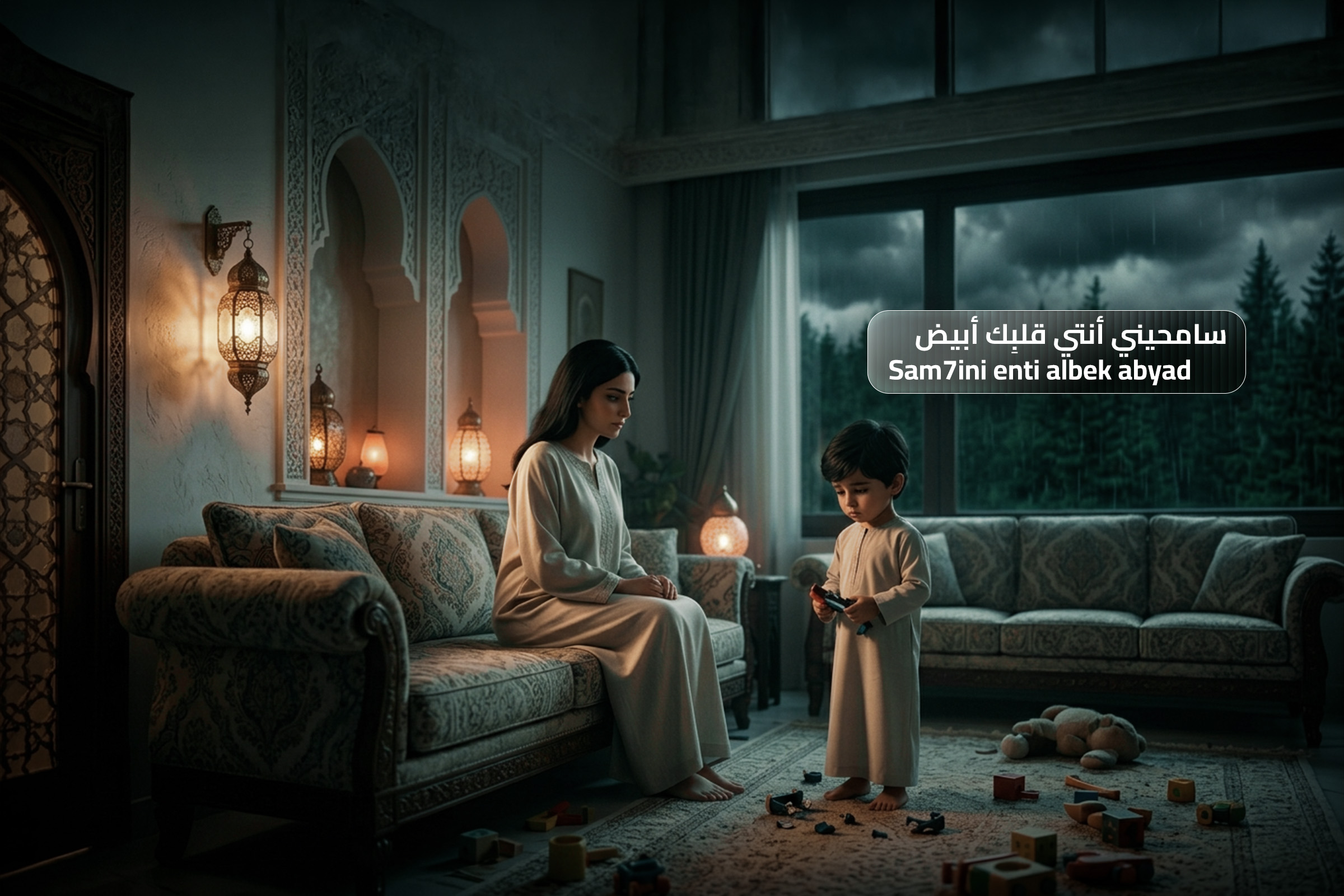
7. قلبك أبيض (Albak Abyad)
🤍 Literal Meaning
"Your heart is white."
💬 Natural Meaning
"You have a kind heart."
"You're genuinely kind."
"You're a forgiving person."
Unlike many compliments that focus on appearance, this one celebrates someone's character.
In Syrian culture, having a white heart means being kind, forgiving, generous, and sincere. It's one of the highest compliments someone can receive.
When Syrians Use It
You'll hear this expression when someone:
forgives a mistake
helps others without expecting anything in return
stays calm during a disagreement
shows generosity or compassion
Example
عنجد قلبك أبيض.
"You truly have a kind heart."
Or:
الله يديم هالقلب الأبيض.
"May you always keep that beautiful heart."
💜 Cultural Note
Notice that Syrians often compliment who you are, not just how you look.
Compliments about kindness, generosity, and good manners are often considered more meaningful than compliments about beauty.
⭐ Pro Tip
If you want to sound especially natural, combine this compliment with another expression:
قلبك أبيض والله.
Adding والله makes it sound warmer and more sincere.
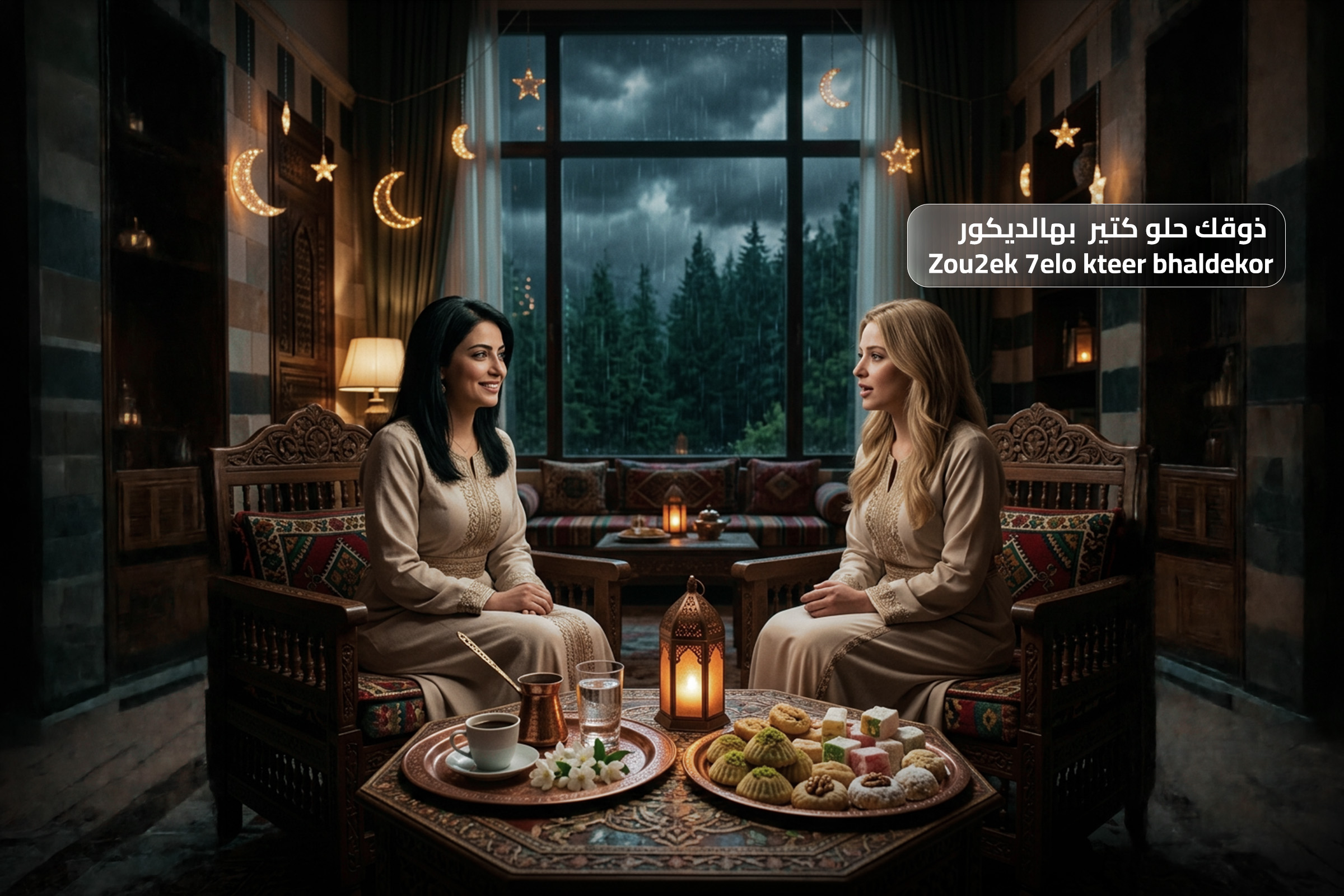
8. ذوقك حلو (Zou'ak Helou)
🎨 Literal Meaning
"Your taste is beautiful."
💬 Natural Meaning
"You have great taste."
"I love your style."
"You've got excellent taste."
Whether someone is decorating their home, choosing clothes, buying furniture, or arranging flowers, this compliment is perfect.
It praises someone's judgment and sense of style rather than a specific object.
When Syrians Use It
Use it when complimenting someone's:
clothes
accessories
home décor
artwork
photography
furniture
gift choices
Example
ذوقك حلو كتير بهالديكور.
"You have excellent taste in decorating."
Or:
ما شاء الله، ذوقك حلو.
"Mashallah, you have wonderful taste."
💜 Cultural Note
Syrians often compliment the person's taste, not just the object itself.
Instead of saying:
"Nice couch."
They're more likely to say:
ذوقك حلو.
It's a warmer and more personal compliment.
⭐ Pro Tip
You'll often hear كتير added:
ذوقك حلو كتير.
This simply makes the compliment stronger and more natural.
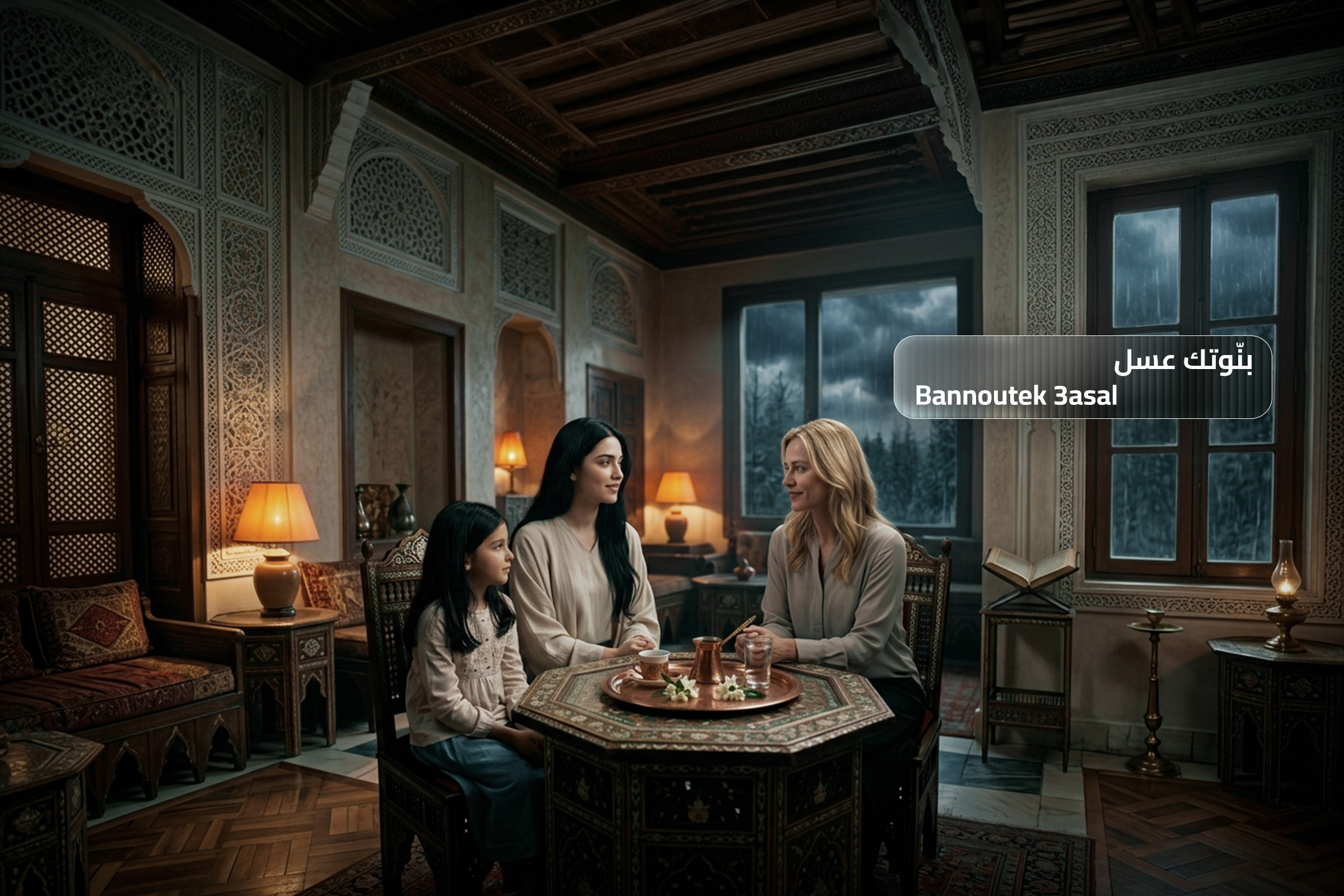
9. عسل (Asal)
🍯 Literal Meaning
"Honey."
💬 Natural Meaning
"You're so sweet."
"You're adorable."
"You're lovely."
One small word.
Hundreds of situations.
عسل is one of the most common compliments in spoken Syrian Arabic.
It can describe someone who's:
sweet
funny
charming
friendly
lovable
polite
When Syrians Use It
People often use it with:
children
close friends
family members
romantic partners
Sometimes even strangers, especially young children.
Example
هالبنت عسل.
"That girl is adorable."
Or:
ابنك عسل ما شاء الله.
"Your son is absolutely adorable, Mashallah."
💜 Cultural Note
Unlike English, where "honey" is mostly used between couples, عسل in Syrian Arabic has a much broader meaning.
It's often used simply to describe someone as lovable or delightful.
⭐ Pro Tip
Don't overuse it in formal settings.
It's affectionate and friendly, making it best suited for casual conversations.
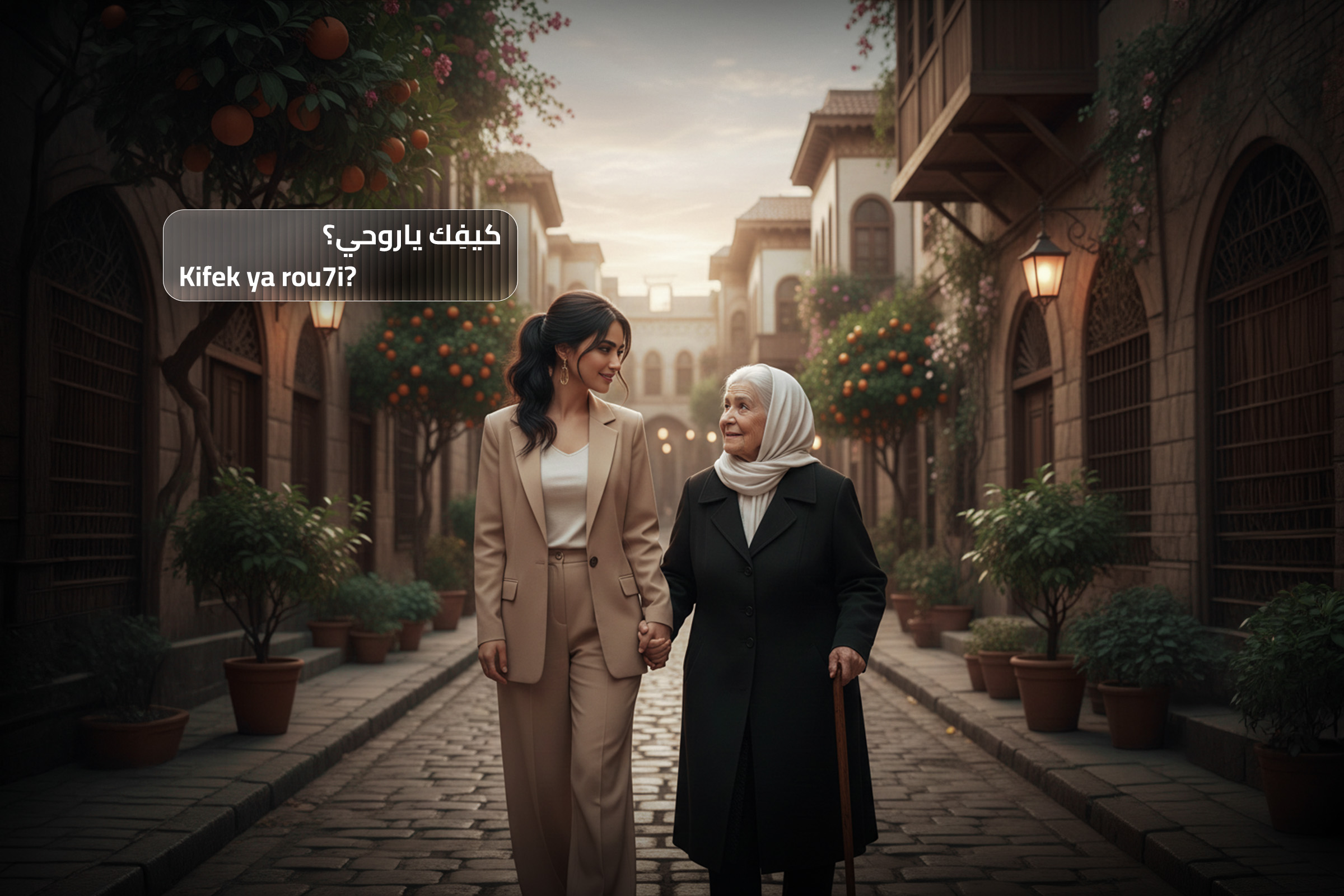
10. يا روحي (Ya Rouhi)
💜 Literal Meaning
"My soul."
💬 Natural Meaning
"My dear."
"My sweetheart."
"My lovely."
Although this phrase sounds deeply romantic when translated literally, Syrians use it with many different people.
You might hear mothers say it to their children, friends say it to each other, or even shopkeepers say it to regular customers.
It's an expression of warmth more than romance.
When Syrians Use It
Use it with:
friends
siblings
parents
children
partners
people you're close to
Example
شكراً يا روحي.
"Thank you, my dear."
Or:
تعي يا روحي.
"Come here, my dear."
💜 Cultural Note
Expressions involving the heart (قلبي) and the soul (روحي) are incredibly common in Syrian Arabic.
They don't necessarily imply romantic love, they simply reflect closeness and affection.
⭐ Pro Tip
You'll often hear these variations:
يا روحي
يا عمري
يا قلبي
All are affectionate expressions, but each carries its own subtle nuance.
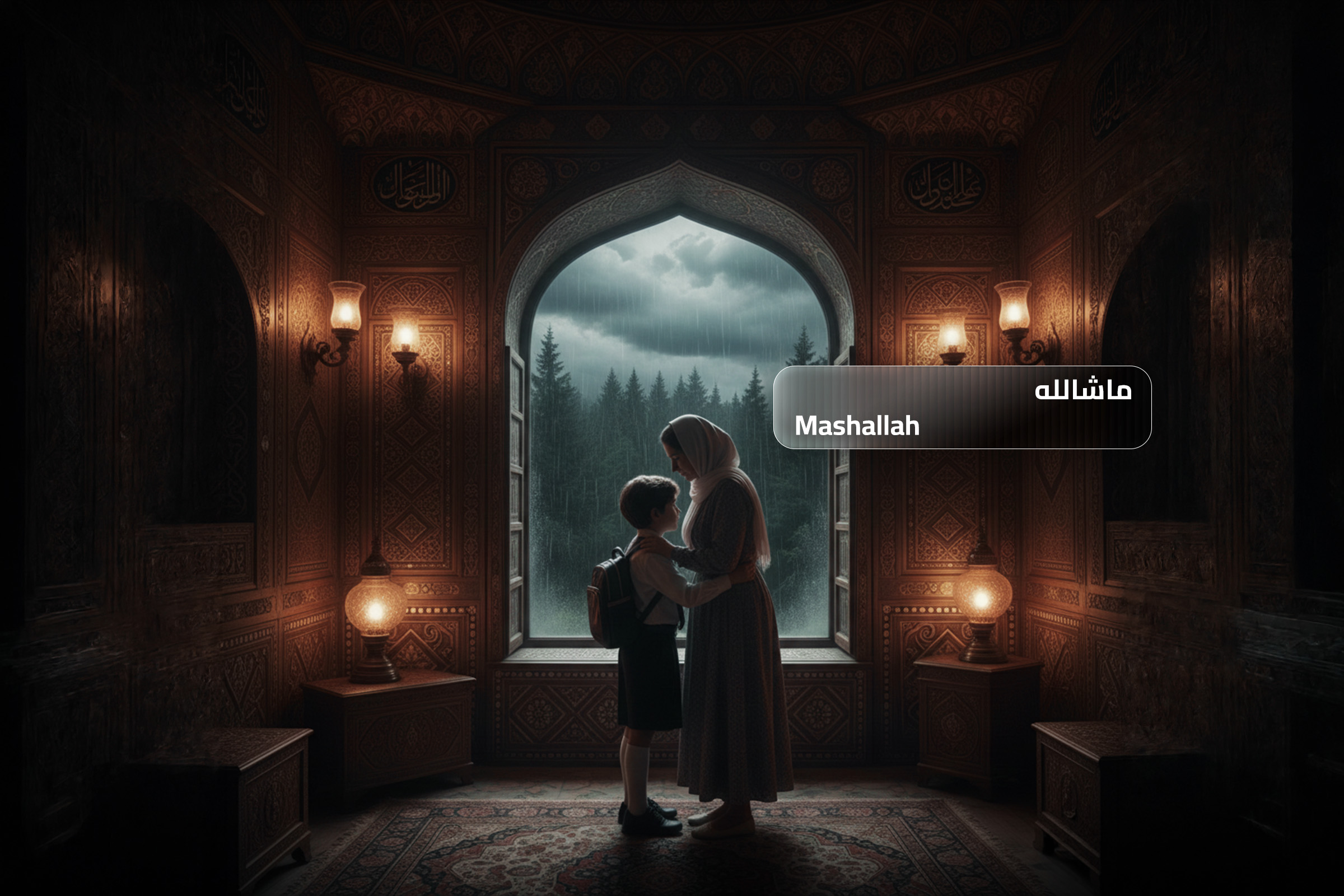
11. ما شاء الله (Mashallah)
🌿 Literal Meaning
"What God has willed."
💬 Natural Meaning
"What a blessing."
"That's wonderful."
"How beautiful!"
While Mashallah isn't technically a compliment by itself, Syrians almost always include it when admiring someone or something.
It expresses admiration while also conveying good intentions and respect.
When Syrians Use It
People commonly say Mashallah when complimenting:
children
homes
cars
achievements
clothing
success
beauty
weddings
Example
ما شاء الله، بيتكن كتير حلو.
"Mashallah, your home is beautiful."
Or:
ما شاء الله عليك!
"Mashallah, you look amazing!"
💜 Cultural Note
Many Syrians say Mashallah instinctively whenever they admire something.
It's a beautiful reflection of gratitude, humility, and wishing goodness for others.
⭐ Pro Tip
As an Arabic learner, using Mashallah naturally in conversations will instantly make your speech sound more authentic and culturally aware.
Cultural Tip: Syrians Compliment Personality as Much as Appearance
One thing that surprises many Arabic learners is that Syrians often compliment personal qualities more than physical appearance.
Expressions like:
🟣 قلبك أبيض (You have a pure heart)
🟣 محترم (Respectful)
🟣 طيب (Kind-hearted)
🟣 ابن أصل (A person of good values)
are often considered more meaningful than compliments about beauty.
This reflects the importance of character and relationships in Syrian culture.
How to Learn Real Syrian Arabic Expressions
Many of these compliments don't appear in traditional Arabic textbooks.
That's because they belong to everyday spoken Syrian Arabic, the language people actually use with friends, family, coworkers, and neighbors.
At Speak Real Arabic, our lessons focus on authentic Syrian conversations, helping learners understand the expressions, emotions, and cultural meanings behind the language.
Instead of memorizing isolated words, you'll learn how Syrians naturally communicate in real-life situations.
Final Thoughts
Compliments are a wonderful window into a culture.
In Syrian Arabic, they reveal values like kindness, hospitality, affection, and appreciation. By learning these expressions, you'll not only expand your vocabulary but also gain a deeper understanding of how Syrians connect with one another.
The next time you hear someone say:
"قلبك أبيض"
or
"منوّر"
you'll know that they're sharing much more than a compliment, they're expressing genuine warmth and connection.
And that's exactly what makes Syrian Arabic such a beautiful language to learn.
At Speak Real Arabic, we believe that learning a language means understanding the culture behind it. That's why our lessons focus on authentic conversations, everyday expressions, and the way Syrians really speak.
Continue Learning Syrian Arabic:
🌟 Start Zero to 15 Minutes, of real Arabic, without grammar stress,Explore the Course
🌟Weekly Arabic, Culture & Stories,Join Our Newsletter
🌟 Discover the Arabic Behind the Music → click here


