
The Secret Words Syrians Use All the Time
When most people start learning Arabic, they focus on grammar, verb conjugations, and formal vocabulary. While this is useful, it often leads to a frustrating realization: when you actually hear native speakers, especially in Syrian Arabic, it sounds completely different.
That’s because real conversations are not built only on grammar, they’re built on rhythm, tone, and small everyday expressions. These expressions are the secret ingredients of spoken Arabic words that bring the language to life.
At Speak Real Arabic, we believe that learning a language means learning how people actually speak, not just how they write. And if you want to understand real conversations, you need to master these small but powerful words used in Syrian slang.
Why These Words Are Essential for Real Arabic Speaking
In real life, Syrians don’t speak in perfectly structured sentences. Instead, they use filler words, connectors, and emotional expressions that make speech feel natural and human.
These words help you:
Sound more fluent and less robotic
Understand fast conversations
Connect with native speakers on a cultural level
Without them, your Arabic might be technically correct—but it won’t feel authentic. That’s why learning spoken Arabic words is one of the fastest ways to improve your fluency.
1. “يعني” (ya‘ni) — The Ultimate Filler Word
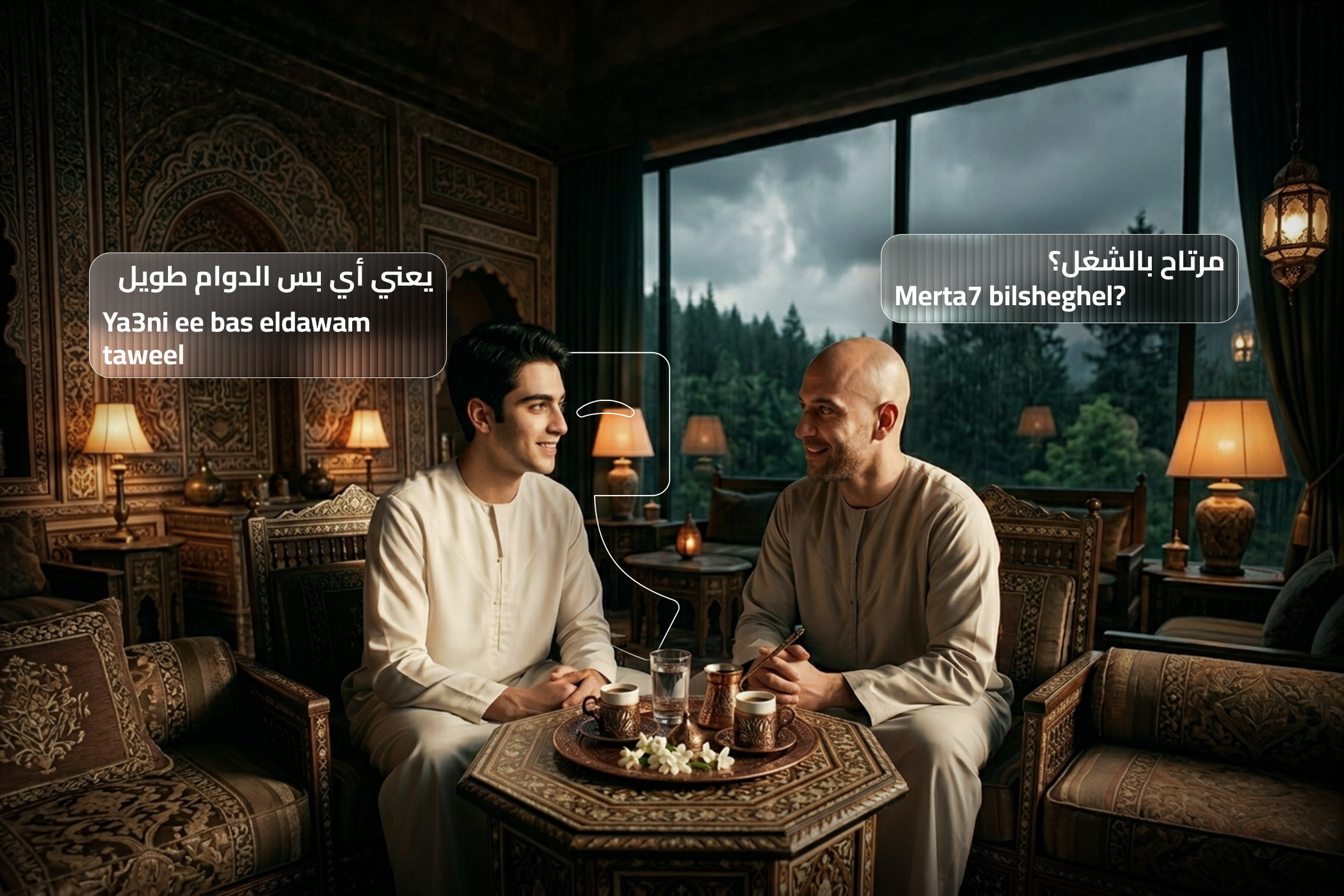
If there’s one word you’ll hear everywhere in Syrian Arabic, it’s “يعني”.
What it means:
🟡 “I mean”
🟡 “Like”
🟡 A thinking pause
How Syrians use it:
🟣 To explain something
🟣 To soften a statement
🟣 To fill silence while thinking
Example:
يعني ما كنت جاهز
(I mean, I wasn’t ready)
This word is essential in real Arabic speaking because it helps your speech flow naturally. Without it, your sentences may sound too direct or unnatural.
2. “هيك” (hek) — Simple but Powerful
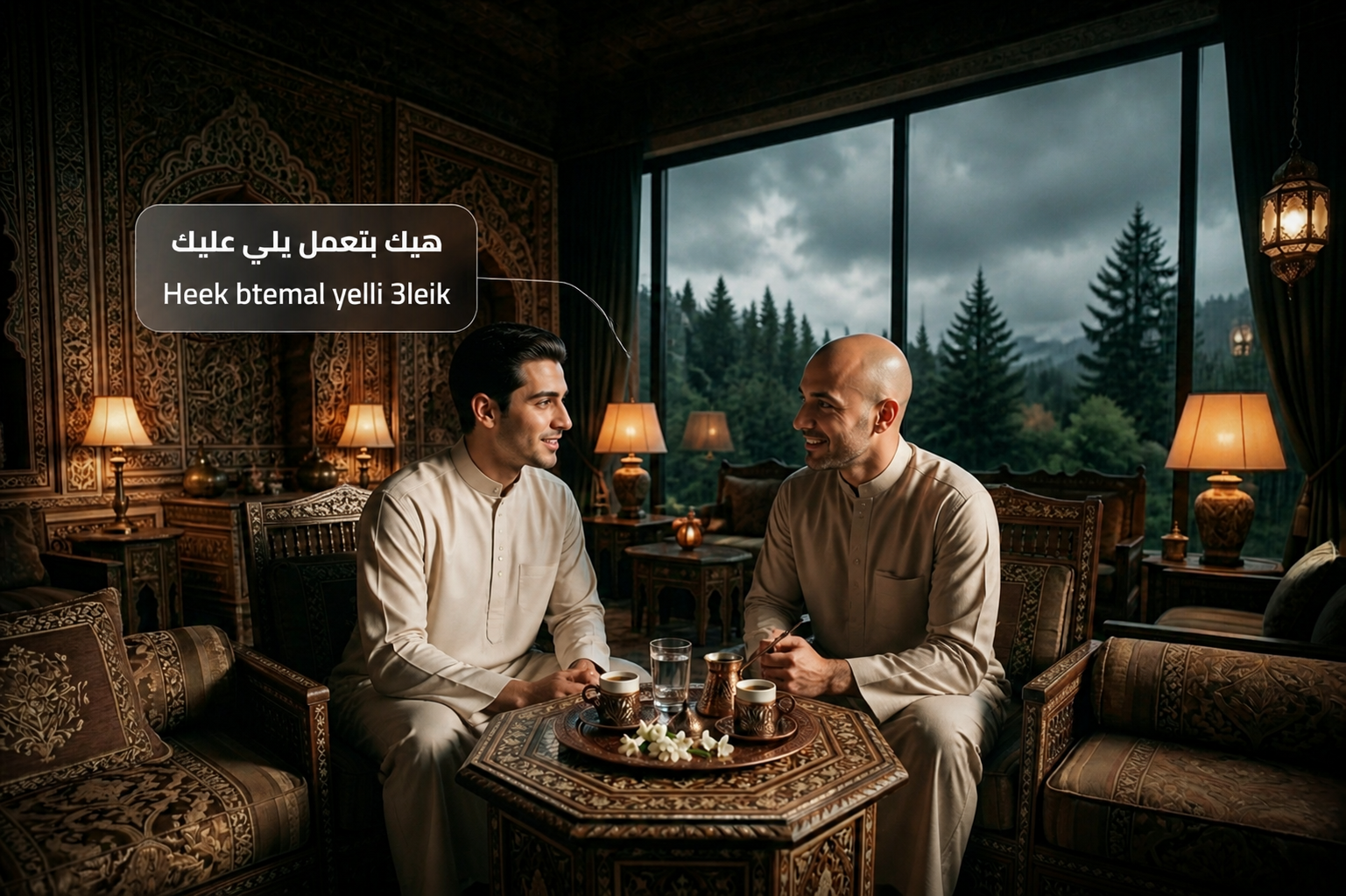
“هيك” is one of those spoken Arabic words that can replace an entire sentence.
What it means:
🟣 “Like this”
🟣 “This way”
🟣 “Just like that”
Example:
عملنا هيك وخلص
(We did it like this and that’s it)
Syrians often use “هيك” when they don’t want to go into details. It’s efficient, expressive, and very common in Syrian slang.
3. “خلص” (khalas) — One Word, Many Meanings
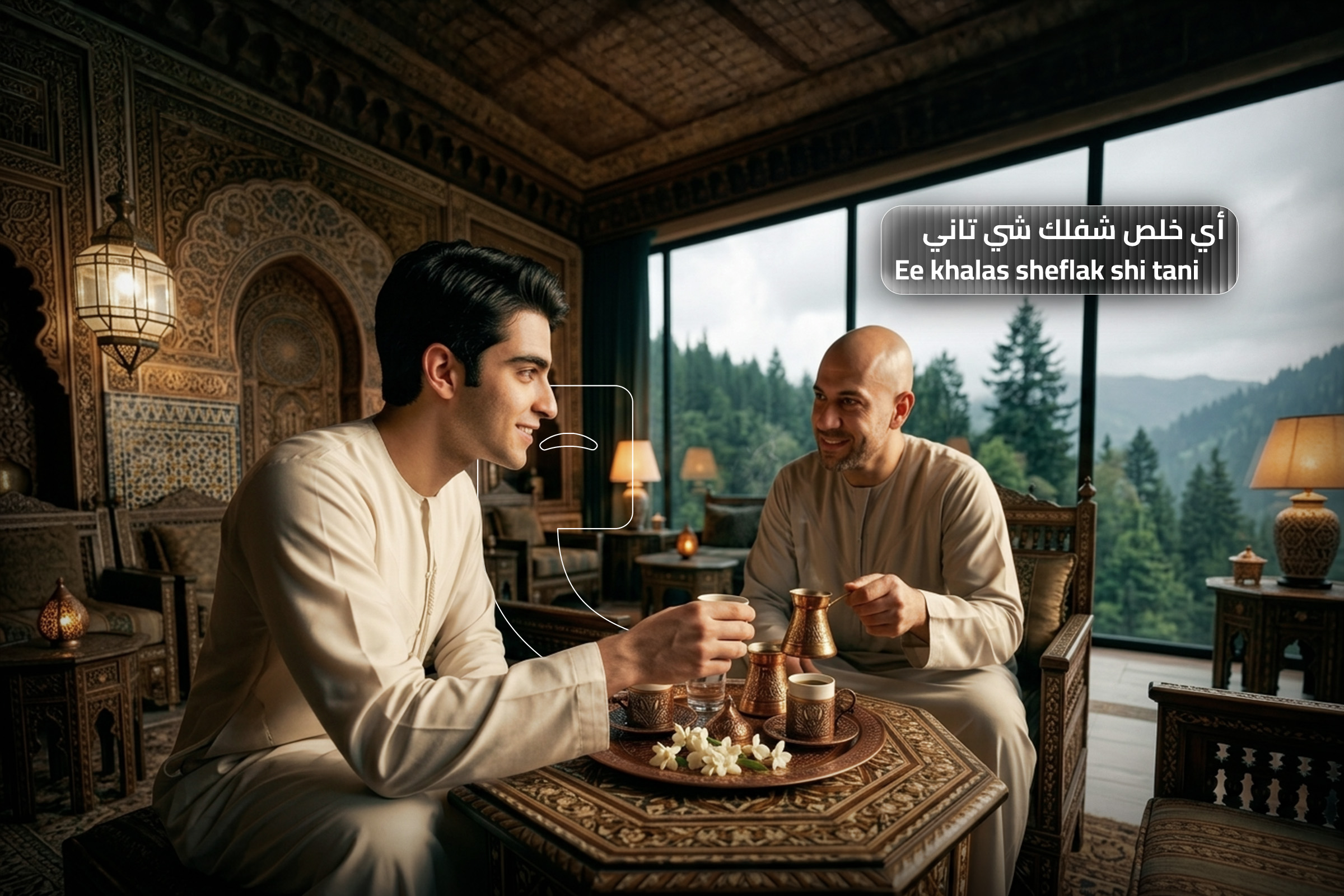
“خلص” is one of the most versatile words in Syrian Arabic.
It can mean:
⭐ Done
⭐ Finished
⭐ Enough
⭐ Decision made
Examples:
✔ خلصت الشغل
(I inished the work)
✔ خلص بقى!
(That’s enough!)
✔ خلص، قررت
(That’s it, I decided)
This word carries emotional weight, which is why it’s central to real Arabic speaking.
4. “طيب” (tayyeb) — The Conversation Connector
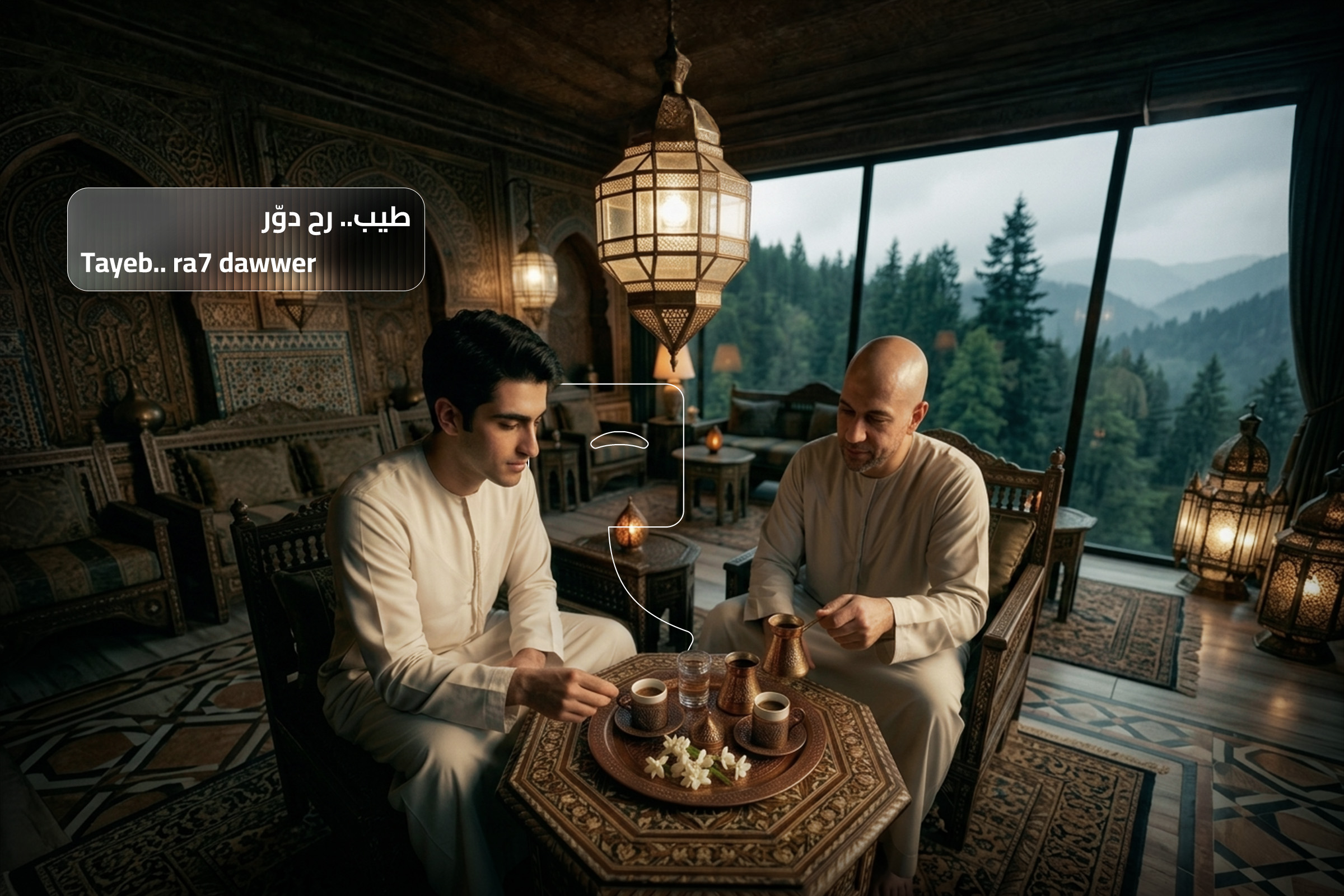
“طيب” is used constantly to guide conversations.
It can mean:
✔ Okay
✔ So
✔ Fine
Example:
طيب شو بدنا نعمل؟
(So what should we do?)
In spoken Arabic words, this acts as a bridge between ideas. It keeps the conversation flowing naturally.
5. “لك” (lak) — Pure Syrian Expression
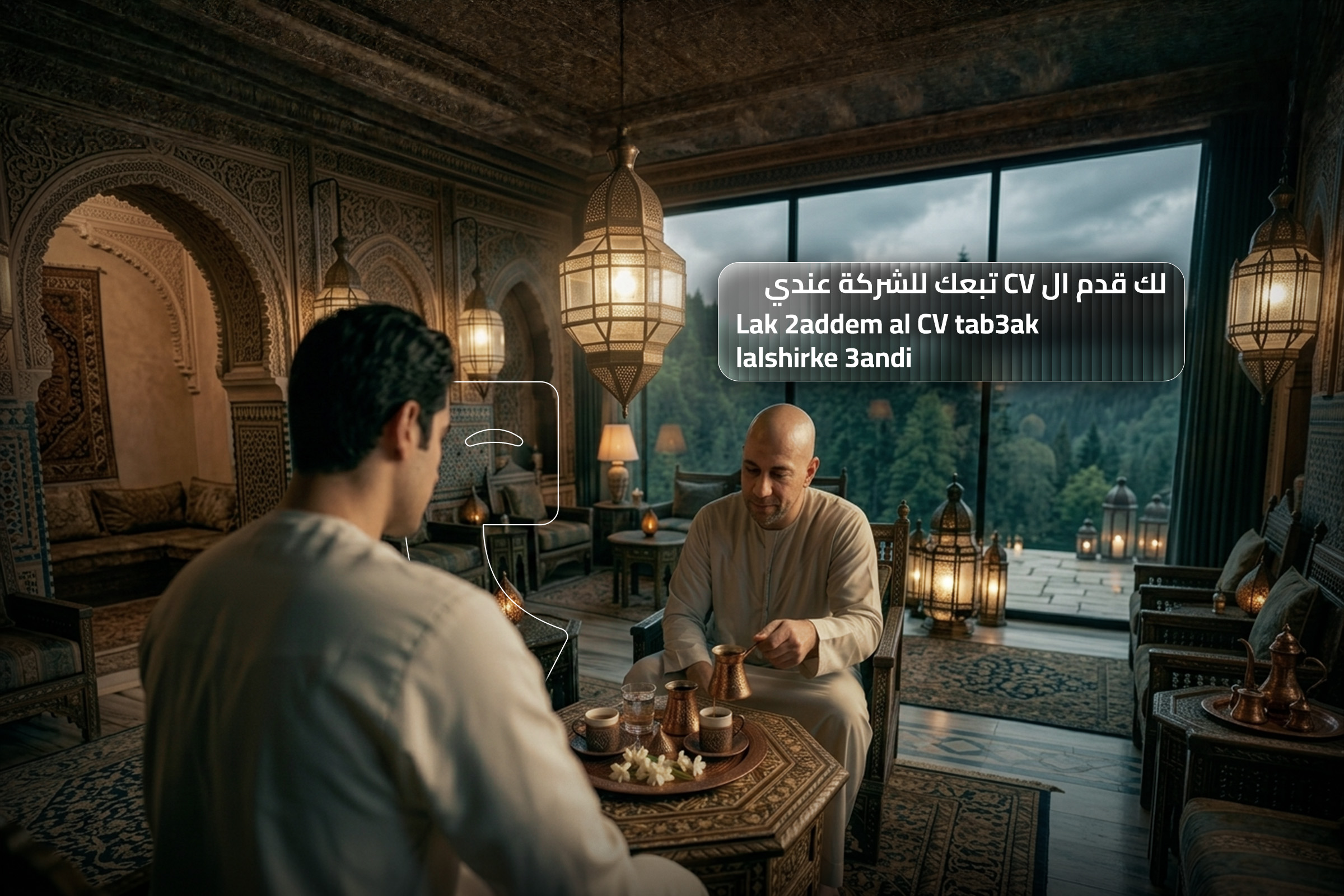
Some words don’t have a direct translation, and “لك” is one of them.
It expresses:
✔ Surprise
✔ Emphasis
✔ Emotion
✔ Sometimes frustration or humor
Example:
لك شو عم تعمل؟
(Hey, what are you doing?!)
This is a key part of Syrian slang and reflects personality more than meaning.
6. “بقى” (ba’a) — Adding Emotion and Emphasis

“بقى” is often used to strengthen a statement.
It can mean:
✔️ “Already”
✔️ “Then”
Example:
خلص بقى!
(Enough already!)
In real Arabic speaking, this word adds tone and emotion that textbooks rarely teach.
Why Textbooks Don’t Teach These Words
Traditional Arabic learning focuses on Modern Standard Arabic (MSA), which is used in news, books, and formal writing. While MSA is important, it doesn’t reflect how people actually speak in daily life.
In reality, Syrian Arabic is:
🟪 More flexible
🟪 More emotional
🟪 Full of shortcuts and expressions
That’s why learners who focus only on formal Arabic often struggle to understand real conversations.
How to Actually Learn These Words
If you want to master spoken Arabic words, you need exposure to real language.
Here’s what works best:
1. Listen to real conversations
Watch Syrian series, interviews, or street conversations.
2. Repeat out loud
Don’t just understand—practice speaking.
3. Learn in context
Memorizing lists won’t help. You need to see how words are used.
4. Focus on patterns
Notice how often words like “يعني” and “طيب” appear.
At Speak Real Arabic, we build lessons around real-life dialogue so you can naturally absorb Syrian slang and everyday expressions.
The Difference Between Studying and Speaking Arabic
There’s a big difference between:
🟪 Knowing Arabic grammar
🟪 Actually speaking Arabic
Many learners spend years studying but still struggle with conversation. Why? Because they never learned the language of daily life.
Mastering these small expressions is what transforms your Arabic from:
🟪 Correct but unnatural ❌
🟪 Fluent and natural ✅
Final Thoughts: Small Words, Big Impact
It’s easy to overlook words like:
👉 يعني
👉 هيك
👉 خلص
👉 طيب
But these are the building blocks of real communication.
If you truly want to speak Syrian Arabic naturally, you need to embrace these expressions and use them regularly.
At Speak Real Arabic, we help you go beyond textbooks and step into real conversations where language is alive, expressive, and deeply human.
Because in the end, fluency isn’t about knowing more words.
It’s about knowing the right words.
Continue Learning Syrian Arabic:
🌟 Real Arabic is lived through moments, a philosophy reflected inThe Syrian Encounters.
🌟Ahlan wa Sahlan Meaning: More Than Just “Welcome” in Levantine Arabic.Read more
🌟 Start Zero to 15 Minutes, of real Arabic, without grammar stress,Explore the Course


