
The Real Meaning of Yalla (It's More Than "Let's Go")
Discover why Yalla (يلا) is one of the most versatile words in Syrian Arabic, and why native speakers use it dozens of times a day.
If you've spent even a few minutes around Arabic speakers, you've probably heard one word repeated again and again.
Yalla.
At first, it might seem simple.
Someone stands up and says, "Yalla."
A friend finishes their coffee and says, "Yalla."
A parent calls their children and says, "Yalla!"
Someone agrees with an idea and responds, "Yalla."
The same word.
Completely different situations.
Most dictionaries translate Yalla (يلا) as "Let's go."
That's not wrong.
It's just incomplete.
In everyday Syrian Arabic, Yalla can mean come on, go ahead, okay, hurry up, let's do it, keep going, or simply signal that it's time to move on to the next thing.
Sometimes it expresses excitement.
Sometimes encouragement.
Sometimes impatience.
Sometimes affection.
And sometimes... it doesn't need to be translated at all.
That's what makes Yalla one of the first words Arabic learners recognize, and one of the last words they truly master.
At Speak Real Arabic, we believe that understanding words like Yalla isn't about memorizing dictionary definitions. It's about seeing how real people use them in real conversations.
Once you understand Yalla, you'll start hearing it everywhere.
And more importantly, you'll know exactly what it means each time.
💜 In This Guide, You'll Learn
By the end of this article, you'll understand:
🟣 What Yalla really means.
🟣 Why translating it as "Let's go" isn't enough.
🟣 Where the word comes from.
🟣 The many ways Syrians use Yalla every day.
🟣 Common expressions you'll hear in real conversations.
🟣 Cultural tips that help you sound more natural.
The Real Meaning of Yalla (It's More Than "Let's Go")
Why You'll Hear Yalla Everywhere
10. "Enough Talking, Let's Do It"
💬 Yalla in Real Syrian Conversations
Why Do Syrians Say Yalla So Often?
Learn the tone, not just the translation.
Pay attention to what happens after Yalla.
What does Yalla mean in Arabic?
Where does the word Yalla come from?
Do all Arabic-speaking countries use Yalla?
How do Syrians use Yalla in everyday conversations?
Does Yalla always mean "Let's go"?
Why do Arabic speakers say Yalla so often?
What's the best way to learn words like Yalla?
💜 Learn Syrian Arabic Through Real Conversations
Why You'll Hear Yalla Everywhere
Spend a day in Syria, or with Syrian friends, and you'll notice something surprising.
People say Yalla all the time.
Not once or twice.
Dozens of times a day.
You'll hear it at home.
At work.
In cafés.
In the car.
At the supermarket.
During family gatherings.
Even in phone calls that are about to end.
That's because Yalla isn't just a word.
It's a conversation tool.
It helps people start things, finish things, encourage each other, speed things up, and smoothly move from one moment to the next.
In many ways, it's one of the words that keeps everyday conversations flowing.
Native speakers don't stop to think about using it.
It comes naturally.
And once you become familiar with it, you'll begin using it just as naturally yourself.
Where Does Yalla Come From?
The word Yalla (يلا) has been part of everyday speech across the Middle East for generations.
Most linguists believe it developed from the Arabic phrase:
يا الله (Ya Allah)
Literally:
"O God."
Over time, the pronunciation became shorter and faster in everyday conversation until it evolved into the familiar Yalla.
Although its historical roots are connected to the phrase Ya Allah, today's speakers rarely think about that origin.
Instead, they use Yalla as a natural conversational expression.
For most Syrians, it's simply part of the language.
Children grow up hearing it from their parents.
Friends say it to one another countless times every day.
And before long, it becomes impossible to imagine everyday conversations without it.
What Does Yalla Really Mean?
Here's the secret that surprises most Arabic learners:
Yalla doesn't have one meaning.
It has one purpose.
It moves the conversation forward.
⭐ Sometimes it moves people.
⭐ Sometimes it moves actions.
⭐ Sometimes it moves ideas.
The exact meaning depends entirely on the situation.
Think of it like the English word "Come on."
Depending on your tone of voice, come on can encourage someone, hurry them up, express disbelief, or invite them to join you.
Yalla works in much the same way.
That's why asking "What does Yalla mean?" is a bit like asking "What does 'come on' mean?"
The answer changes with the conversation.
And that's exactly what makes it one of the most useful words you'll ever learn in Syrian Arabic.
10 Everyday Meanings of Yalla
Once you stop thinking of Yalla as simply "Let's go," you'll begin noticing how flexible it really is.
Here are the most common ways Syrians use it in everyday conversations.
1. "Let's Go"
This is the meaning most learners discover first.
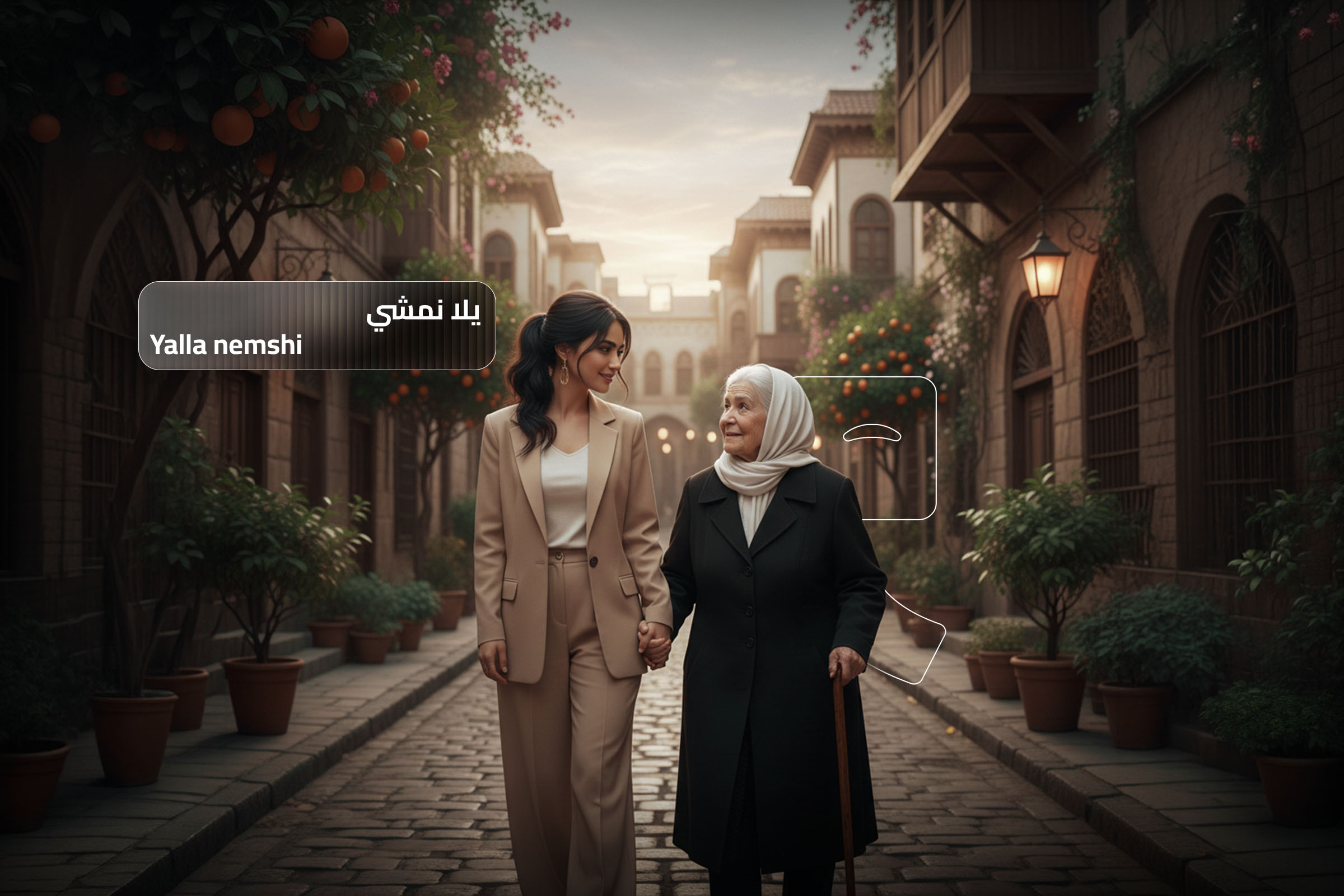
When it's time to leave, start a trip, or head somewhere together, Yalla naturally means:
"Let's go."
Examples
يلا نمشي.
"Let's go."
يلا عالبيت.
"Let's head home."

2. "Come On"
Sometimes no one is leaving.
You're simply encouraging someone to do something.
Examples
يلا جرّب
"Come on, give it a try."
يلا احكي
"Come on, tell me."
The tone here is friendly and encouraging rather than impatient.

3. "Hurry Up"
Parents use this one every day.
So do friends waiting outside the door.
When someone is taking too long, Yalla! means:
"Hurry up!"
Examples
يلا! تأخرنا
"Come on! We're late."
يلا بسرعة
"Hurry up!"
The tone matters. A smile makes it playful. A louder voice can make it sound more urgent.

4. "Go Ahead"
Sometimes Yalla gives permission.
Instead of telling someone to hurry, you're inviting them to continue.
Examples
يلا بلّش.
"Go ahead, start."
يلا خبرني.
"Go ahead, tell me."
5. "Okay"
This use surprises many learners.
Sometimes Yalla simply means:
"Okay."
"Sounds good."
"Deal."
Example:
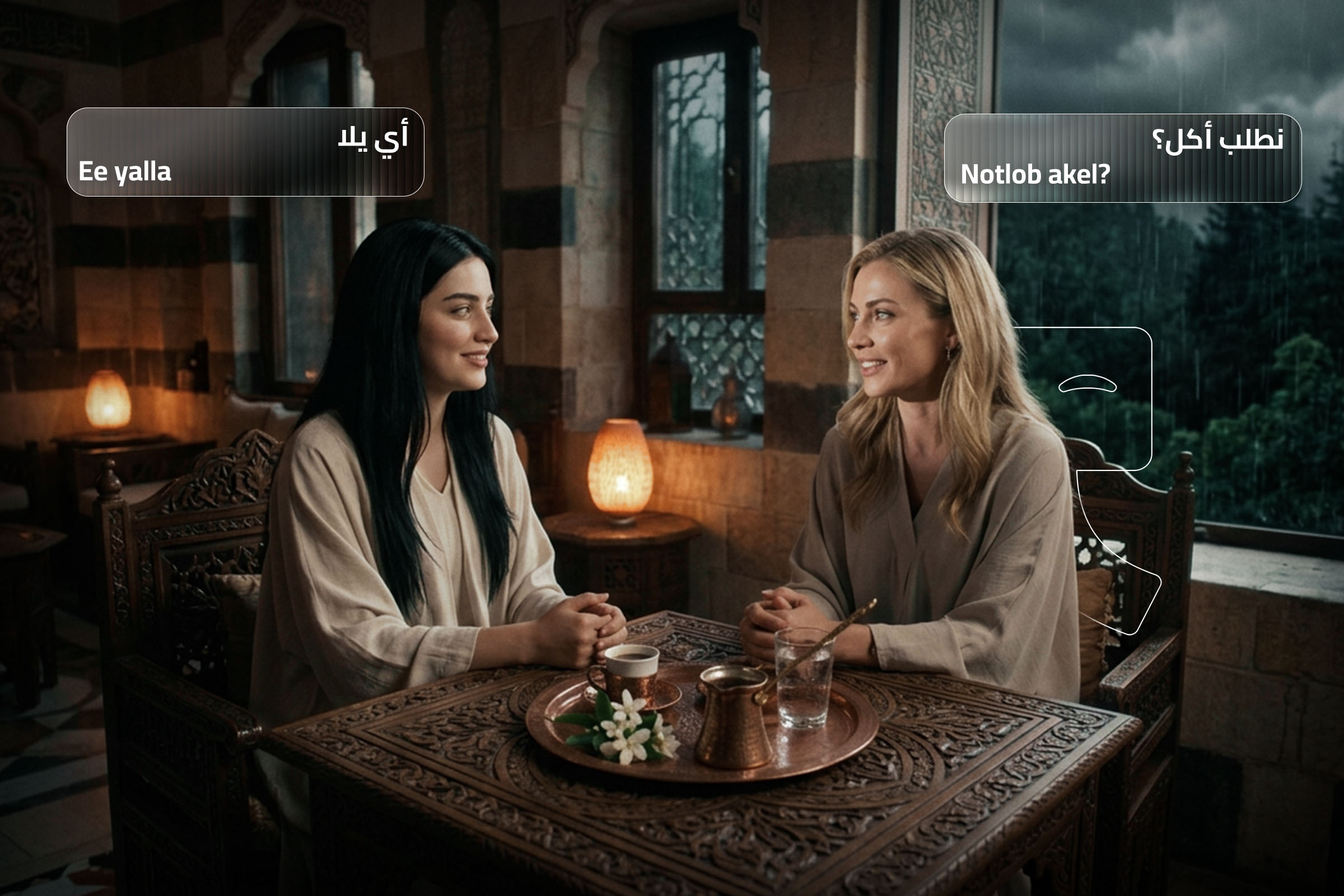
خلينا نطلب أكل
"Let's order food."
يلا
"Sounds good."
6. "Let's Get Started"
At work…
In class…
While cooking…
Before beginning almost anything…
Someone will often say:
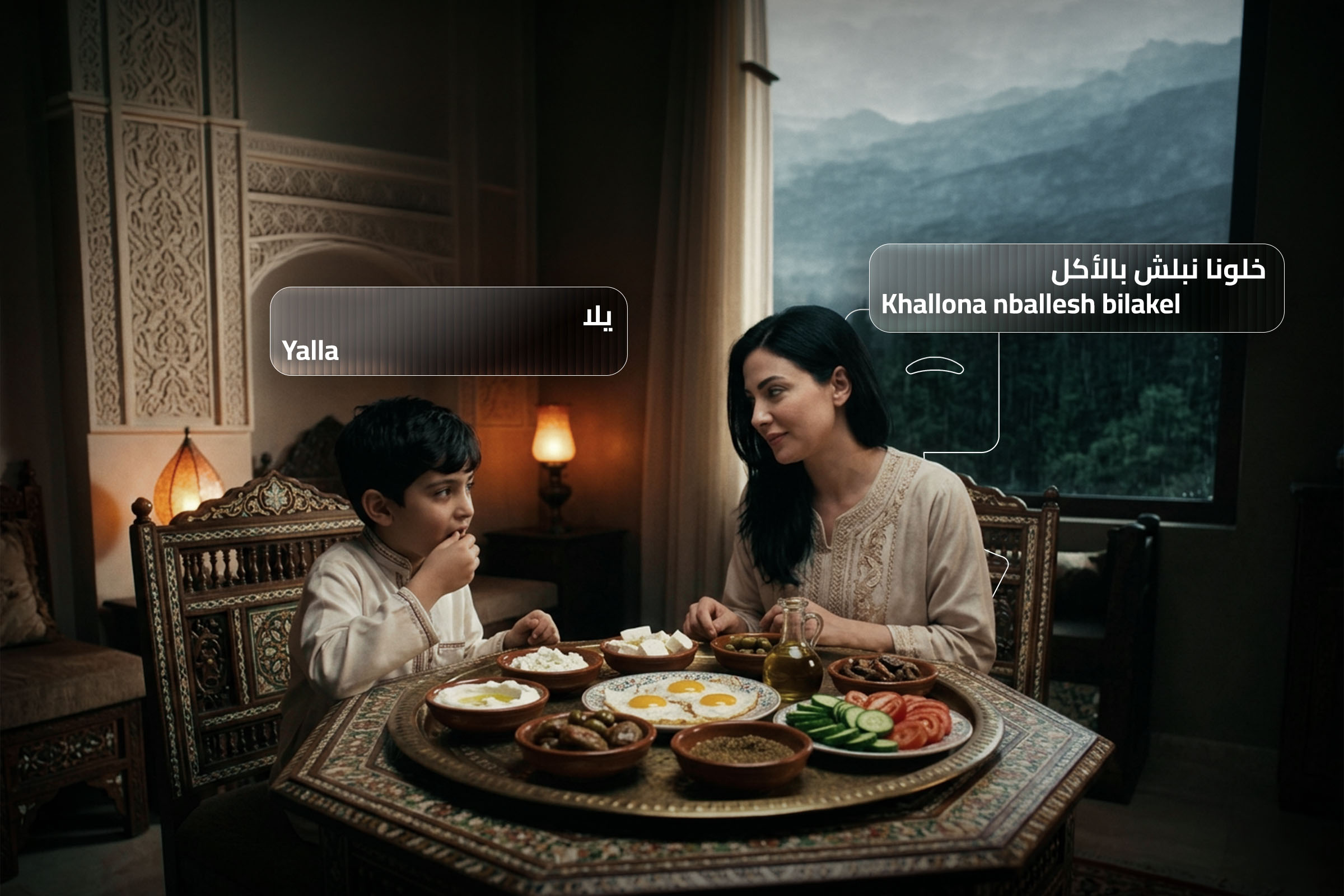
يلا
It's a simple way of saying:
"Let's begin."
"Let's get started."

7. "Keep Going"
If someone is telling a story or explaining something interesting, you might hear:
يلا كمّل.
"Go on."
"Keep going."
The speaker wants to hear more.

8. "It's Time"
Sometimes Yalla doesn't tell people to move faster.
It simply signals that it's time for the next thing.
Time to eat.
Time to leave.
Time to start.
Time to sleep.
No further explanation is needed.
Everyone understands what comes next.

9. "Bye, Then"
Toward the end of a conversation, Syrians often say:
يلا، مع السلامة.
Literally, it includes Yalla.
But the meaning is closer to:
"Alright then, goodbye."
It gently brings the conversation to a natural close.
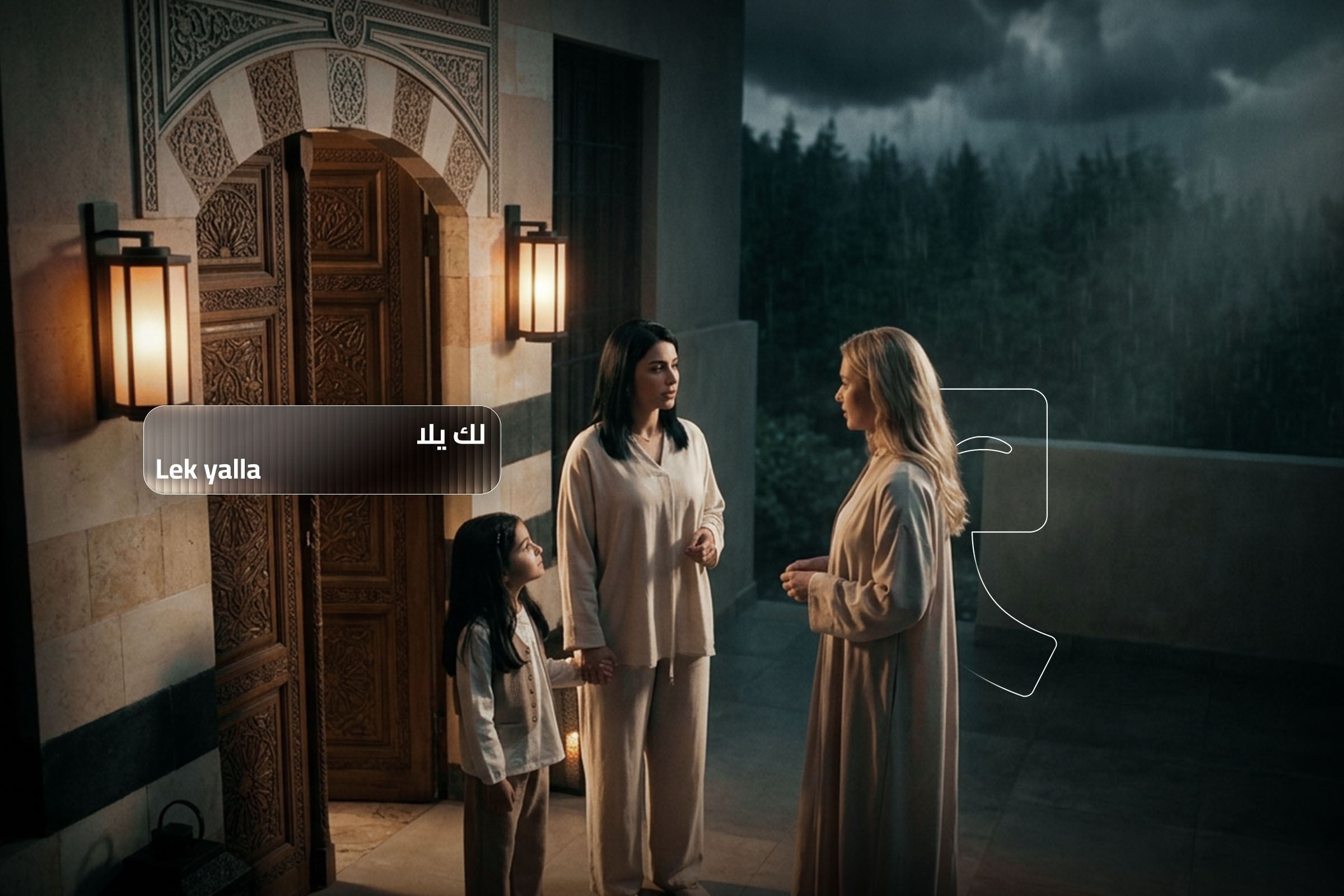
10. "Enough Talking, Let's Do It"
Sometimes people spend too long discussing an idea.
Eventually someone smiles and says:
يلا!
In that moment it means:
"Let's stop talking and get started."
It's one small word that creates action.
💬 Yalla in Real Syrian Conversations
Understanding individual meanings is helpful.
Hearing them in context is even better.
🟡 Leaving a Café
ليلى: خلصت قهوتك؟
كريم: إي.
ليلى: يلا نمشي.
Kareem: Yeah.
Layla: Let's go.
🟡 Encouraging a Friend
سارة: خايفة جرّب.
نور: يلا، ما في شي.
Sarah: I'm afraid to try.
Nour: Come on, you'll be fine.
🟡 Ending a Phone Call
محمد: منشوفك الجمعة؟
سامر: إن شاء الله.
محمد: يلا، مع السلامة.
سامر: الله معك.
Notice something?
The word Yalla changes its meaning in every conversation.
Yet native speakers understand it instantly because the situation, and the tone of voice, make the meaning clear.
That's why learning vocabulary in context is far more valuable than memorizing dictionary definitions.
💜 Cultural Notes
🌟 Why Do Syrians Say Yalla So Often?
For many Syrians, Yalla isn't a special expression.
It's simply part of how conversations flow.
It fills small pauses.
It signals transitions.
It encourages action without sounding too formal.
In English, people naturally say things like:
"Okay..."
"Well..."
"Come on..."
"Alright..."
Syrians often use Yalla in similar ways.
That's why visitors are sometimes surprised by how frequently they hear it.
Native speakers usually don't even notice they're saying it.
🌟 Yalla Is About Connection
One reason Yalla feels so natural is that it's rarely about giving orders.
More often, it's an invitation.
Let's go together.
Let's begin together.
Let's keep talking.
Let's move forward.
That small sense of togetherness is one reason the word feels so warm and friendly in everyday Syrian Arabic.
⭐ Pro Tips
👉 Learn the tone, not just the translation.
The same word can sound encouraging, excited, patient, playful, or urgent depending on how it's said.
Listening to native speakers is the fastest way to understand these subtle differences.
👉 Pay attention to what happens after Yalla.
Native speakers often combine it with another word or phrase:
يلا نمشي
يلا فوت
يلا بلّش
يلا خبرني
Learning these combinations will help you sound much more natural than using Yalla by itself every time.
👉 Don't be afraid to use it.
Many beginners hesitate because they think they're using it incorrectly.
In reality, Yalla is one of the safest and most natural words you can add to your spoken Syrian Arabic.
⚠️ Common Mistakes
Mistake 1
❌ Thinking Yalla always means "Let's go."
✅ It has many meanings depending on the situation.
Mistake 2
❌ Translating every Yalla the same way.
✅ Sometimes the best translation is Okay, Come on, Go ahead, Let's start, or no translation at all.
Mistake 3
❌ Waiting for the perfect moment to use it.
✅ Native speakers use Yalla naturally and frequently. The more real conversations you hear, the easier it becomes to know when it fits.
Mistake 4
❌ Learning Yalla as an isolated vocabulary word.
✅ Learn complete expressions like:
يلا نمشي
يلا خبرني
يلا مع السلامة
These are the phrases you'll actually hear every day.
Practical Practice
See if you can guess the meaning of Yalla in each situation.
💜 Your friend is taking too long to get ready.
Yalla!
→ Hurry up!
💜 Your teacher asks you to begin speaking.
Yalla, start.
→ Go ahead.
💜 You finish dinner with friends.
Yalla, let's head home.
→ Let's go.
Final Thoughts
At first glance, Yalla seems like one of the easiest Arabic words to learn.
It's short.
Simple.
Easy to pronounce.
But the more you listen to native speakers, the more you realize that this tiny word carries remarkable flexibility.
⭐ Sometimes it's an invitation.
⭐ Sometimes it's encouragement.
⭐ Sometimes it's impatience.
⭐ Sometimes it's agreement.
And sometimes it doesn't need to be translated at all.
That's what makes spoken Arabic so fascinating.
The most common words are often the richest in meaning.
Learning Yalla isn't about memorizing one translation.
It's about recognizing how language adapts to real life, and how a single word can bring warmth, energy, and connection to everyday conversations.
The next time you hear someone say "Yalla," don't ask yourself, "What does it mean?"
Instead, ask:
"What's happening in the conversation?"
The answer is usually right there.
💜 Learn Syrian Arabic Through Real Conversations
Words like Yalla can't be mastered through vocabulary lists alone.
You learn them by hearing them in real conversations, noticing how native speakers use them, and understanding the culture behind the language.
Inside the Speak Real Arabic Membership, you'll explore authentic Syrian Arabic through stories, dialogues, native audio, and cultural lessons designed to help you speak naturally, not just translate word for word.
Because real fluency isn't about knowing more words.
It's about knowing how people actually use them.
Continue Reading
If you enjoyed learning about Yalla, here are a few more articles you'll love:
🌟 Start Zero to 15 Minutes, of real Arabic, without grammar stress,Explore the Course
🌟 How to Apologize in Arabic (Real Spoken Syrian & Levantine Arabic Phrases).Read here.
🌟Join the VIP Membershipand experience Arabic the way it’s truly lived.


