10 Syrian Wedding Expressions You Need to Know Before Attending a Syrian Wedding
Discover the blessings, congratulations, and cultural expressions that make Syrian weddings unique.
Syrian weddings are filled with music, dancing, laughter, and heartfelt wishes, but if you're learning Syrian Arabic, you'll quickly notice something else.
People rarely stop at simply saying "Congratulations."
Instead, you'll hear blessings, prayers, and expressions that reflect the importance of family, community, and lifelong happiness. Many of these phrases don't have direct English translations, making them some of the most meaningful expressions in spoken Syrian Arabic.
In this guide, you'll learn the most common Syrian wedding expressions, what they really mean, when people use them, and the cultural traditions behind them.
💜 In This Guide, You'll Learn
By the end of this guide, you'll be able to:
✔ Understand the most common expressions used at Syrian weddings.
✔ Learn what these phrases really mean beyond their literal translations.
✔ Know when native speakers naturally use each expression.
✔ Discover the cultural traditions behind Syrian wedding blessings.
✔ Feel more confident when attending a Syrian wedding or speaking with native speakers.
10 Syrian Wedding Expressions You Need to Know Before Attending a Syrian Wedding
Discover the blessings, congratulations, and cultural expressions that make Syrian weddings unique.
Why Learn Syrian Wedding Expressions?
2. الله يهنيكن (Allah Yhannikon)
3. الله يتمم على خير (Allah Yitimmim ʿAla Kheir)
5. بالرفاه والبنين (Bil-Rafah Wal-Baneen)
6. زواجة الدهر (Zawjet Al-Dahr)
7. يا رب نفرح بولادكن (Ya Rab Nifraḥ Bi-Wladkon)
8. يا عيني عليكم (Ya ʿAyni ʿAlaykon)
10. الله يديم المحبة بيناتكن (Allah Ydeem Al-Mahabba Baynatkon)
Cultural Tip: Weddings Are Full of Blessings
Why Syrian Weddings Sound Different
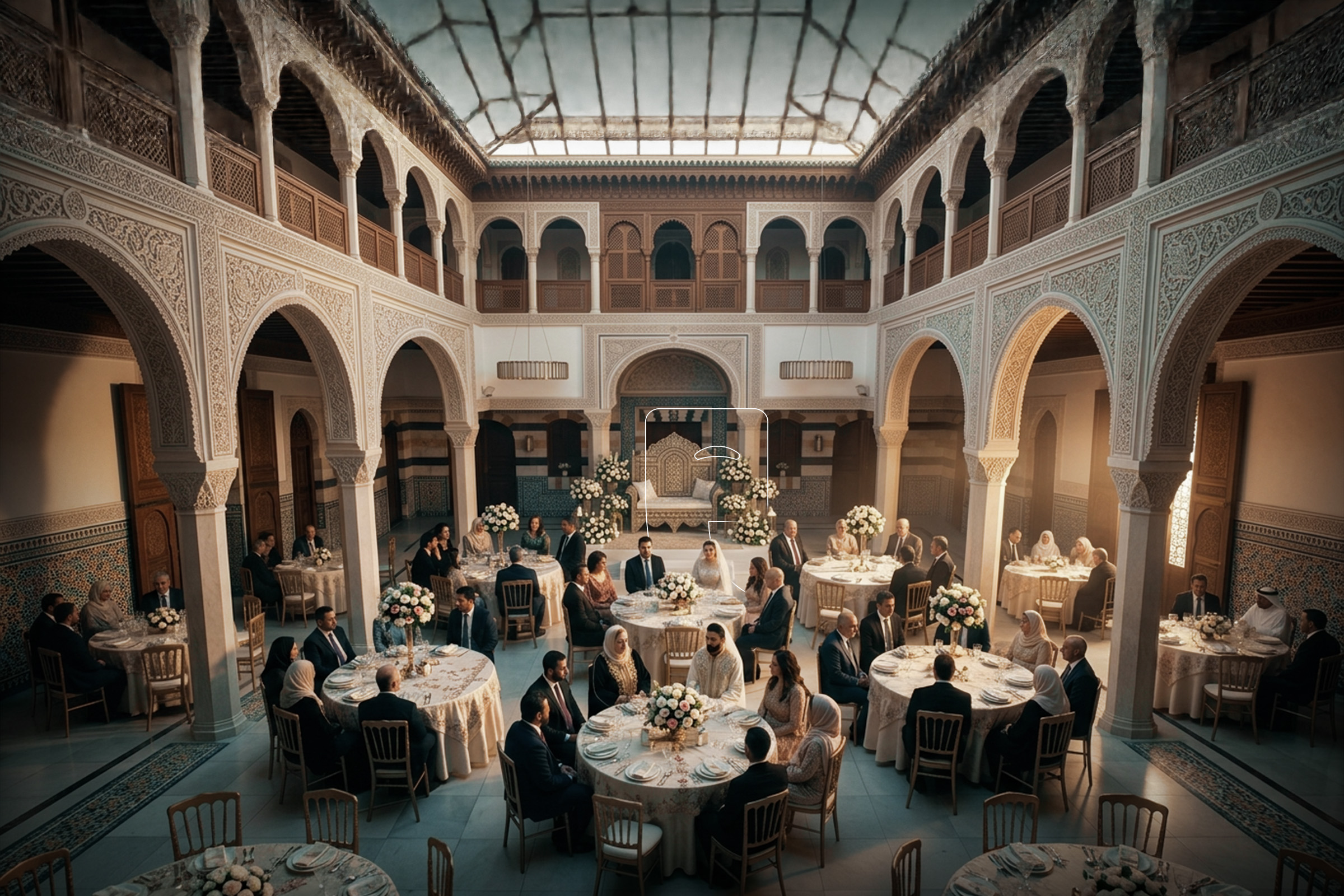
If you've ever attended a Syrian wedding, you've probably noticed that people don't simply congratulate the bride and groom.
Instead, conversations are filled with blessings, heartfelt prayers, and wishes for a happy future together.
This reflects something deeply rooted in Syrian culture.
A wedding isn't seen as a celebration for just two people. It's a joyful occasion shared by parents, grandparents, relatives, friends, neighbors, and sometimes entire communities.
That's why you'll hear expressions wishing the couple happiness, love, prosperity, and lasting companionship, not only on their wedding day, but throughout their engagement and married life.
For Arabic learners, understanding these expressions offers more than new vocabulary. It provides a window into Syrian culture and the values that shape everyday conversations.
Now let's explore the expressions you'll hear at almost every Syrian wedding.
The Most Common Syrian Wedding Expressions
1. ألف مبروك (Alf Mabrouk)
Literal Meaning
"A thousand congratulations."
What It Really Means
Simply put, it means:
"Congratulations!"
It's the expression you'll hear most often throughout a Syrian wedding, from the engagement party to the wedding reception and even long after the celebration has ended.
Whether you're congratulating the bride, the groom, or their families, Alf Mabrouk is always appropriate.
Example
ألف مبروك للعروسين.
"Congratulations to the bride and groom."1. ألف مبروك (Alf Mabrouk)
💜 Cultural Note
One thing that surprises many Arabic learners is that Syrians often combine congratulations with blessings.
Instead of saying only "Congratulations," they'll naturally continue with wishes for happiness, love, and a successful future together.
This reflects the important role that family, faith, and community play in Syrian weddings.
2. الله يهنيكن (Allah Yhannikon)
Literal Meaning
"May God grant you happiness."
What It Really Means
This is one of the warmest blessings you can offer a newly married couple.
Rather than simply congratulating them, you're wishing them a marriage filled with happiness, peace, and harmony.
It's commonly said by family members, relatives, and close friends after the wedding ceremony.
Example
الله يهنيكن ويسعدكن.
"May God bless your marriage and fill your lives with happiness."
3. الله يتمم على خير (Allah Yitimmim ʿAla Kheir)
Literal Meaning
"May everything be completed well."
What It Really Means
You'll usually hear this expression during the engagement period or while the wedding is being planned.
It's a hopeful blessing that everything, from the preparations to the wedding day itself, goes smoothly.
It's also commonly used outside weddings whenever someone is waiting for an important life event to happen.
Example
إن شاء الله الله يتمم على خير.
"Hopefully everything goes smoothly."
⭐ Pro Tip
Although many people associate this phrase with weddings, Syrians also use it before graduations, travel, moving to a new home, or any major milestone.
Understanding this broader meaning will help you recognize it in everyday conversations.
4. عقبال عندك (ʿUqbal ʿAndak)
Literal Meaning
"May it be your turn next."
What It Really Means
This playful expression is one of the most famous wedding phrases in Syrian Arabic.
After congratulating the newlyweds, people often turn to unmarried friends or relatives with a smile and say:
عقبال عندك
It's usually intended as a warm wish that they'll also find happiness in the future.
Example
عقبال عندك يا شباب.
"Hope you're next!"
⚠️ Common Mistake
Although this expression is usually meant kindly, it's best to be mindful of the situation.
Not everyone wants to talk about marriage, so native speakers often reserve it for close friends or family members where the relationship is comfortable and lighthearted.
5. بالرفاه والبنين (Bil-Rafah Wal-Baneen)
Literal Meaning
"With prosperity and children."
What It Really Means
This is one of the oldest and most traditional wedding blessings in Syrian Arabic.
It's a heartfelt wish for a happy marriage, a comfortable life together, and, traditionally, a future family.
You'll often hear it from older relatives, grandparents, or family friends who are offering their blessings to the newlyweds.
Example
بالرفاه والبنين إن شاء الله.
"Wishing you a happy, prosperous marriage and a joyful future together."
💜 Cultural Note
Traditionally, this blessing reflects the importance of family life in Syrian culture.
Today, many Syrians still use it, especially older generations. Younger speakers may choose more general blessings that focus on happiness, love, and a successful marriage rather than starting a family.
Understanding these cultural nuances helps Arabic learners recognize how traditions evolve over time while remaining rooted in respect and good wishes.
6. زواجة الدهر (Zawjet Al-Dahr)
Literal Meaning
"A marriage for a lifetime."
What It Really Means
This beautiful expression expresses the hope that the couple will enjoy a lifelong marriage built on love, commitment, and mutual support.
Rather than celebrating only the wedding day, it looks ahead to the years they'll spend building a life together.
Example
الله يجعلها زواجة الدهر.
"May it be a marriage that lasts a lifetime."
7. يا رب نفرح بولادكن (Ya Rab Nifraḥ Bi-Wladkon)
Literal Meaning
"May we celebrate your children one day."
What It Really Means
You'll sometimes hear this blessing during wedding celebrations, especially from parents, grandparents, or older relatives.
It's a loving wish that the couple will one day build a happy family together.
Although it may sound surprising to visitors, it's considered a natural expression of affection in many Syrian families.
Example
يا رب نفرح بولادكن قريب.
"May we soon celebrate your future children."
💜 Cultural Note
Family plays a central role in Syrian society, so many traditional wedding blessings naturally look beyond the wedding day itself.
Rather than focusing only on the celebration, they express hopes for the couple's future, happiness, and the family they may build together.
8. يا عيني عليكم (Ya ʿAyni ʿAlaykon)
Literal Meaning"My eye upon you."
What It Really Means
This affectionate expression is used to admire someone warmly.
At weddings, you'll often hear it when people compliment the bride, the groom, beautifully dressed guests, or even the atmosphere of the celebration.
It's a spontaneous way of saying:
"You all look wonderful."
Example
يا عيني عليكم، شو حلوين!
"You all look amazing!"
9. ما شاء الله (Mashallah)
Literal Meaning
"What God has willed."
What It Really Means
You'll hear Mashallah countless times throughout a Syrian wedding.
People say it while admiring the bride, complimenting the decorations, praising the venue, or celebrating the happiness of the couple.
Beyond admiration, it also carries the idea of expressing appreciation with humility and goodwill.
Example
ما شاء الله، العروس كتير حلوة.
"Mashallah, the bride looks beautiful."
⭐ Pro Tip
When complimenting someone's appearance, children, home, or achievements, many Syrians naturally add Mashallah after the compliment.
It's one of the most common expressions you'll hear in everyday Syrian Arabic—not only at weddings.
10. الله يديم المحبة بيناتكن (Allah Ydeem Al-Mahabba Baynatkon)
Literal Meaning"May God keep the love between you."
What It Really Means
This heartfelt blessing wishes the couple lasting love, understanding, and happiness throughout their marriage.
Rather than celebrating only the wedding itself, it focuses on the relationship they'll continue building together.
It's a beautiful way to end a congratulatory message or wedding conversation.
Example
الله يديم المحبة بيناتكن.
"May your love always remain strong."
💜 More Than Congratulations
One of the first things Arabic learners notice at a Syrian wedding is that people rarely stop at saying "Congratulations."
Instead, you'll hear blessings that wish the couple:
💜 Happiness
💜 Lasting love
💜 A peaceful home
💜 Family unity
💜 Prosperity
💜 A bright future together
These expressions reflect values that are deeply rooted in Syrian culture, where marriage is viewed as the beginning of a lifelong journey supported by family, friends, and community.
How to Congratulate Someone at a Syrian Wedding
If you're attending a Syrian wedding or congratulating Syrian friends, you don't need to memorize dozens of expressions.
These three phrases will sound natural in almost every situation.
💜 ألف مبروك (Alf Mabrouk)
The safest and most common way to say "Congratulations!"
Use it when greeting the bride, groom, or their families.
Example:
ألف مبروك!
"Congratulations!"
💜 الله يهنيكن (Allah Yhannikon)
A warm blessing wishing the couple happiness and harmony throughout their marriage.
It's especially common among family members and close friends.
Example:
الله يهنيكن ويسعدكن.
"May God bless your marriage and fill your lives with happiness."
💜 الله يديم المحبة بيناتكن (Allah Ydeem Al-Mahabba Baynatkon)
A beautiful way to wish the couple lasting love and understanding.
It's often used in cards, messages, or when saying goodbye after the celebration.
Example:
الله يديم المحبة بيناتكن.
"May your love always remain strong."
⭐ Pro Tip
When Syrians congratulate newlyweds, they often combine several blessings in the same conversation.
For example:
ألف مبروك... الله يهنيكن... الله يديم المحبة بيناتكن.
Using more than one expression sounds completely natural and makes your congratulations feel warmer and more heartfelt.
Common Mistakes Arabic Learners Make
Learning the expressions is only part of the experience. Understanding when and how to use them is just as important.
❌ Translating Every Expression Literally
Many Syrian wedding phrases don't make sense if translated word for word.
Expressions like بالرفاه والبنين or الله يهنيكن carry cultural meanings that are much richer than their literal translations.
❌ Saying Only "Mabrouk"
While Mabrouk is perfectly acceptable, Syrians often make their congratulations warmer by adding blessings and good wishes.
Learning a few extra expressions will help you sound much more natural.
❌ Assuming These Expressions Are Only Used at Weddings
Some blessings, such as الله يتمم على خير and ما شاء الله, are used in many everyday situations beyond weddings.
Recognizing them in different contexts will improve both your listening and speaking skills.
Why Wedding Expressions Help You Learn Real Syrian Arabic
Traditional Arabic textbooks usually teach formal vocabulary and standard greetings.
But weddings introduce you to the language people actually use with family and friends.
By learning these expressions, you'll do much more than expand your vocabulary.
You'll begin to understand how Syrians express love, joy, encouragement, and respect during life's most important moments.
These are the kinds of phrases you'll hear not only at weddings, but also during engagements, family gatherings, celebrations, and everyday conversations.
That's what makes them such an important part of learning authentic Syrian Arabic.
Final Thoughts
A Syrian wedding is much more than a celebration.
It's a gathering where language, family, tradition, and community come together.
The blessings you hear throughout the day aren't simply polite expressions.
They're heartfelt wishes for happiness, love, stability, and a lifetime of shared memories.
By learning these wedding expressions, you're doing more than expanding your vocabulary.
You're gaining insight into the values that shape Syrian culture and the way people celebrate life's most meaningful moments.
The next time you hear someone say:
الله يهنيكن
or
عقبال عندك
you'll understand not only what the words mean—but also the warmth, generosity, and genuine happiness behind them.
That's what makes learning Syrian Arabic so rewarding.
💜 Learn Syrian Arabic Through Real Conversations
At Speak Real Arabic, we believe that learning a language means understanding the culture behind it. That's why our lessons focus on authentic Syrian Arabic, everyday expressions, and the real conversations you'll hear in daily life.
Whether you're learning your first phrases or building fluency, you'll discover how Syrians actually speak through practical lessons, cultural insights, and real-life situations that help you communicate with confidence.
Also Read:
🌟 Syrian Wedding Vocabulary: What Everyone Is Saying at a Syrian Wedding. Read now.
🌟Start Zero to 15 Minutes, of real Arabic, without grammar stress. Explore the Course
🌟 Continue exploring Syrian Arabic through real stories, culture, and everyday conversations inside Speak Real Arabic Membership.


