
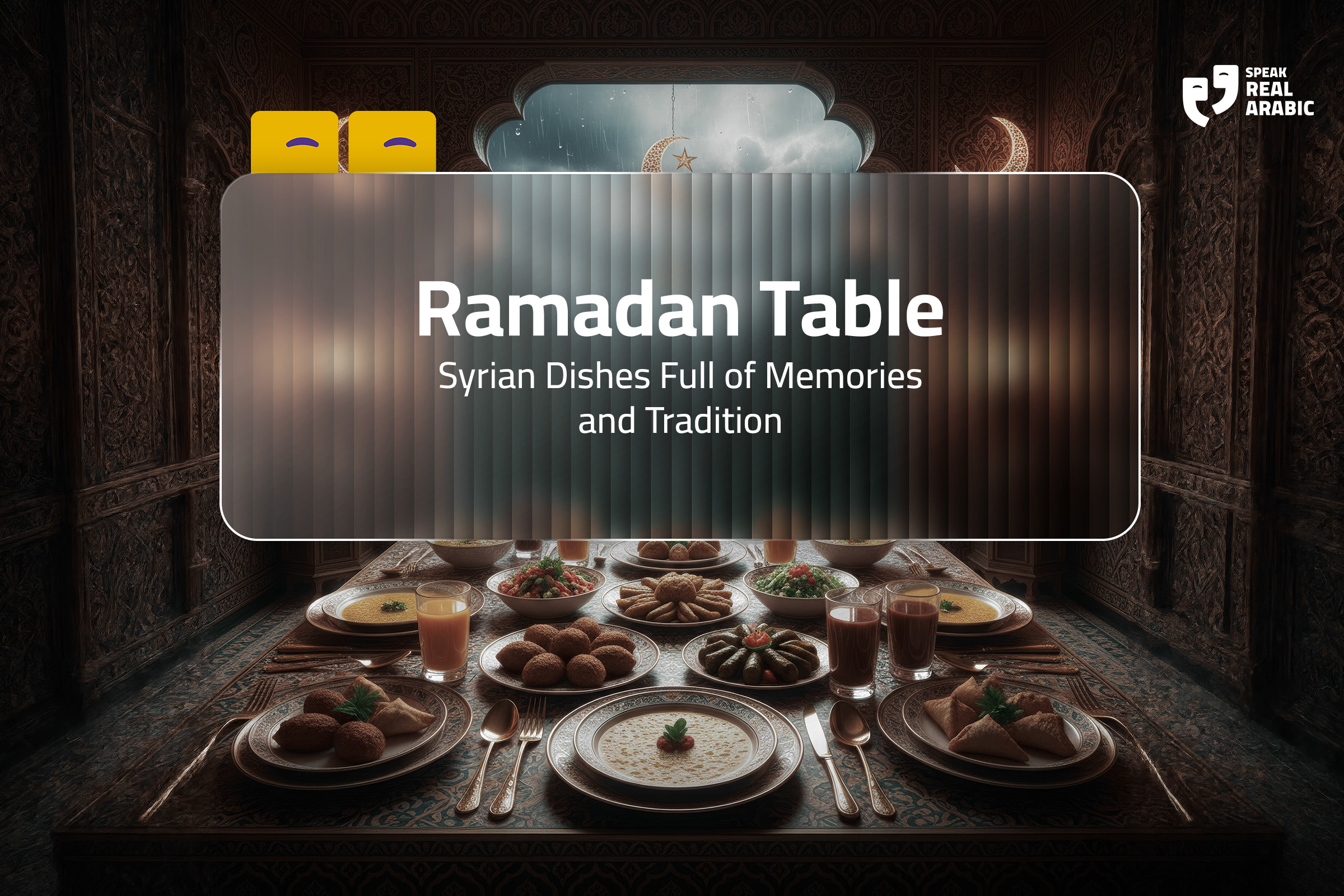
Ramadan Table: Syrian Dishes Full of Memories and Tradition
Why the Ramadan Table Matters in Syrian Culture
What Is Traditionally Served on a Syrian Ramadan Table?
3. Fresh Salads: Fattoush and Tabbouleh
4. Main Dishes: The Heart of Iftar
Syrian Ramadan Desserts: Sweetness After Sunset
Traditional Syrian Qatayef Recipe (Ramadan Favorite)
Why Qatayef Is Special During Ramadan
The Emotional Meaning Behind the Syrian Ramadan Table
Frequently Asked Questions About the Syrian Ramadan Table
What food is traditionally served on a Syrian Ramadan table?
What is the most popular Syrian dish during Ramadan?
Why is the Ramadan table important in Syrian culture?
Ramadan in Syria is more than a month of fasting. It is a season of gathering, generosity, and deep-rooted tradition.
The Syrian Ramadan table is not just about food. It is about memory, identity, and connection. Every dish placed on the table carries a story passed down through generations.
From the first date eaten at sunset to the last piece of dessert shared late at night, the Syrian Iftar table reflects warmth, hospitality, and culture.
In this guide, we explore traditional Syrian Ramadan dishes and the meaning behind them.
Why the Ramadan Table Matters in Syrian Culture
In Syrian homes, Iftar is a daily reunion.
🟣 Families gather before sunset.
🟣 Neighbors exchange plates.
🟣 Children help set the table.
Food during Ramadan is intentional. It restores energy after fasting, but it also strengthens relationships.
The Syrian Ramadan table represents:
🟣 Family unity
🟣 Generosity
🟣 Cultural identity
🟣 Faith and gratitude
Even Syrians living abroad recreate these dishes to feel closer to home.
What Is Traditionally Served on a Syrian Ramadan Table?
A traditional Syrian Ramadan table follows a rhythm. It begins light and slowly becomes abundant.
1. Dates and Water

Like many Muslim cultures, Syrians break their fast with dates and water. It gently prepares the body after a long day of fasting.
2. Lentil Soup (Shorbat Adas)

Lentil soup is a staple of Syrian Ramadan.
Warm, simple, and nourishing, it is often the first cooked dish served at Iftar. Its smooth texture makes it easy on the stomach.
3. Fresh Salads: Fattoush and Tabbouleh

Fresh salads balance the meal.
⭐ Fattoush adds crunch and tangy flavor.
⭐ Tabbouleh brings freshness with parsley, lemon, and bulgur.
These dishes reflect the Mediterranean roots of Syrian cuisine.
4. Main Dishes: The Heart of Iftar

The main course is where the Syrian Ramadan table becomes rich and celebratory.
Common Syrian Ramadan dishes include:
⭐ Kibbeh (fried or baked)
⭐ Mahshi (stuffed zucchini or eggplant)
⭐ Yalanji (stuffed grape leaves)
⭐ Sambousek (savory pastries filled with cheese or meat)
⭐ Rice with green peas
These dishes are often prepared together during the day, turning cooking into a family ritual.
5. Traditional Ramadan Drinks 🍹

No Syrian Ramadan table is complete without its iconic drinks:
✔ Tamarind juice
✔ Jallab
✔ Erk Sous (licorice drink)
These drinks are strongly associated with Ramadan and instantly evoke nostalgia.
Syrian Ramadan Desserts: Sweetness After Sunset 🍰

After evening prayers, dessert is served.
Favorites include:
✔ Qatayef
✔ Knafeh
✔ Baklava
Among them, Qatayef stands out as the true symbol of Ramadan in Syria.
Traditional Syrian Qatayef Recipe (Ramadan Favorite) 🥞

Qatayef is one of the most iconic Syrian Ramadan desserts. Soft, lightly crisp on one side, and filled with cream or crushed nuts, it appears almost exclusively during the holy month.
Here is a traditional version you can prepare at home.
Ingredients
2 cups all-purpose flour
1 teaspoon instant yeast
1 tablespoon sugar
1½ cups warm water
½ teaspoon baking powder
Cream (ashta) or crushed walnuts for filling
Sugar syrup with lemon juice
Instructions
Mix flour, yeast, sugar, and baking powder in a bowl.
Gradually add warm water while whisking until smooth and lump-free.
Let the batter rest for 30 minutes.
Heat a non-stick pan over medium heat.
Pour small circles of batter onto the pan (like mini pancakes).
Cook on one side only until bubbles form and the surface dries. Do not flip.
Remove and let cool under a cloth.
Fill each pancake with cream or nuts.
Fold in half and gently seal the edges.
Drizzle with syrup before serving.
Preparation Time
Prep time: 30 minutes
Cook time: 15 minutes
Total time: 45 minutes
Servings: 6
Why Qatayef Is Special During Ramadan
Qatayef is more than a dessert. It is a signal that Ramadan has begun.
For many Syrians, the smell of Qatayef cooking brings back childhood memories, late-night gatherings, and the joy of shared meals.
It is sweetness tied to faith and family.
The Emotional Meaning Behind the Syrian Ramadan Table
What makes the Syrian Ramadan table powerful is not abundance alone.
It is the way food is shared.

⭐ Plates move across the table: “Jarrbi hal-kibbeh.” جربي هالكبة
⭐ Guests are welcomed warmly: “Ahlan w sahlan.” أهلاً وسهلاً
⭐ Second servings are insisted upon: “Kul, kul!” كول، كول، “Wallah ma akalti shi!” والله ما أكلتي شي
The Ramadan table becomes a space for storytelling, forgiveness, and reconnection.
Final Thoughts
The Syrian Ramadan table is not just a collection of dishes.
🟣 It is tradition served daily.
🟣 It is culture expressed through food.
🟣It is belonging made visible.
To understand Syrian culture, you begin at the table.
Frequently Asked Questions About the Syrian Ramadan Table
🟡 What food is traditionally served on a Syrian Ramadan table?
A Syrian Ramadan table includes lentil soup, fattoush, kibbeh, stuffed vegetables, sambousek, traditional drinks like tamarind juice, and desserts such as qatayef.
🟡 What is the most popular Syrian dish during Ramadan?
Qatayef is one of the most iconic Syrian Ramadan desserts, while lentil soup and kibbeh are staple dishes during Iftar.
🟡 Why is the Ramadan table important in Syrian culture?
It represents family unity, generosity, hospitality, and traditions passed through generations.
🟡 What drinks are popular in Syria during Ramadan?
Traditional Ramadan drinks include tamarind juice, jallab, and licorice drink (erk sous).
Want to Experience More Syrian Culture?
If you’re curious about Syrian traditions, spoken Levantine Arabic, and the cultural stories behind everyday life, explore more guides inside Speak Real Arabic.
Because language, like food, connects people.
Also Read:
🌟 Join the VIP Membership and experience Arabic the way it’s truly lived.
🌟 Start Zero to 15 Minutes, of real Arabic, without grammar stress,Explore the Course
🌟 Just like a book fair, real Arabic is lived through moments, a philosophy reflected inThe Syrian Encounters.


