A Practical Guide to Spoken Syrian Arabic: 20 Everyday Expressions
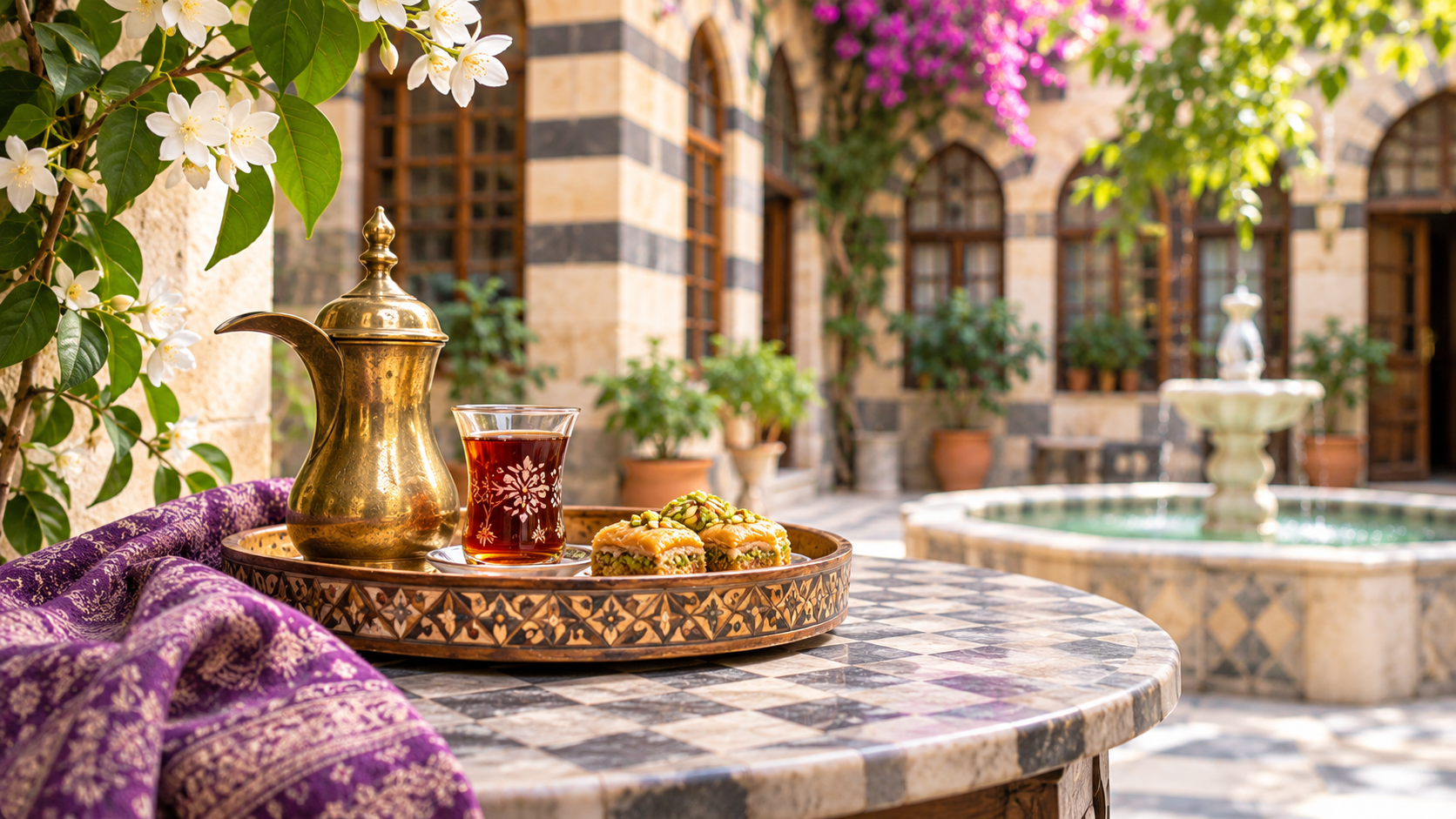
Learn 20 authentic Syrian Arabic expressions with easy Arabizi pronunciation, English meanings, and real-life examples. Discover how Syrians actually speak in everyday conversations.
Learning Syrian Arabic isn't just about memorizing words. It's about understanding how people greet each other, express kindness, ask questions, and connect in everyday life.
Unlike Modern Standard Arabic (MSA), which is commonly used in formal writing and news, spoken Syrian Arabic is the language you'll hear in homes, cafés, markets, and conversations with friends.
Throughout this guide, you'll explore natural expressions, discover when to use them, and learn the cultural details that make Syrian Arabic so expressive.
1. Everyday Syrian Arabic Greetings and Introductions
1. مرحبا — Mar7aba (Hello)
Meaning: Hello
When to use it: Mar7aba is a friendly greeting used in everyday Syrian conversations.
Real-life example:
مرحبا، كيفك؟
Mar7aba, keefak?
Hello, how are you?
Cultural note: You may hear Mar7abteen (مرحبتين) as a warm response.
2. كيفك؟ — Keefak / Keefek (How Are You?)
Meaning: How are you?
When to use it: One of the most common greetings in everyday Syrian Arabic. Say Keefak? when speaking to a man and Keefek? when speaking to a woman.
Real-life example:
كيفك اليوم؟
Keefak el-yom?
How are you today? (speaking to a man)
Cultural note: Syrians often respond with Mnee7, el-7amdella (منيح، الحمد لله), meaning “I'm good, thank God.”
3. أهلين — Ahleen (Hi / Welcome)
Meaning: Hi / Welcome
When to use it: Ahleen is a warm, friendly greeting commonly used in everyday Syrian Arabic. You can say it when meeting someone, welcoming a guest, or responding to a greeting.
Real-life example:
A: مرحبا، كيفك؟
Mar7aba, keefak?
Hello, how are you?
B: أهلين! الحمد لله، منيح. وإنت؟
Ahleen! El-7amdella, mnee7. W enta?
Hi! Thank God, I'm good. And you?
Cultural note: In Syrian culture, greetings are often warm and personal. You may also hear Ahleen w sahleen (أهلين وسهلين), especially when welcoming someone into your home or shop. It's a friendly way to make people feel welcome.
4. شو الأخبار؟ — Sho el-akhbar? (What's New? / How's It Going?)
Meaning: What's new? / How's it going?
When to use it: Sho el-akhbar? is a casual, friendly expression Syrians use to ask how someone is doing or what's happening in their life. It's especially common between friends, relatives, and people who know each other.
Real-life example:
A: أهلين! شو الأخبار؟
Ahleen! Sho el-akhbar?
Hey! What's new?
B: والله ما في شي جديد، الحمد لله.
Wallah ma fee shi jdeed, el-7amdella.
Nothing new, thank God.
Cultural note: Although Akhbar literally means “news,” Syrians don't necessarily expect actual news when they ask Sho el-akhbar? It's often just a friendly way to start a conversation. A common response is Ma fee shi jdeed (ما في شي جديد), meaning “Nothing new.”
2. Everyday Syrian Arabic Conversations
5. شو عم تعمل؟ — Sho 3am te3mel? (What Are You Doing?)
Meaning: What are you doing?
When to use it: Sho 3am te3mel? is a common expression used to ask someone what they're doing right now. Say Sho 3am te3mel? when speaking to a man and Sho 3am te3mle? when speaking to a woman.
Real-life example:
A: شو عم تعمل هلأ؟
Sho 3am te3mel halla2?
What are you doing right now?
B: عم حضّر قهوة.
3am 7adder ahwe.
I'm making coffee.
Cultural note: In spoken Syrian Arabic, 3am (عم) is commonly used before a verb to talk about an action happening right now. It's one of the most useful patterns for everyday conversations.
6. وينك؟ — Waynak / Waynek (Where Are You?)
Meaning: Where are you?
When to use it: Waynak? is a very common question in everyday Syrian Arabic. You can use it to ask someone's location or, in a friendly tone, to ask where they've been. Say Waynak? to a man and Waynek? to a woman.
Real-life example:
A: وينك؟ صرلي ساعة ناطرك!
Waynak? Sarli sa3a natrek!
Where are you? I've been waiting for you for an hour!
B: بالطريق، جاي هلأ.
Bel-taree2, jayi halla2.
I'm on my way. I'll be there soon.
Cultural note: Syrians sometimes say Waynak hal-ghaybe? (وينك هالغيبة؟) when they haven't seen someone for a while. It means something like “Where have you been all this time?” and often expresses affection rather than a literal question about location.
7. شو في ما في؟ — Sho fee ma fee? (What's Going On?)
Meaning: What's going on? / What's new?
When to use it: Sho fee ma fee? is a casual Syrian expression used to ask someone what's happening or whether there's anything new. It's especially natural between friends and family.
Real-life example:
A: أهلين! شو في ما في؟
Ahleen! Sho fee ma fee?
Hey! What's going on?
B: والله ما في شي جديد، كل شي تمام.
Wallah ma fee shi jdeed, kell shi tamam.
Nothing new, everything's fine.
Cultural note: The expression literally combines Sho fee? (شو في؟ — What is there?) and Ma fee (ما في — There isn't). Together, they form a natural conversational phrase, not a question that should be translated word for word.
8. يلا — Yalla (Let's Go / Come On)
Meaning: Let's go / Come on / Hurry up
When to use it: Yalla is one of the most common words in everyday Syrian Arabic. Syrians use it to encourage someone, suggest leaving, hurry things along, or move a conversation forward.
Real-life example:
A: يلا، تأخرنا!
Yalla, ta2akharna!
Come on, we're late!
B: طيب، يلا نمشي.
Tayyeb, yalla nemshi.
Okay, let's go.
Cultural note: The meaning of Yalla changes with tone and context. It can sound encouraging, playful, impatient, or friendly. You'll also hear Yalla, bye! when Syrians end a phone call or say goodbye.
Want to learn more? Explore 10 real-life meanings of Yalla in Syrian Arabic.
3. Syrian Arabic Expressions for Politeness and Kindness
9. يسلمو — Yislamo (Thanks)
Meaning: Thanks / Thank you
When to use it: Yislamo is a warm, informal way to thank someone in everyday Syrian Arabic. You can use it when someone helps you, brings you something, or does you a small favor.
Real-life example:
A: تفضّل، هاي قهوتك.
TfaDDal, hay ahwetak.
Here you go, here's your coffee.
B: يسلمو كتير!
Yislamo kteer!
Thanks a lot!
Cultural note: Yislamo expresses more than simple gratitude. It carries a warm wish for someone's well-being. You may also hear Yislamo eedek (يسلمو إيديك), especially when thanking someone for preparing food.
10. يعطيك العافية — Ya3teek el-3afye (May You Be Given Strength)
Meaning: May God give you health and strength / Thank you for your efforts
When to use it: Ya3teek el-3afye is a common Syrian expression used to acknowledge someone's work or effort. You can say it to a shopkeeper, a colleague, a teacher, or someone preparing a meal.
Real-life example:
A: يعطيك العافية، كتير تعبت اليوم.
Ya3teek el-3afye, kteer te3ebt el-yom.
Thank you for your hard work. You've worked really hard today.
B: الله يعافيك.
Allah y3afeek.
May God give you good health too.
Cultural note: This expression is deeply rooted in Syrian culture. It shows appreciation and respect for someone's effort, even when they haven't done anything specifically for you. A common response is Allah y3afeek (الله يعافيك).
11. الله يخليك — Allah ykhalleek (Please / May God Protect You)
Meaning: Please / May God preserve you
When to use it: Allah ykhalleek is a warm and polite expression used when asking for a favor, expressing gratitude, or showing affection. It makes requests sound softer and more personal.
Real-life example:
A: الله يخليك، ناولني المي.
Allah ykhalleek, nawelni el-mayy.
Please, pass me the water.
B: تكرم عينك.
Tekram 3aynak.
Of course, with pleasure.
Cultural note: Although this expression includes a reference to God, it is also widely used as an everyday social expression. In Syrian Arabic, wishes and blessings often make ordinary conversations feel warmer and more personal.
12. تكرم عينك — Tekram 3aynak / 3aynek (With Pleasure)
Meaning: With pleasure / Of course / Anything for you
When to use it: Tekram 3aynak is a friendly Syrian expression used when agreeing to help someone or fulfill a request. Say Tekram 3aynak when speaking to a man and Tekram 3aynek when speaking to a woman.
Real-life example:
A: فيك تساعدني شوي؟
Feek tsa3edni shway?
Can you help me for a moment?
B: تكرم عينك، أكيد!
Tekram 3aynak, akeed!
Of course, with pleasure!
Cultural note: This expression reflects the generosity and hospitality often found in Syrian culture. Rather than simply saying “yes,” Syrians use it to show that they are happy to help. You may also hear the shorter version Tekram (تكرم).
4. Syrian Arabic Expressions for Feelings and Reactions
13. عنجد؟ — 3anjad? (Really? / Seriously?)
Meaning: Really? / Seriously?
When to use it: 3anjad? is a common expression in spoken Syrian Arabic used to show surprise, excitement, disbelief, or genuine interest in what someone is saying.
Real-life example:
A: نجحت بالامتحان!
Nje7et bel-emti7an!
I passed the exam!
B: عنجد؟ ألف مبروك!
3anjad? Alf mabrook!
Really? Congratulations!
Cultural note: The meaning of 3anjad changes depending on your tone of voice. As a question, it expresses surprise or disbelief. You can also use it in a statement, such as 3anjad kteer 7elo (عنجد كتير حلو), meaning “It's really beautiful.”
14. معقول؟ — Ma32ool? (Is That Possible? / Really?)
Meaning: Is that possible? / Really? / No way!
When to use it: Ma32ool? is used in everyday Syrian conversations to express disbelief, surprise, or doubt when hearing something unexpected.
Real-life example:
A: هالفستان حقّه مية دولار.
Hal-fostan 7a22o miyye dollar.
This dress costs a hundred dollars.
B: معقول؟ كتير غالي!
Ma32ool? Kteer ghali!
Seriously? That's so expensive!
Cultural note: While both 3anjad? and Ma32ool? can express surprise, Ma32ool? often suggests stronger disbelief or doubt. It's especially useful when reacting to unexpected news, prices, or situations.
15. مو مشكلة — Moo meshkle (No Problem)
Meaning: No problem / It's okay
When to use it: Moo meshkle is a reassuring expression used when someone apologizes, makes a small mistake, or worries about causing inconvenience.
Real-life example:
A: آسف، تأخرت عليك.
Aasef, ta2akhkharet 3aleek.
Sorry I'm late.
B: مو مشكلة، ولا يهمك.
Moo meshkle, wala yhemmak.
No problem, don't worry about it.
Cultural note: Syrians often combine Moo meshkle with Wala yhemmak (ولا يهمك), meaning “Don't worry about it.” Together, these expressions make the response sound warmer and more reassuring.
16. يا حرام — Ya 7aram (Poor Thing / What a Shame)
Meaning: Poor thing / That's so sad / What a shame
When to use it: Ya 7aram is a common Syrian Arabic expression used to show sympathy, compassion, or concern when someone experiences something unfortunate.
Real-life example:
A: البسّة ضلّت طول الليل بالبرد.
El-bisse Dallet Tool el-leel bel-bared.
The cat stayed out in the cold all night.
B: يا حرام! لازم نساعدها.
Ya 7aram! Lazem nsa3eda.
Poor thing! We should help her.
Cultural note: Although the word 7aram (حرام) can mean “forbidden” in religious contexts, Ya 7aram has a different meaning in everyday Syrian conversations. It usually expresses sympathy or compassion rather than a religious judgment.
5. Useful Syrian Arabic Expressions for Daily Life
17. خلص — Khalas (Enough / Done / That's It)
Meaning: Enough / Done / That's it
When to use it: Khalas is one of the most versatile expressions in everyday Syrian Arabic. It can be used to end a discussion, confirm a decision, or tell someone that something is enough.
Real-life example:
A: بدك قهوة كمان؟
Baddak ahwe kaman?
Would you like some more coffee?
B: لا، خلص، يسلمو.
La2, khalas, yislamo.
No, that's enough, thanks.
Cultural note: Just like Yalla, Khalas changes meaning depending on the situation and tone of voice. It can express agreement, completion, or impatience. For example, Khalas, ettafa2na (خلص، اتفقنا) means “Okay, it's settled.”
18. معلش — Ma3lesh (It's Okay / Never Mind)
Meaning: It's okay / Never mind / Don't worry
When to use it: Ma3lesh is a common Syrian Arabic expression used to reassure someone, accept a small mistake, or make an uncomfortable situation feel less serious. It can also soften a request or an apology.
Real-life example:
A: آسف، نسيت جيب الكتاب.
Aasef, nseet jeeb el-ktab.
Sorry, I forgot to bring the book.
B: معلش، جيبو بكرا.
Ma3lesh, jeebo bokra.
It's okay, bring it tomorrow.
Cultural note: Ma3lesh is often used to express patience and understanding. Depending on the context, it can also introduce a polite request, such as Ma3lesh, feeni es2alak so2al? (معلش، فيني اسألك سؤال؟), meaning “Excuse me, can I ask you a question?”
19. هلأ — Halla2 (Now / Right Now)
Meaning: Now / Right now
When to use it: Halla2 is the natural way to say “now” in spoken Syrian Arabic. You'll hear it when people talk about their plans, current activities, or things they're about to do.
Real-life example:
A: إيمتى رح تجي؟
Emta ra7 teji?
When are you coming?
B: هلأ جاي.
Halla2 jay.
I'm coming now.
Cultural note: Unlike Modern Standard Arabic, which uses Al-aan (الآن), Syrians naturally use Halla2 in everyday conversations. Depending on the situation, it can mean “right now” or “in a moment.” The number 2 in Arabizi represents the glottal stop you'll hear in Damascene pronunciation.
20. على مهلك — ala mahlak / mahlek (Take Your Time)
Meaning: Take your time / Slow down / No rush
When to use it: ala mahlak is a friendly Syrian expression used to tell someone not to hurry or to do something more slowly. Say ala mahlak when speaking to a man and ala mahlek when speaking to a woman.
Real-life example:
A: دقيقة، هلأ بخلص.
Da2ee2a, halla2 bekhlas.
One minute, I'm almost done.
B: على مهلك، مو مستعجلين.
Ala mahlak, moo mesta3jleen.
Take your time, we're not in a hurry.
Cultural note: This expression can communicate patience, kindness, or concern. Syrians also use it when asking someone to walk, drive, or speak more slowly. As an Arabic learner, you can say Feek te7ki ala mahlak? (فيك تحكي على مهلك؟), meaning “Can you speak more slowly?”
Start Speaking Syrian Arabic with Confidence
Learning these 20 everyday Syrian Arabic expressions is a great first step toward speaking naturally and confidently.
Start by choosing a few expressions and using them in real conversations. Pay attention to pronunciation, tone of voice, and cultural context, these are what bring spoken Syrian Arabic to life.
At Speak Real Arabic, we help you go beyond memorizing vocabulary and discover the language Syrians actually use in everyday life.
Get Your Free Syrian Arabic Pocket Guide
Take your Syrian Arabic learning beyond this page! Download your free Pocket Guide with authentic everyday expressions, easy pronunciation, and practical examples to help you speak with confidence.
Ready to Speak Real Syrian Arabic?
Turn these everyday expressions into real conversations with practical Syrian Arabic lessons designed for beginners.
Real Arabic. Real conversations. Real connections.